
How Gaming Actually Helps Students Learn, Build Skills, and Think Faster
By Alex╺
- PS4
- PS5
- XBox One
- Series X
- PC
For years, gaming sat in the same category as procrastination. People assumed students only played to avoid studying. That idea never made sense.
Most modern games are dsigned as complex systems, not mere mindless entertainment. They force players to analyze data, work under pressure, learn patterns, and make strategic decisions more quickly than a classroom ever could.
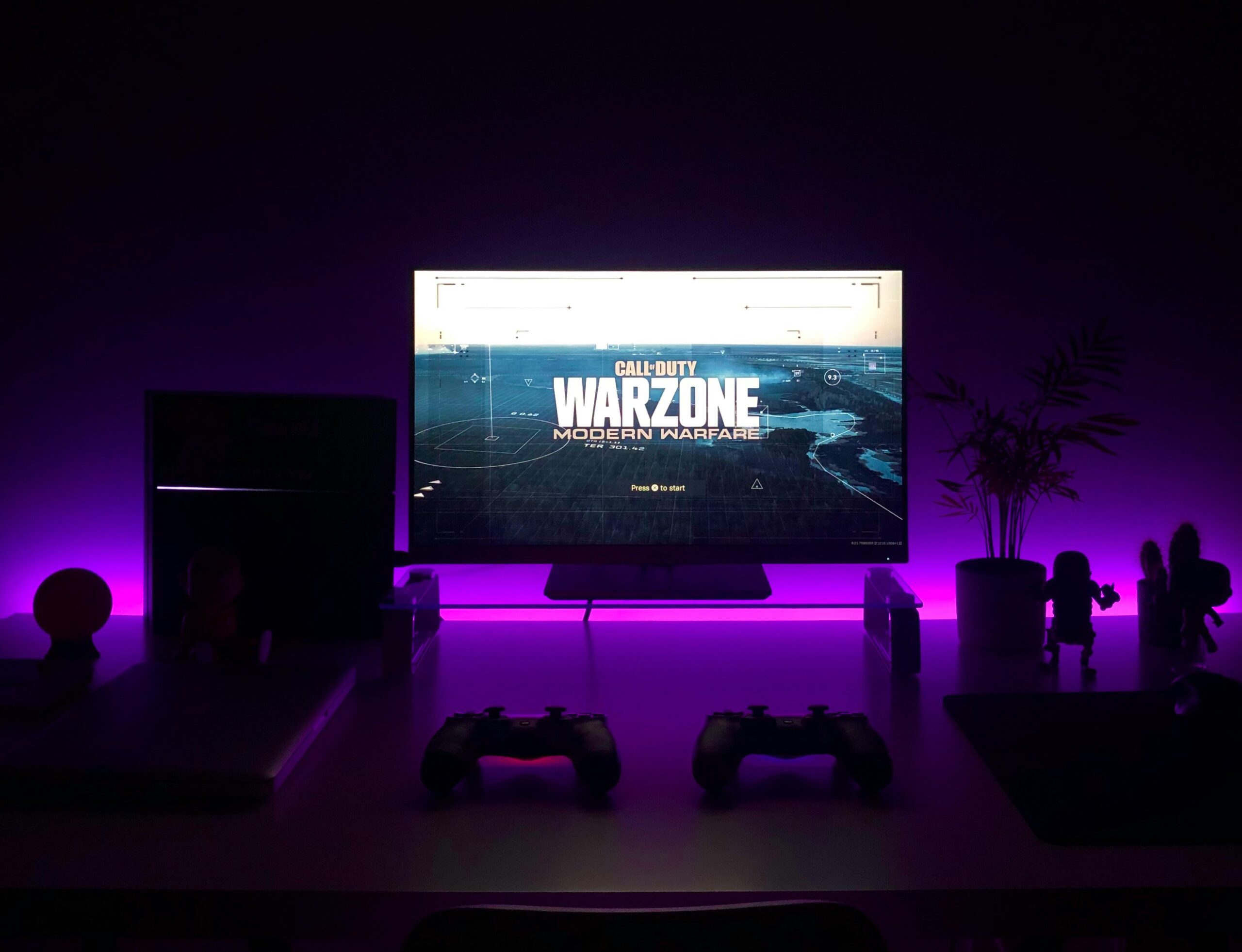
If you’ve spent nights grinding through difficult levels or surviving ranked matches, you already know gaming teaches you to adjust, experiment, and problem-solve.
That matters as much in a lecture hall as it does in a match lobby. When academic deadlines feel overwhelming, many students juggle both hobbies and coursework by setting priorities.
Some even turn to help from a human writer to write my essay so they can finish assignments and still have time to play with friends. Gaming doesn’t replace studying – it can sit alongside it when balanced well.
What people often miss is that gaming builds skills you don’t easily learn from textbooks. It’s not about escaping real life. It’s about practicing complex thinking in a fast environment that constantly pushes you to improve.
Fast Decision-Making Under Pressure
Competitive games create a constant flow of information. You’re tracking enemy positions, cooldowns, map rotations, resources, and team strategies at once. That’s not “reaction time” – it’s multi-layered processing. Students who play games requiring split-second choices often build faster cognitive mechanisms for handling stress.
Think about:
- calling strategies in Valorant based on econ, map control, and timing
- adapting builds in League of Legends, depending on matchup patterns
- rerouting mid-match in Rocket League when teammates switch formations
This kind of fast analysis mirrors real academic challenges: timed exams, coding errors during hackathons, data interpretation in research, and even debate teams.
It’s no coincidence that many engineering and architecture students gravitate toward games with simulations, resource constraints, or tactical mechanics.
Systems Thinking Through Game Design
Plenty of games function like tiny ecosystems. They reward efficiency, not brute force. You learn to optimize systems, balance resources, and design workflows – skills found in economics and software engineering more than casual play.
Examples aren’t generic:
- Factorio: trains modular logic, automation pipelines, and network flow.
- Dyson Sphere Program: teaches planetary-scale resource balancing.
- Oxygen Not Included: forces players to manage physics, gases, heat transfer, and AI behavior.
- Cities: Skylines II pushes urban planning logic that mirrors real infrastructure constraints.
A student studying mechanical engineering or urban design may unintentionally learn more about energy grids through simulation games than from a dense reading assignment.
As Ryan Acton, a researcher and editor at the essay writing service EssayHub, often points out, students learn deeply when systems respond to their choices rather than presenting them with static theory.
Social Skills Through Cooperative Play
Not every student enjoys group projects. That doesn’t mean they can’t work with others – it often means school collaboration lacks shared goals or meaningful stakes. Games solve this by giving players a genuine reason to coordinate.
In co-op games, success depends on communication styles that actually work:
- calling rotations in MOBAs without micromanaging
- adapting to a raid leader’s plan even when personal strategy differs
- negotiating trades and alliances in resource-driven strategy games
- assigning roles based on player strengths, not grades
These situations build leadership habits without forcing students into stiff academic formats.
Games Build Grit, Not Just Skill
Games rarely reward players immediately. You’ll fail a boss twenty times, queue into matches where your team collapses, or lose progress because you miscalculated resources. You keep going because improvement feels visible and earned.
That cycle mirrors academic persistence better than forced lecture engagement. Students learn to iterate – not complain. A lab report or architecture portfolio can benefit from the same resilience you build grinding seasonal ranks.
Creativity and Worldbuilding
Schools rarely let students invent full systems from scratch. Games constantly do. Modding communities, fan-made worlds, scripting-based automation and custom content all blend engineering, art, music, and writing into one space.
Minecraft modders learn Lua and Java before they ever take a CS course. Stardew players min-max layouts that mirror agricultural science. And role-players draft full narratives longer than short-story assignments.
The flow state that comes from creative play fuels academic confidence. When students internalize the feeling of producing something complete, writing essays or coding projects no longer feel impossible.
When Games and Academics Overlap

Some students build careers from skills gaming introduced:
- UX research from accessibility modding
- esports analytics from watching match data
- cybersecurity interest from sandbox environments
- architecture from voxel design
- behavioral science from meta-strategy observation
Forget the idea of just “majoring in your favorite game.” What it really means is that your brain is already getting a killer workout on key cognitive effects – fast problem-solving, planning out strategies, making quick decisions, and improving your hand-eye coordination.
You’re doing this in a fun, high-energy environment with tons of practice. This mental training translates directly to being ready for tough academic work, even if the class has nothing to do with video games.
The skills you sharpen while gaming aren’t just for downtime. They’re a serious kind of applied learning that builds the mental speed and readiness you need for college and today’s fast-moving career landscape.
How to Use Gaming as a Tool Instead of a Distraction
The goal isn’t to justify playing all night. It’s to use gaming intentionally.
Try this simple structure:
- Play hard after finishing priority tasks, not before.
- Choose games that stimulate the skills you want to grow.
- Track how long you play instead of losing days to queues.
- Use breaks between matches as study sprints.
Gaming becomes a reward cycle that reinforces work instead of delaying it.
Final Thoughts
Gaming isn’t a waste of time – it’s a complex environment that builds decision-making, strategy, systems thinking, creativity, and social intelligence. It gives students a space to test ideas quickly and fail safely. When balanced, it becomes training for academic life rather than a competitor to it.
So play when it adds to your life, take breaks when needed, and use your time wisely. If the semester becomes overwhelming, support is available.
Gaming isn’t the opposite of achievement. It’s practice for it.
