
The Shift Toward Cross-Platform Live-Service Games in Player Count Data
By Alex╺
- PS4
- PS5
- XBox One
- Series X
- PC
Player count data has become one of the clearest ways to understand how modern games live or die. In 2026, raw sales numbers matter less than active users, peak concurrency, and how long players keep coming back.
Live-service titles dominate these conversations, not because they launch bigger, but because they stay relevant longer.

What’s changed most is how and where people play. Sessions are no longer tied to a single screen or a single time of day.
The data now reflects fragmented habits stitched together by persistent accounts, shared progression, and constant content updates.
Cross-Platform Player Count Growth
Entertainment time is increasingly split across different digital platforms, from streaming services to competitive games and casual mobile experiences. In the UK market, leisure choices can also include things like UK online slots alongside traditional gaming, creating real competition for attention.
That makes frictionless access a decisive factor, especially for live-service games trying to protect daily and weekly active users. When switching devices is easy, players are more likely to stay within the same ecosystem.
Cross-platform support has shifted from a “nice to have” feature to a measurable driver of player count growth. Games that allow players to move seamlessly between console, PC, and mobile see more consistent activity across the day.
Morning mobile sessions and evening console play now feed into the same concurrency curve. Again taking casinos as an example, players can seamlessly access their accounts from a phone, tablet, or desktop, and find their account balance the same across all devices.
This isn’t just anecdotal. Data from the cross-platform adoption report shows that around 50% of gamers globally played across multiple platforms in 2025.
That scale matters because it expands the window in which players can log in, smoothing out peaks and raising average concurrent users.
The effect is especially visible during live events and limited-time modes. Instead of sharp spikes followed by rapid drop-offs, cross-platform titles show broader, longer-lasting peaks. From a player count perspective, that stability is often more valuable than a single record-breaking hour.
Retention Patterns In Live-Service Games
Retention curves tell a deeper story than peak numbers alone. Many live-service launches still attract huge audiences in their first week, but the drop-off after day 30 remains brutal for single-platform games. Cross-platform progression changes that curve by reducing reasons to churn.
Research highlighted by PlayerCounter indicates that games offering cross-platform features deliver 45% higher engagement retention within the first 30 days. Players aren’t forced to choose between devices, which keeps streaks alive and habits intact.
At the same time, market saturation is reshaping business models. Free-to-play live services still dominate playtime, but publishers are quietly shifting toward hybrid or premium long-tail approaches.
Battle passes, expansion-style updates, and optional subscriptions are replacing pure cosmetic grinds as teams focus on fewer, more committed players rather than chasing endless growth.
Regional Differences In Engagement Data
Regional player data shows how infrastructure and habits shape engagement. In Europe, strong console penetration and stable broadband support longer evening sessions, while mobile play fills gaps during commutes and breaks. That blend favours games with shared progression and unified matchmaking pools.
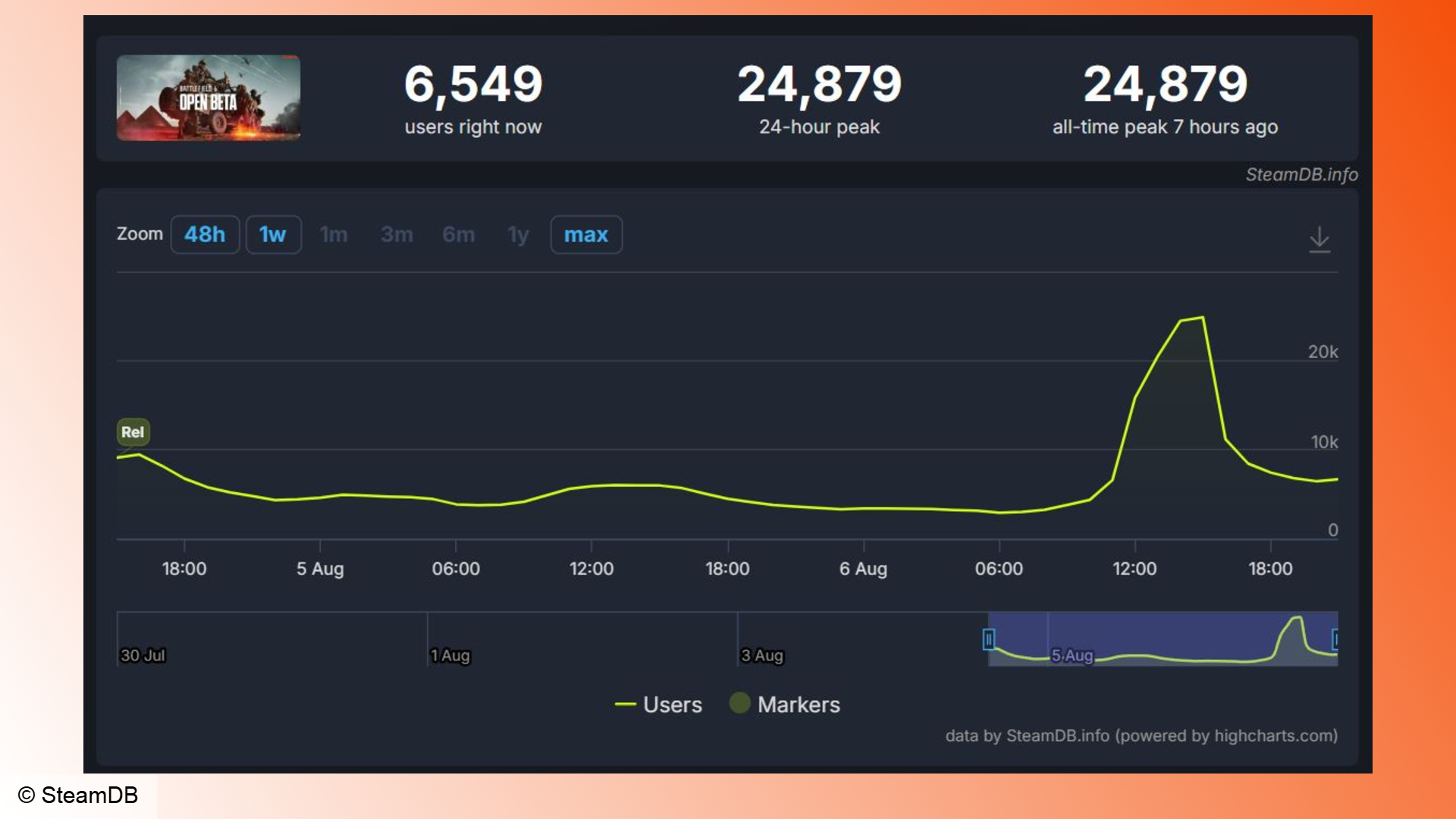
On PC, the scale is undeniable. Steam reached a record peak of 41.66 million concurrent users in October last year. Yet even numbers that large don’t guarantee longevity for individual titles without regular updates and cross-platform accessibility.
The takeaway from regional data isn’t that one platform wins. It’s that the most resilient live-service games adapt to local play patterns while feeding into a global player base. Cross-play ensures those regional peaks reinforce each other instead of existing in isolation.
