
Why Gen Z Treats Slots Like Mini-Games
By Alex╺
- PS4
- PS5
- XBox One
- Series X
- PC
If you spend time on any video gaming forums these days, you’ll notice a big increase in the number of younger users talking about online slots with the same curiosity they once held for Roblox or Fortnite.
They often discuss slot mechanics, volatility, and bonus features for slots in the same way they do for checking patch notes or server status for their favourite video games.
For Gen Z especially, online slots are increasingly seen as a type of short-form, interactive mini game. This is part of a broader cultural change in how people are consuming entertainment these days.
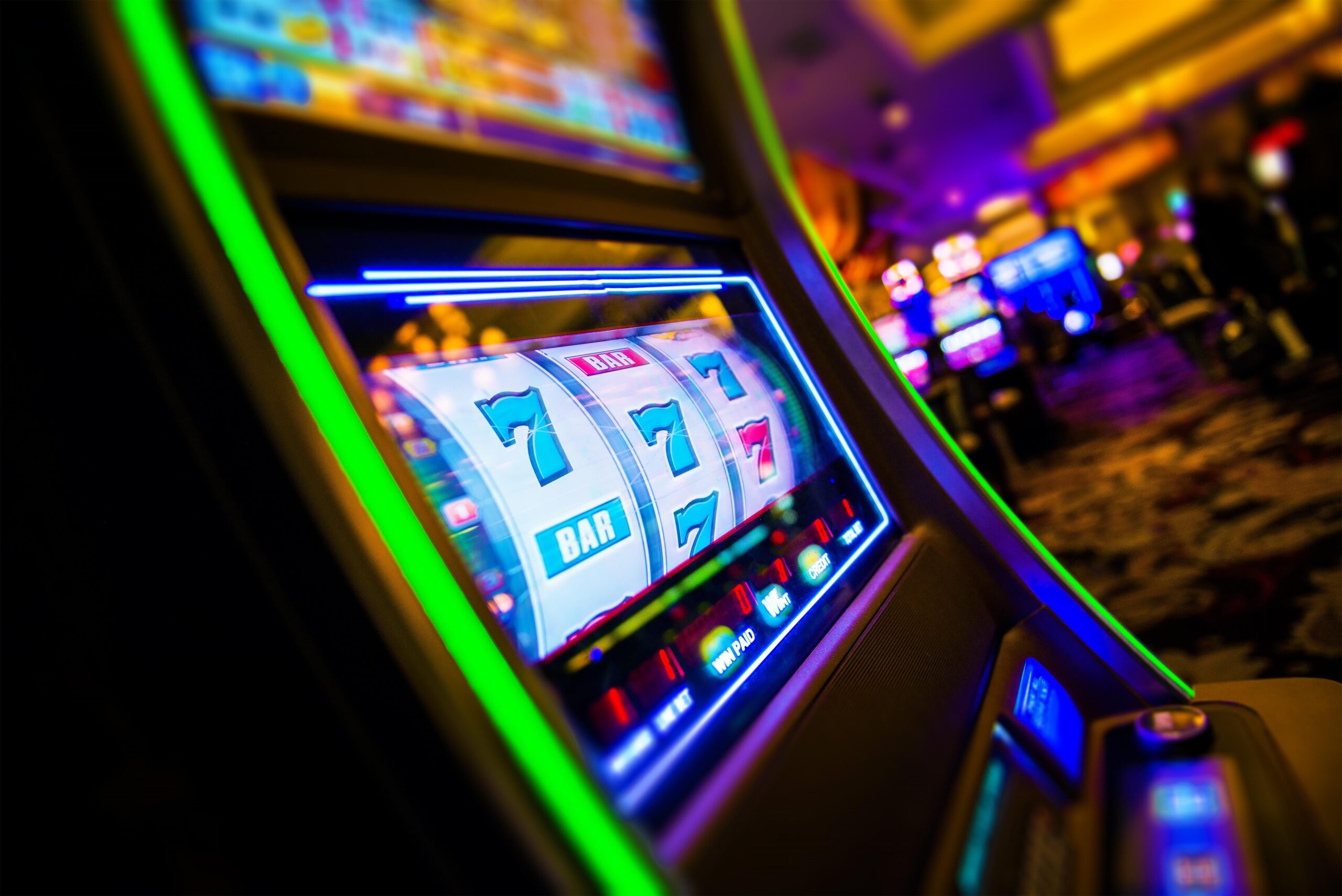
From controllers to touchscreens
Gen Z grew up using smartphones and playing mobile games. The always-on internet access means that their relationship with digital entertainment is much different from older generations. They expect instant loading times, intuitive interfaces, and feedback loops which reward even the smallest of actions.
Modern online slots are designed with this type of behaviour in mind. The newest titles now often feature level-style progression systems, achievement pop-ups, animated reward sequences, daily challenges, and unlockable bonuses.
These mechanics are similar to mobile games. People also consume them in a similar way. They’re less inclined to play casino games for hours on end. Instead, they’ll log in for 15 minutes and play a few spins before moving on to something else. It’s more of a form of bite-sized entertainment.
Lower stakes play
Another trait of younger players is how they manage their time and money. They often prefer to play in smaller and more controlled sessions. They aren’t as inclined to chase big jackpots as was the norm of players for many years.
Deposit sizes between £5 and £20 are common, as they spread play across multiple games rather than just a single title. They’re not necessarily in it to win big, they more so want to enjoy the experience.
The quick logins, fast reward cycles, minimal commitment, and visual stimulation is behaviour also seen with mobile gaming.
Slot developers have already started creating games with rapid animations, frequent bonuses, and simple mechanics that don’t require much learning. Some titles even feel close to arcade experiences rather than casino products.
Gamification isn’t an accident
Casinos didn’t accidentally stumble upon this approach. Game designers are constantly analysing player behaviour and looking at techniques they can borrow from the gaming industry.
Concepts like dopamine loops, progression systems, and variable rewards are key pillars of how video games have long kept players engaged. That’s a trend seen in the slots space nowadays.
When you compare reviews on https://www.online-slot.co.uk/, you can see features such as streak bonuses, timed events, collectable symbols, and platforms that offer tiered loyalty systems. These all work towards boosting engagement.
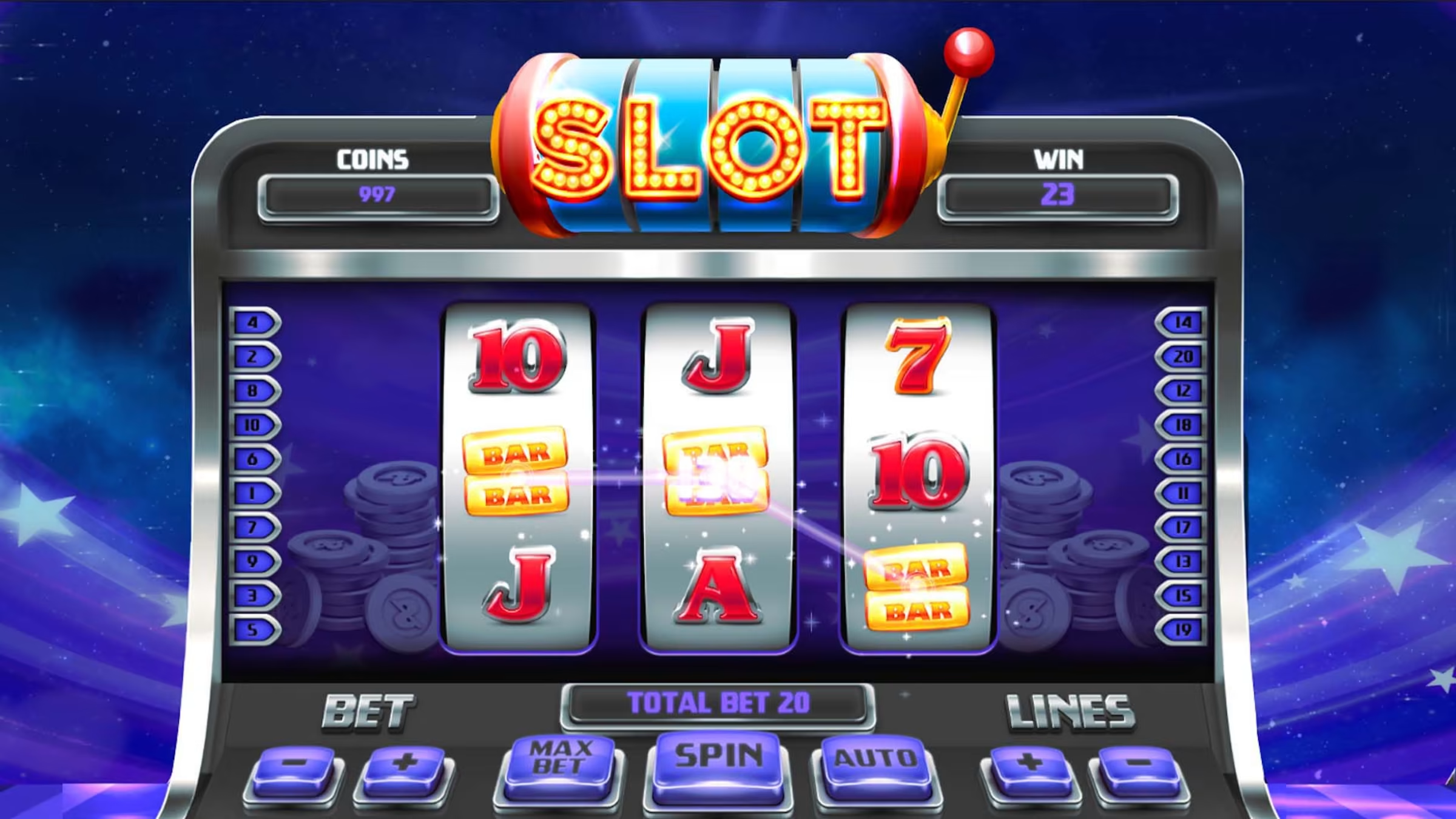
A generation raised on digital rewards
While many older players think more about land-based venues when they think of casinos, Gen Z’s first entertainment experiences were through apps and consoles. They’re well used to unlocking skins, opening loot boxes, or completing quests.
Slots are now replicating that structure. Players earn free spins instead of coins and gems. They progress in loyalty programs similar to how XP bars fill up. They trigger bonus rounds that are akin to boss battles. The psychology is eerily similar.
While some critics claim that people are less social when they’re on their phones, much of the time, younger people are playing while chatting through messaging apps like Discord and WhatsApp or enjoying the action at the same time as their friends.
Others will watch live streams of their favourite content creators, using the built-in chat tools on the likes of Twitch, Kick, and YouTube to interact with like-minded individuals.
The future looks more like gaming than gambling
As Gen Z becomes a bigger proportion of the overall online casino audience, the industry is likely to go further down the road of gamification.
This means more mission-based slots, deeper progression systems, and limited-time challenges. The advent of AI means that personalised bonuses are becoming a thing, as are personalised game recommendations.
The experience of playing online slots is now as normal as scrolling on social media or checking their favourite messaging apps. As time goes on, slots are going to become more and more akin to gaming.
