
Understanding Reward Loops and Their Impact on Player Engagement
By Alex╺
- PS4
- PS5
- XBox One
- Series X
- PC
Reward loops sit at the center of player engagement. They explain why some games feel hard to put down even when the core action is simple. In the most basic sense, a reward loop connects an action to a response and gives the player a reason to continue.
That pattern shows up across gaming, but it is especially easy to study in slot design, where each decision leads quickly into the next one.
What Reward Loops Actually Are?
A reward loop is the repeated cycle of action, feedback, outcome, reward loops psychology and renewed intent. The player does something, the game responds, and that response shapes the next move. Good loops feel smooth because they reduce hesitation. They make the player feel that each click, spin, or match result matters.
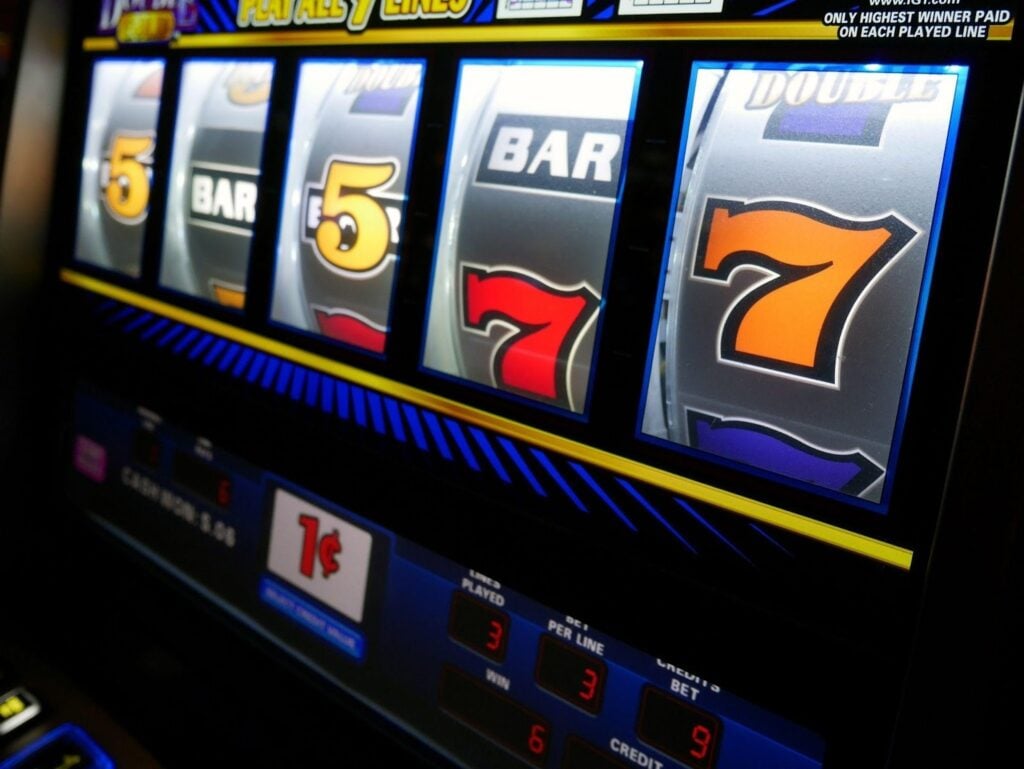
One clear example appears in slots online, where the structure is compact and easy to follow. A player spins, watches the reels resolve, reacts to the outcome, and decides whether to continue. Because the feedback arrives so quickly, the loop stays active from moment to moment.
Why Fast Feedback Changes Behavior?
Speed is a crucial factor here because the brain reacts strongly to immediate confirmation. A sound effect, a flashing symbol, a rising meter, or a bonus prompt can make a small event feel more important than its raw value suggests. The reward is not only the payout or progress itself, but also the way the result is delivered.
This is why short gaps between action and response are so effective. When players don’t have to wait long to see what happened, they stay focused. When delays grow too long, their attention may weaken.

Why Repetition Works Better With Uncertainty?
Repetition alone won’t hold interest for long. Players need a pattern they can understand, but they also need some uncertainty inside that pattern.
If every outcome is obvious, the system becomes flat. If everything feels random, trust breaks down. Strong reward loops balance both forces. The player learns the structure, but the exact result still carries some suspense.
That tension helps explain why random drops, bonus triggers, and rare symbols keep attention high even after many repeated actions.
The Role of Small Rewards
Large wins get attention, but small rewards often do more to sustain a session. Regular confirmation keeps momentum alive.
Experience points, partial progress toward a goal, a minor win, or a symbol that signals a feature is close can all serve this purpose.
These smaller responses stop the session from feeling empty. Even when the outcome is modest, the player sees evidence that something is moving forward. That sense of motion is often more important than one isolated high point.
How Slot Games Build Strong Reward Loops?
Slot games are a useful case study because their structure is so visible. The main action is simple, yet the surrounding signals are carefully designed.
Volatility, reel timing, symbol placement, audio cues, near-misses, free-spin triggers, and multiplier effects all shape how the outcome feels.
And a spin is not just a result screen; it’s a staged event. The order in which reels stop, the delay before a feature lands, and the way a bonus is introduced all add tension that keep the player hooked
Many modern games don’t rely on a single loop. They layer smaller systems around the core mechanic. In slot games, that can include loyalty rewards, daily objectives, timed events, feature meters, or tournaments tied to overall play.
That layered structure will change how players read each result. A spin that doesn’t produce a major payout can still contribute to a larger goal.
This makes the session feel broader than a series of isolated outcomes. It also helps explain why players may stay engaged even during quieter stretches.
Near-misses also matter because they affect what happens after the result is already over. If two scatter symbols land early, the final reel suddenly carries more emotional weight. If a bonus almost triggers, the next spin can feel more charged than the last one.
Anticipation extends attention beyond the immediate result and pushes interest into the next decision.
How Music and Animation Can Affect the Loop?
Another factor to consider is that more animation and more sound don’t always produce better engagement. In fact, too much visual or audio clutter can weaken the loop. Players need to understand what happened, why it mattered, and what could happen next.
More stripped-down systems usually perform better than noisy ones. When the feedback is easy to read, repetition feels smooth. When the presentation is cluttered, the player has to work too hard to interpret the game state, and the loop loses force.
Why Reward Loops Matter for Player Engagement?

Reward loops shape behavior, not just enjoyment: they influence session length, attention, and the urge to continue. In slot design, the loop is easy to see because every spin feeds directly into another decision.
When the pacing is sharp and the signals are easy to read, the system keeps the player mentally involved. That’s the real impact of a reward loop. It turns repeated actions into sustained engagement and player retention.
