
Digital Transformation within Formula 1 Racing
By Alex╺
- PS4
- PS5
- XBox One
- Series X
- PC
For decades, Formula 1 was viewed as an exclusive, European-centric sport with a high barrier to entry for casual viewers. However, the acquisition of the sport by Liberty Media in 2017 marked the beginning of a radical shift toward a digital-first entertainment model.
By moving away from restrictive broadcasting silos and embracing behind-the-scenes storytelling, the sport has managed to reach a global fanbase that now exceeds 827 million people.
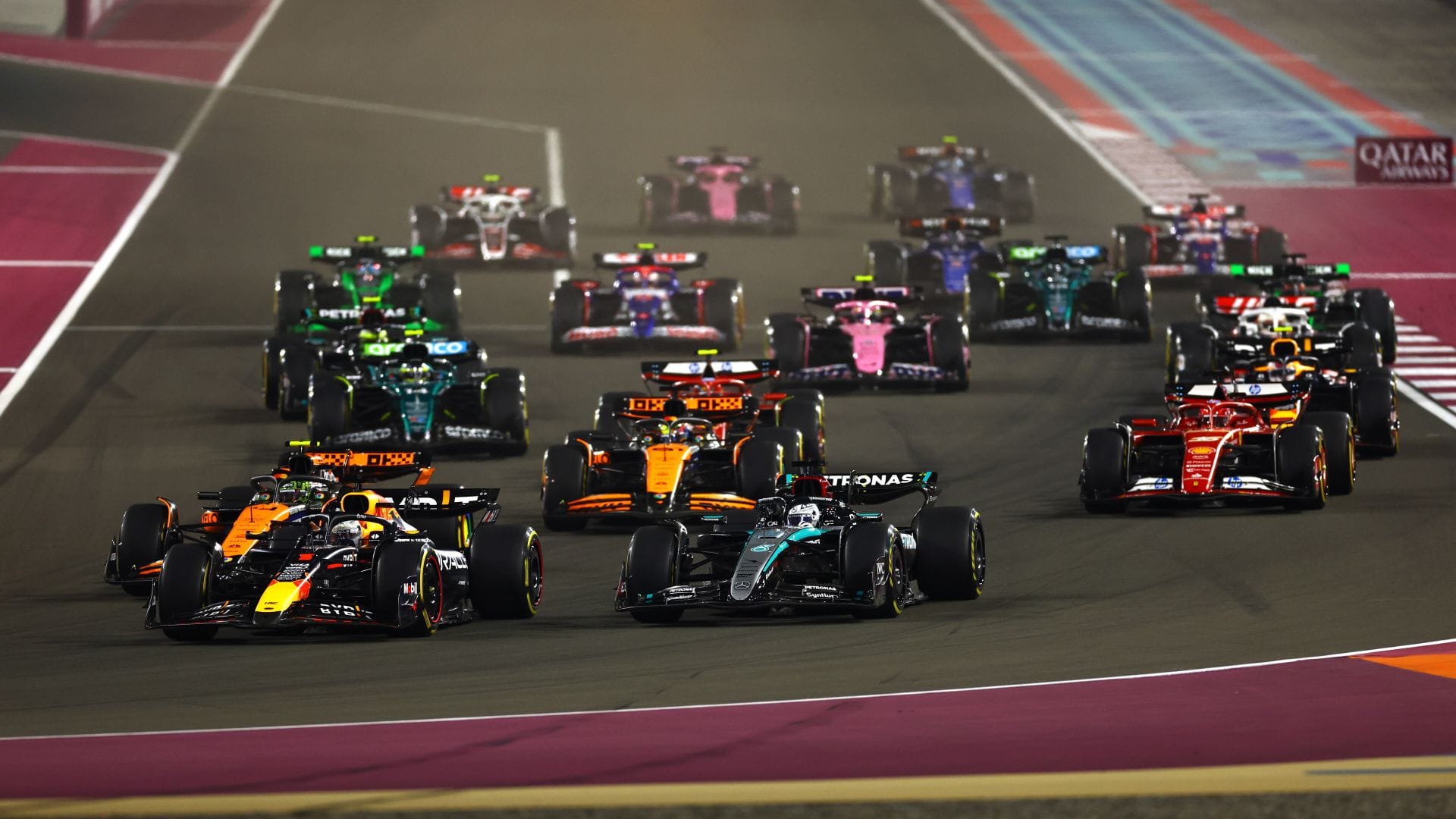
The cornerstone of this transformation remains the “Netflix effect,” a phenomenon that turned drivers into household names and races into season-long narratives.
The success of Drive to Survive did more than just increase TV ratings; it fundamentally changed the demographic profile of the average fan. In 2025, data shows that 43% of the total fanbase is under the age of 35.
This surge is largely due to the series’ focus on personal rivalries and garage politics rather than just technical telemetry.
By humanizing the athletes, the sport lowered the entry barrier for those who previously found the engineering complexities of aerodynamics and fuel flow sensors intimidating.
Shifting Demographics and Global Engagement
The impact of this digital overhaul is most visible in the diversification of the audience. Formula 1 is no longer a male-dominated hobby. Today, female fans represent approximately 42% of the global audience, a significant jump from 2018.
This inclusive growth has opened new doors for lifestyle-oriented sponsorships and high-end luxury partnerships that go beyond traditional automotive brands.
| Metric | 2018 Data | 2025 Data |
| Global Fanbase | 506 Million | 827 Million |
| Female Audience Share | 37% | 42% |
| Fans Under 35 | 30% | 43% |
| Social Media Followers | 18.5 Million | 114.5 Million |
The table above illustrates the sheer scale of the sport’s expansion. The 63% increase in total fanbase since 2018 is a testament to the power of multi-platform storytelling.
Fans now interact with the sport through 24/7 digital loops, ranging from real-time telemetry apps to short-form highlights on social media platforms.
The Role of Social Media as a Gateway
While Netflix provided the initial hook, social media has become the primary tool for retention. Drivers like Charles Leclerc and Lewis Hamilton act as independent media engines, producing content that bridges the gap between the racetrack and lifestyle culture.
This “always-on” engagement model ensures that the sport remains relevant even during the three-week gaps between Grands Prix.
Modern digital platforms allow fans to customize their experience in ways that traditional television cannot. For example, younger audiences often prefer to play with interactive live-timing apps while watching a race, seeking a secure and official Yepcasino licensed online platform experience for their fast-paced data feedback.
This desire for instant immersion and responsive interfaces has driven Formula 1 to invest heavily in its own streaming services and official apps, which saw a 17% increase in views over the last year.
Key Factors Driving Continuous Digital Growth
To maintain this momentum, the sport’s media teams utilize a specific set of strategies tailored to the digital native:
- Bite-sized Content: High-intensity clips of overtakes and radio messages designed for viral sharing on TikTok and Instagram.
- Access to the Paddock: Behind-the-scenes footage from the “media pen” and team garages that provides a raw, unedited view of the weekend.
- Localized Feeds: Tailored social media accounts in Spanish, Mandarin, and German to ensure global accessibility.
- Creator Collaborations: Partnering with influencers and musicians to turn race weekends into cultural festivals rather than just sporting events.
These initiatives have turned the sport into a “culture moment” that extends far beyond the final checkered flag. By prioritizing authenticity and rapid delivery, F1 ensures that its narratives are controlled by the sport itself rather than external media outlets.
Mastering the Fan Experience Beyond the Track
The evolution of Formula 1 proves that a sport’s survival in the digital era depends on its ability to function as a media house. The “Netflix effect” was the catalyst, but the sustainable growth seen in 2025 is the result of a meticulously planned ecosystem.
By treating every race as a content campaign, the sport has managed to maintain a high level of loyalty among both legacy fans and newer, younger cohorts.
As the 75th anniversary season concludes, the sport’s focus is shifting toward even deeper immersion through augmented reality and AI-powered personalization.
The goal is to move from passive viewing to active participation. When fans feel like they are part of the team’s strategy room rather than just observers in the grandstands, the emotional connection to the sport becomes unbreakable.
This strategy has not only saved the sport from stagnation but has positioned it as the blueprint for how traditional industries can successfully navigate the digital age.
