
What No One Tells You About How Digital Stores Changed Game Design Forever
By Alex╺
- PS4
- PS5
- XBox One
- Series X
- PC
There’s a hidden story behind every splashy trailer and headline-making release: digital storefronts aren’t just store shelves, they reshape the games themselves.
While most players praise the endless selection and instant access, the real twist is how these platforms have pushed developers to rethink priorities, abandon old formulas, and create for a new kind of audience. It’s not always the slick upgrade fans imagine.
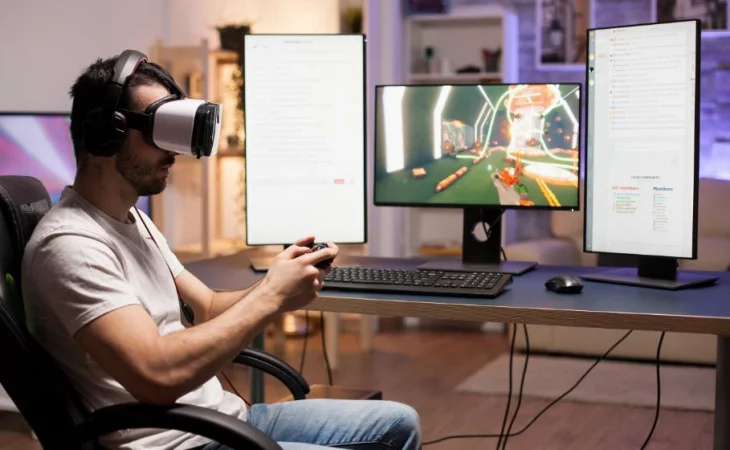
Consider the ripple effects of features like Nintendo eShop gift card codes. On the surface, it looks like a smart way for fans to gift each other new adventures or grab a release right away. The deeper reality?
Game creators can no longer rely on physical scarcity, shelf space, or even box art to catch your eye. Instead, they optimize for digital stores, crafting icons, tweaking game size, and, sometimes, favoring quick-fix DLC over big expansions because it’s easier to sell you content in smaller bites.
Players asking, “Where can I buy digital games?” usually start with the official platform stores, like Nintendo’s and others.
But many also check digital marketplaces for competitive pricing or fast code delivery. Platforms like Eneba have grown popular because they show regional tags and let you use gift cards with flexibility, which helps buyers pick what works for them.
Why Instant Access Isn’t a Pure Win?
Here’s the contrarian angle: instant digital access hasn’t only made gaming easier. It’s put a timer on creativity. Before digital stores exploded, studios spent years perfecting a single release, knowing they got one chance to impress at launch. Now, everyone expects updates, events, and continuous add-ons.
Developers hold back features or experiment openly, ready to patch and tweak in response to sales data and reviews. That shortens risk, but sometimes flattens ambition.
A large portion of today’s new games is built for storefront visibility. Small file sizes mean faster downloads, and snappier titles outperform slower, experimental projects.
The pressure is real: if your game doesn’t trend at launch, it drops off the radar before the weekend ends. Many devs admit they tweak core design to please digital algorithms, not just player dreams.
The Myth of “More Choice Means Better Games”
There’s a widespread belief that more games and broader access create higher quality, more creative experiences. The truth is messier.
Long backlogs and constant deals can make big releases feel less special, while the rush for attention leads to clones and safe sequels dominating top charts.
As stores compete for every possible player, thanks in part to easy access through things like Nintendo eShop gift card codes, the challenge grows for quirky or experimental games to survive.
Some players say digital marketplaces are a pure win for region-locked content. It’s partly true: global platforms can connect you with titles or cards not sold in your country.
Digital marketplaces like Eneba help bypass those invisible walls through clear tags and flexible options, letting players enjoy a global library as if there were no borders at all.
Easy access and worldwide deals make gaming more connected, but the changes go deeper than most fans guess. Games must now thrive in a nonstop, crowded market, and those digital shelves have forever changed how, why, and even what gets made.
That shift, from boxed exclusives to worldwide code drops and algorithm-watching developers, explains why digital marketplaces like Eneba rarely just sell games. They help shape the entire way we play and experience them.
