
GTA VI’s Risk Design Is Training Your Brain. Here’s How
By Alex╺
- PS4
- PS5
- XBox One
- Series X
- PC
Rockstar confirmed GTA VI for November 19, 2026, and the internet has not calmed down since. Every leaked screenshot gets dissected frame by frame. Every rumor about Vice City’s map size turns into a 40-minute YouTube video.
Variety reported that Rockstar is even pushing an extended trailer to Netflix and YouTube on August 27, which tells you something about how far this launch has spread beyond gamers into mainstream culture.
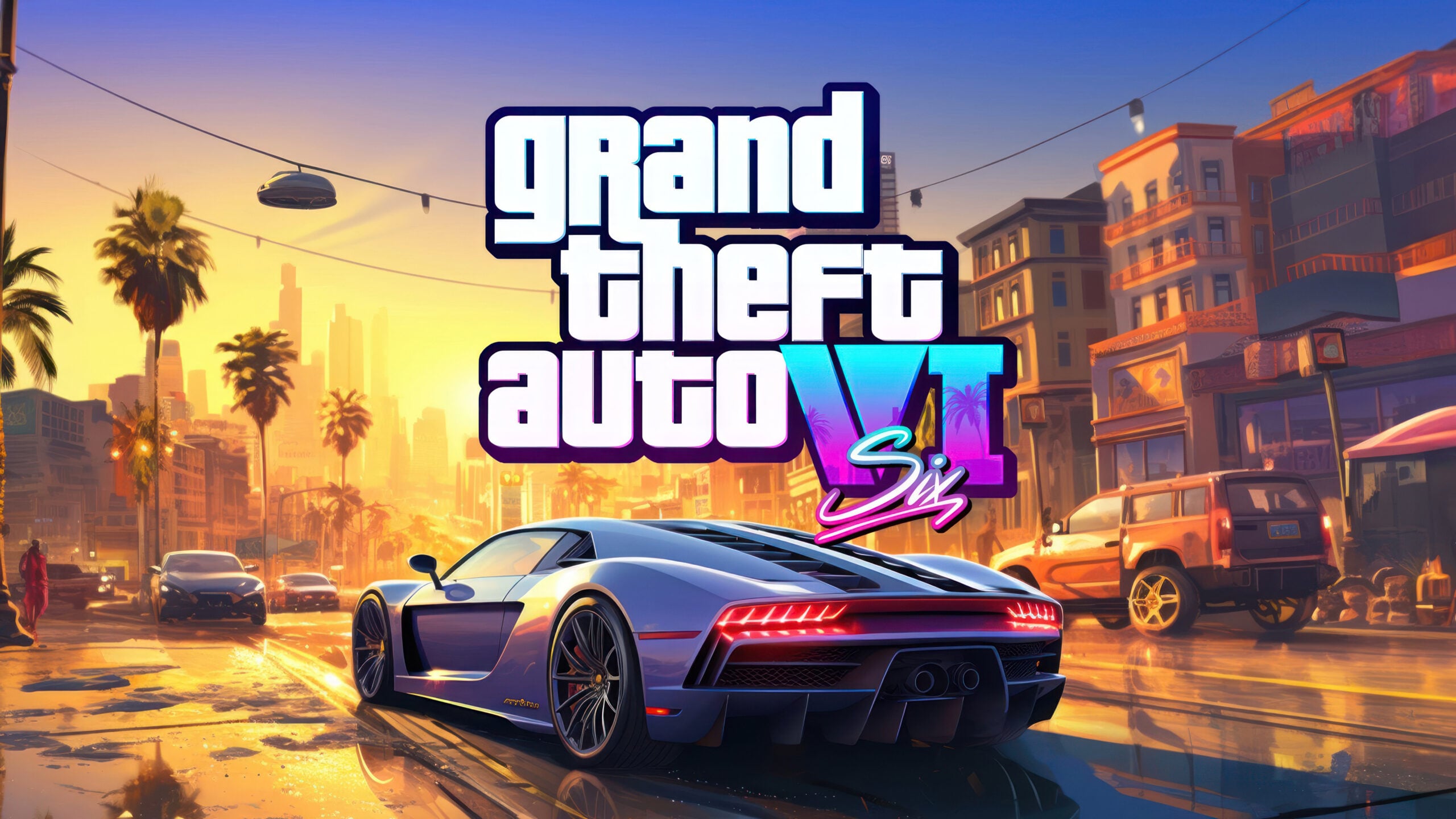
But here’s the part nobody’s talking about enough. The thing that made GTA Online’s Diamond Casino so sticky wasn’t the slot machines or the poker tables themselves. It was the design underneath them. Variable rewards, near-miss feedback, the dopamine hit of almost winning.
That machinery is coming back in GTA VI, probably sharper than before, and it’s worth understanding why it works on us before the game even drops.
The Psychology Rockstar Already Mastered
Grand Theft Auto Online’s casino update landed back in 2019, and it stuck around for a reason. Players didn’t just visit the Diamond Casino once for the novelty. They kept coming back. Weekly. Some players logged in daily just to spin the Lucky Wheel for a free chance at a car or cash.
That’s not an accident. It’s the exact same reinforcement schedule that behavioral psychologists have studied in slot machines since the 1950s.
Variable ratio reinforcement, meaning you don’t know when the reward is coming, is the most addictive pattern there is. B.F. Skinner proved it with pigeons pecking at levers. Rockstar just built a beautiful open world around the same lever.
A study published in PLOS One surveyed over 7,000 gamers and found a direct correlation between spending on loot boxes and problem gambling behavior.
The mechanics aren’t just similar to gambling. In a lot of cases, they’re functionally identical, just wrapped in cartoon coins instead of casino chips.
Where Virtual Stakes Start Feeling Real?
Here’s where it gets genuinely interesting. Players who spend hours in GTA Online’s casino aren’t gambling with real money most of the time.
In-game currency doesn’t cost anything unless you’re buying Shark Cards. But the psychological pull still fires the same reward circuits.
This is the bridge a lot of GTA fans eventually cross without fully realizing it. Once you’ve spent 200 hours learning the rhythm of a poker table, reading bluffs, managing a stack, the appeal of playing with actual chips at a real table starts to make sense.
The mechanics translate almost one to one. Position matters. Bankroll management matters. Reading an opponent’s timing tells matters just as much online as it does staring at Rockstar’s animated NPCs.
For players who reach that point and want the real version instead of the simulated one, a rundown of the best online poker sites is a reasonable next stop.
It’s a different kind of stakes entirely, with actual money on the line and actual regulation behind it, not scripted RNG tuned for engagement metrics.
If you do make that jump, treat it like a different game with different rules. Gambling involves real risk. Set a budget before you sit down, and if it stops being fun, step away. If you ever feel like you can’t, BeGambleAware.org has resources built for exactly that moment.
Why Game Designers Keep Reaching for These Loops?
Rockstar isn’t the only studio doing this. Loot boxes, gacha pulls, battle pass tiers with random cosmetic drops, they’re everywhere now because they work.
A study in Nature’s Scientific Reports found surprisingly high rates of psychological distress among players who regularly purchase loot boxes, which suggests the effect isn’t trivial even when no real money changes hands after the initial purchase.
The industry calls this “engagement design.” Players call it “just one more spin.” Both descriptions are accurate. What’s changed since GTA Online launched its casino wing is the scale.
GTA VI is expected to have a persistent online mode from day one instead of bolting one on years later, which means whatever risk-and-reward systems Rockstar builds this time will be tuned with six extra years of player data behind them. CBS News’ coverage of the leaked details suggests the online component is a bigger priority than it’s ever been for the franchise.
It’s worth sitting with that for a second. The version of the casino that ships in November won’t just be prettier. It’ll likely be more precisely calibrated to keep you spinning.

The Line Between Fun and Compulsion Is Thinner Than You Think
Not every player who enjoys GTA’s casino missions is at risk of anything. Most people play a few rounds, get a car skin, move on with their night. That’s fine.
The concern isn’t casual play. It’s the design pattern underneath it, and how normalized it’s become across nearly every big-budget release since the mid-2010s.
Ask yourself honestly: do you ever keep playing past the point where you’re having fun, just to see if the next spin hits? That question matters more than whether the currency is virtual or real. The mechanism doesn’t care which one it is.
Developers know this. That’s the uncomfortable truth. The Lucky Wheel isn’t randomly generous. It’s tuned. Every “near miss” you’ve felt on a slot machine, virtual or physical, was probably placed there on purpose.
Frequently Asked Questions
Does GTA VI confirm a casino or poker feature?
Rockstar hasn’t detailed every mechanic yet, but GTA Online’s Diamond Casino set a strong precedent. Given the franchise’s history and the confirmed November 19, 2026 launch, most analysts expect similar reward-based systems to return in some form.
Are loot boxes technically gambling?
Researchers are split on legal definitions, but multiple peer-reviewed studies have found loot box mechanics functionally resemble gambling, particularly variable reward schedules. Some countries, including Belgium, have already restricted or banned certain loot box formats for this reason.
Why do near-misses feel so compelling in games?
Near-miss outcomes activate similar brain regions as actual wins, according to behavioral research going back decades. Game designers use this intentionally to keep players engaged, whether the reward is a rare skin or a cash payout.
Is virtual gambling in games regulated?
It varies by country. Some regions treat loot boxes as consumer protection issues rather than gambling, while others, like Belgium and the Netherlands, have taken stricter stances. Regulation is still catching up to game design in most markets as of 2026.
How much of GTA Online’s casino content will carry into GTA VI?
Rockstar hasn’t confirmed specifics, but given the online mode’s expanded role this time, expect casino-style content to appear, likely with more sophisticated reward tuning than the 2019 version had.
Whatever Rockstar ships in November, the casino wing will probably be the most talked-about corner of the map again.
Understanding why it hooks people isn’t a reason to avoid it. It’s just worth knowing what’s actually happening under the hood before you sink another 40 hours into the Lucky Wheel.
