
Why Counter-Strike 2 Is Dominating Esports Trading on Kalshi
By Alex╺
- PS4
- PS5
- XBox One
- Series X
- PC
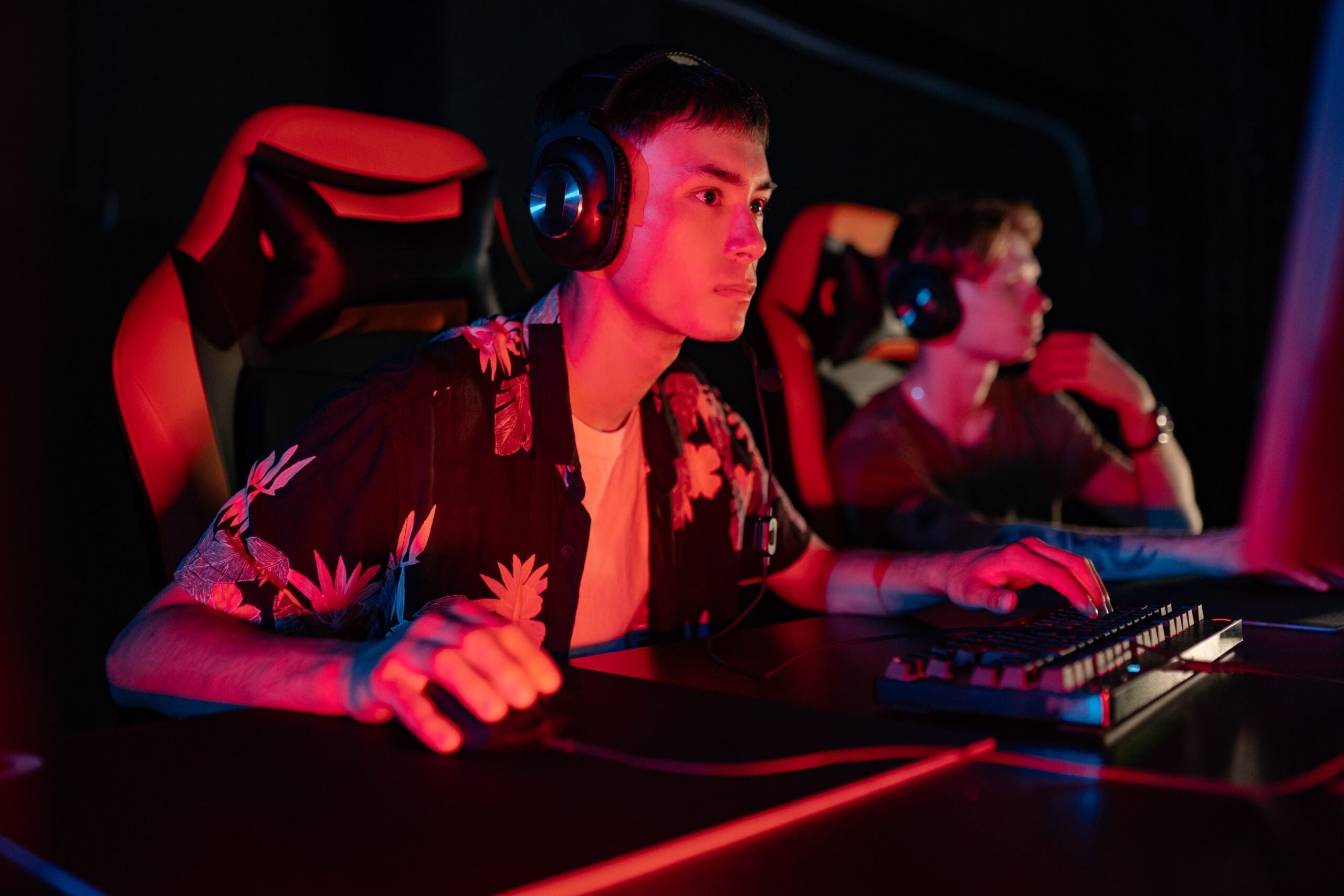
A shooter with more than two decades of competitive history has become the single biggest name in a very different kind of market. Here’s what’s driving Counter-Strike 2’s grip on Kalshi’s esports trading and how you can get involved.
Counter-Strike 2 hardly needs an introduction if you follow competitive gaming, but its grip on Kalshi’s esports trading board might still surprise you.
Kalshi is a federally regulated prediction market where traders buy contracts tied to real-world outcomes instead of placing a traditional bet, in which esports has become one of the fastest growing categories. Out of everything on offer, from League of Legends to Valorant, CS2 has pulled ahead by a wide margin.
Understanding why says a lot about where esports trading is heading, not to mention what’s worth knowing before you put money behind a match.
The Numbers Behind the Surge
During the week of June 1 to 7, 2026, Counter-Strike 2 generated $23.7 million in trading volume on Kalshi, out of a total of $36.18 million across the platform’s entire esports lineup that week.
That works out to 65.6% of everything traded, coming from 236 matches out of 408 played across every title on the board. The timing wasn’t accidental. IEM Cologne, one of the sport’s longest-running and most prestigious tournaments, was underway, and it pulled in an outsized share of trader attention.
League of Legends finished a distant second over the same stretch, with $8.7 million from 116 matches. It’s a gap that’s worth paying attention to: CS2 wasn’t just popular, it was popular relative to how few matches were actually being played.
Fewer games pulled in far more money per fixture, which points to focused trading around marquee events rather than steady background interest spread evenly across the calendar.
Why Counter-Strike Pulls This Kind of Volume?
Well, a big part of the answer sits in how CS2 keeps its audience engaged between tournaments. The game leans on the familiarity of systems rather than constant reinvention, so players have a reason to stay logged in long after a content update ships, thanks to its steady matchmaking and ranked progression.
That kind of habitual engagement builds a large, informed audience that already understands team form and map pools well before a Major even begins, which makes CS2 markets easier to price and more attractive to trade.
There’s also the format itself. CS2 majors run through qualifiers and group stages before condensing into single elimination brackets, all packed into a short window.
Each match creates its own contract, as can each map within a match. That density of tradeable moments, all clustered around one headline event, is difficult for any other title to match.
Counter-Strike also carries a betting culture that predates prediction markets by years, thanks to the skin trading and skin betting scene that grew up around CS:GO. That history means a meaningful slice of the CS2 community already thinks in terms of odds and value, which helps explain why trading on a regulated platform has felt so natural for so many fans.
Trying Prediction Market Trading Yourself
If CS2’s numbers have you curious about trading rather than just watching, it helps to compare offers before signing up anywhere. The Kalshi bonus code page at Sportsbook Review breaks down the current welcome offer and its experts walk you through registration and identity verification step by step.
It also explains the minimum deposit and trading requirements in plain terms, alongside which states allow Kalshi access, since availability varies more than it does with a typical sportsbook.
The page covers how fees are calculated too, along with the platform’s regulatory status and responsible trading tools, so you know what you’re signing up for.
How Kalshi’s Contracts Actually Work?
If you haven’t traded on Kalshi before, the mechanics look different from a typical sportsbook bet slip. Instead of fixed odds set by a bookmaker, prices move based on how much money is backing each side. A few basics worth knowing:
- You buy a “yes” or “no” contract on a specific outcome, such as which team wins a match or a map.
- Contracts settle at $1 if you’re right and $0 if you’re wrong, so the price you pay reflects the market’s current view of the odds.
- You can sell a position before the match ends if you want to lock in a gain or cut a loss.
- Trading volume measures the total value of contracts changing hands, not how much any individual trader has actually risked.
That last point trips people up. A match showing a million dollars in volume doesn’t mean a million dollars was won or lost. It means that much money changed hands across every trade placed on that outcome.
Liquidity matters here too. IEM Cologne’s group stage alone produced dozens of matches within a few days, a steady flow of contracts that kept prices moving and spreads reasonably tight.
Thinner markets, by contrast, can leave you holding a position you can’t easily exit at a fair price, which is worth remembering before backing anything outside the biggest tournaments.
Part of a Bigger Shift in Betting Habits
CS2’s dominance on Kalshi doesn’t exist in isolation. Prediction markets as a category have been eating into territory that traditional sportsbooks used to have to themselves.
Analysis from H2 Gambling Capital, cited by Fortune, found that prediction-market activity climbed to around 27% of all legal US sports-betting volume during this summer’s World Cup, up from roughly 9% at the start of the year.
Esports is a smaller slice of that overall picture than football or basketball, but the same forces are at work: transparent pricing and the ability to exit a position before an event resolves.
Keeping an Eye on What Comes Next
CS2’s own competitive calendar shows no sign of slowing down, which matters for trading volume just as much as it does for viewership.
The game already sits among the most watched esports titles in the world, with every fresh Major or international event tending to bring a fresh spike in Kalshi activity behind it. If IEM Cologne is any guide, the biggest tests still lie ahead whenever a major LAN final draws a global audience.
Whether you’re trading or simply keeping track of where the numbers are heading, Counter-Strike 2 looks set to remain the title other games get measured against on Kalshi’s esports board for a while yet.
