
Why CS2 Case Battles Are the Best Way to Open Cases with Friends
By Alex╺
- PS4
- PS5
- XBox One
- Series X
- PC
If your friends open CS2 cases separately, each one gets a different outcome, and the others only see it via a screenshot.
In a case battle, everyone enters the same room and opens the same cases in the same order. The results are shown round by round so all participants can see the totals, see who is in the lead, and discuss the skins as they come out.
How CS2 Case Battles Work?
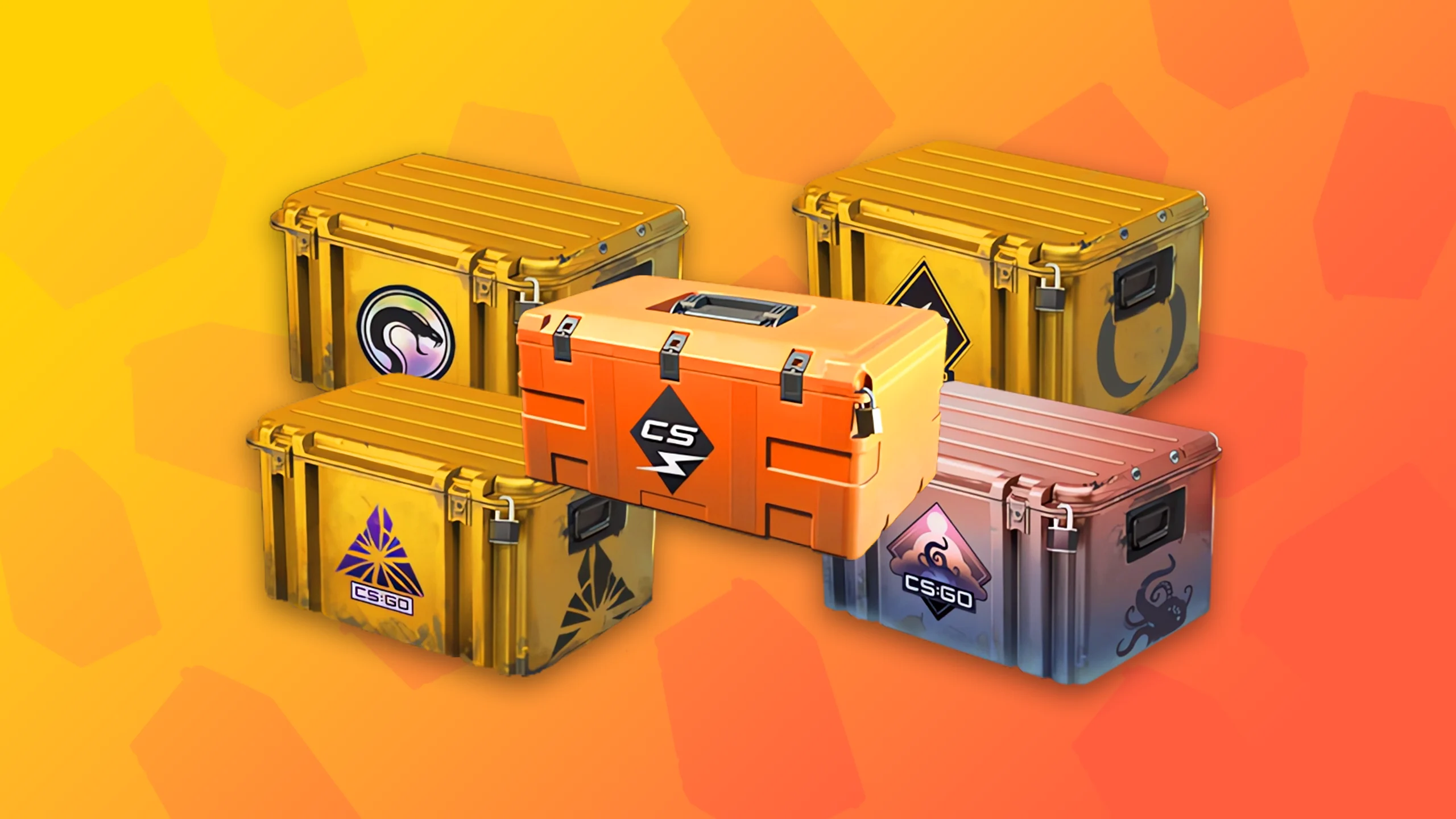
A case battle is a game mode on third-party platforms where two or more players open the same selection of cases. The creator chooses the cases and available settings, while every participant pays the displayed entry cost. If the room contains five cases, each player opens those five cases in the same order.
The value of the skins is recorded throughout the battle, based on current pricing from the Steam Community Market. Once all rounds are complete, the platform applies the selected rules and distributes the items. The exact process is not identical everywhere.
Some modes use individual totals, while others divide players into teams or change the condition used to determine the result. The rules shown in the room should always be checked before joining, since CS2 updates occasionally change how certain modes calculate a winner.
Everyone Opens the Same Cases
It is hard to compare different openings when each person chooses a different case or spends a different amount. One player may opt to purchase an expensive one, while another opens many cheap ones. The results are not significantly correlated, apart from the fact that they occurred at about the same time.
In a battle, each competitor starts on equal terms. The cases, order, number of rounds, and entry price are determined before the battle starts. When a certain group of skins is present in one case, all players get a result from this group in the round.
It’s easier to follow the action with this structure. Friends can watch who is winning after each round and how much the next case affects the current standings. No need to exchange screenshots or manually calculate several totals.
The Group Shares Every Round
The social part comes from watching the same sequence together. A valuable skin affects the position of one player, but everyone in the room sees it appear. The next round may reduce that advantage or leave the result unchanged. A chat makes this especially easy to follow.
Friends can react to a close round, discuss the skins, or watch the lead move between participants. The room has a clear beginning and end, so the activity feels closer to a short multiplayer session than a set of individual transactions.
The group does not need to be in the same place. Each person can join from their own device and discuss results.
Cases and Budget Can Be Chosen in Advance
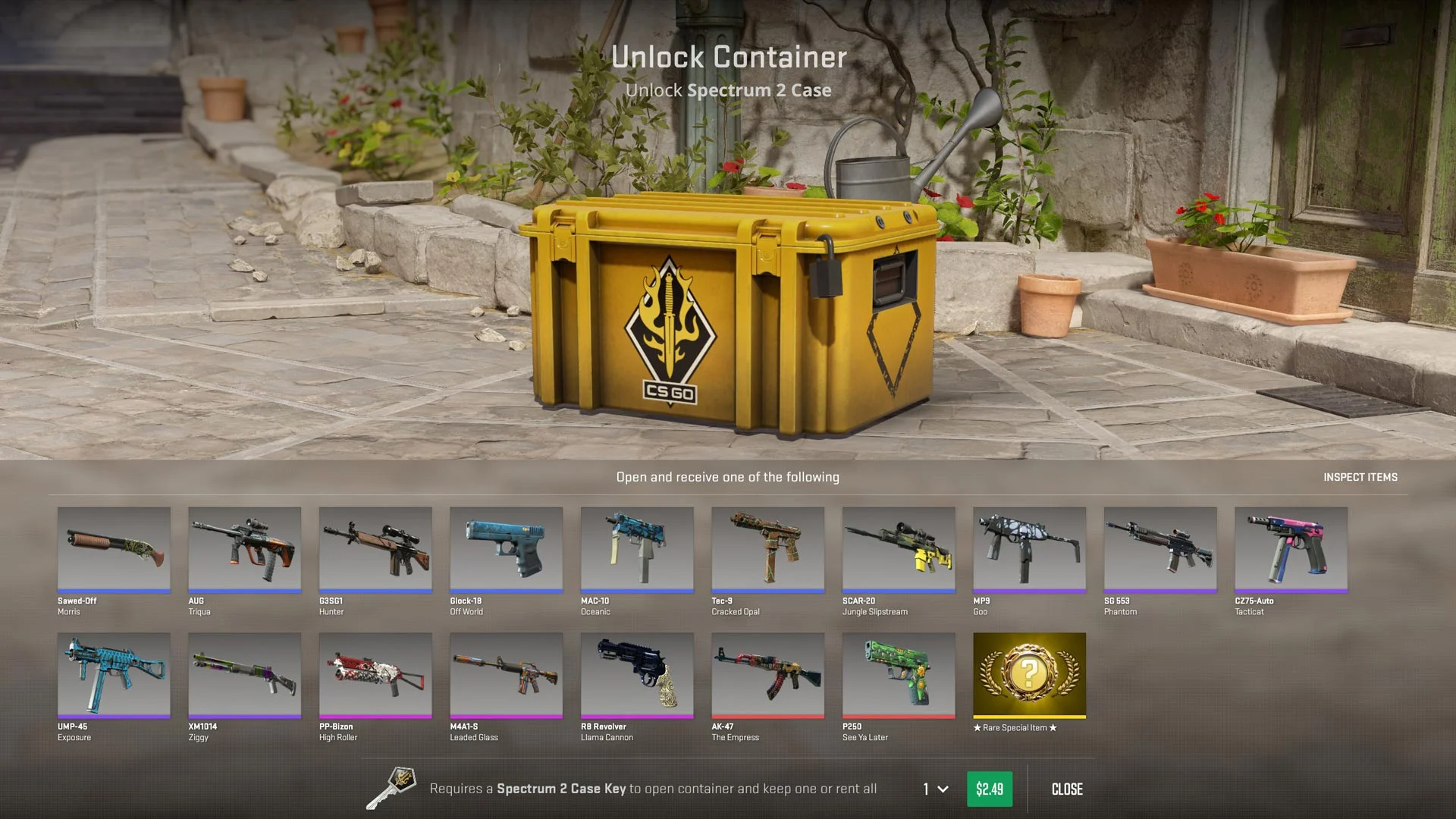
The room creator is the one who handles the case selection, so friends can agree on a price before the game starts. You can have many cheap cases with more rounds and not a single expensive buy-in. A battle with fewer rounds can focus on the cases of one or two specific collections.
The cost of participation in the battle is equal to the sum of the costs of the cases chosen for the battle. Several cheap cases can be worth the same as one expensive one. Since the entry fee is the same for all participants, the group of friends should decide on a budget before the battle starts.
It is also worth reviewing the contents and probabilities of each case. A high-priced case does not guarantee that its result will have a similar value.
Prices themselves fluctuate on the Steam Community Market, particularly after Valve adds new collections or retires older ones. Battles organise the openings into a shared format, but they do not improve the underlying odds of the cases.
Different Formats Change the Result
The standard format usually compares the combined value of the skins received by each player. Other rooms may use teams or alternative winning conditions.
These settings matter because they determine what happens to the items at the end. In an individual room, each participant may be competing against everyone else. In a team room, the values received by teammates may be added together.
An alternative mode may reward a different result from the one expected in a standard battle. Friends should therefore agree on the format as well as the cases.
Conclusion
Case battles are a fun thing to do with your friends. That is due to the fact that different case openings get a unified structure this way.
The whole team just pays an equal entry fee and goes through the same case opening and rounds of play. In the case of such a format, there is a definite result, and everyone stays until the last bit. It does not create better odds, so the main benefit is the shared experience.
