
Why Phase 3 Makes Gold the Real Gate in Burning Crusade Classic
By Alex╺
- PS4
- PS5
- XBox One
- Series X
- PC
The anniversary realms for Burning Crusade Classic move into Phase 3 on 27 August, and with it come Mount Hyjal and the Black Temple. Guilds have been counting down to this for months. What most of them have not counted is how much it is going to cost them.
Raid progression in Classic has always had a second bill attached to it, one that has nothing to do with skill or attendance. Every attempt on a new boss burns consumables. Every wipe costs repair money. Every upgrade needs an enchant, and the good enchants are never cheap in the weeks right after a tier opens.
In Retail, a lot of that friction has been designed away over the years. In Burning Crusade Classic it is still very much part of the game.
Consumables are not optional at this tier
Serious guilds do not treat flasks and elixirs as a nice extra. A raid night at this stage typically means a flask for the whole run, a battle elixir and a guardian elixir stacked on top for the pulls that matter, food buffs before every boss, and potions during the fight itself.
Multiply that by twenty-five players and three or four nights a week, and the consumable bill becomes the single largest recurring cost in the game.
Prices move accordingly. In the first two weeks of a new phase, herbs and the flasks made from them reliably spike, because demand arrives all at once while supply is still catching up. Anyone who stockpiled before the patch is now sitting on a small fortune. Anyone who did not is paying the spike.
The repair bill nobody budgets for
Progression means wiping. That is the point of progression. But a full set of gear at this level costs a meaningful amount to repair, and a bad night of ten or twelve wipes on a new boss adds up quickly across an entire raid roster. Guilds with a well-funded bank absorb this without anyone noticing.
Guilds without one start seeing attendance problems, because players quietly decide they cannot afford to keep showing up.
Attunements and the alt problem
Burning Crusade is an attunement-heavy expansion, and Phase 3 does not change that. Getting a character raid-ready still means running the chain, and running the chain means consumables, repairs and travel costs on top of the time investment. For anyone gearing an alt to fill a raid slot, all of those costs simply repeat.
How players actually make it?
The honest answer is that gold in Burning Crusade Classic comes from professions and patience. Gathering remains the most reliable income at the start of a phase, precisely because everyone else needs what you are picking. Alchemy and enchanting turn that demand into margin if you have the recipes.
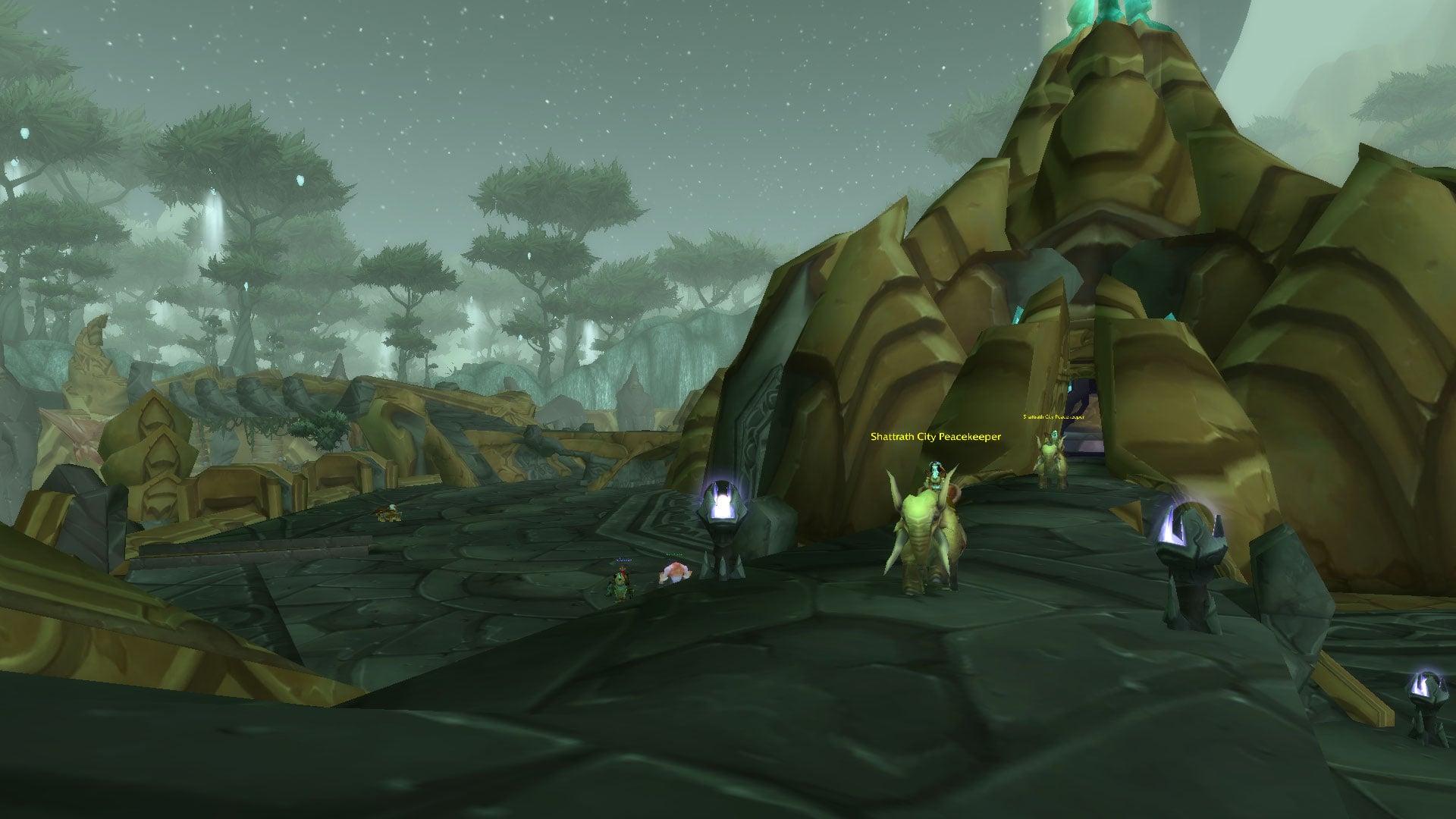
Daily quests in Shattrath and the Isle of Quel’Danas provide a steady baseline that does not depend on the market at all.
The auction house is where the real money is, and also where most of it is lost. Buying materials cheap on a quiet Tuesday and selling finished consumables on a raid night is a genuine strategy. It also requires you to be logged in on a quiet Tuesday.

The one resource nobody farms
Every method above works. Every method above takes hours, and those hours are the actual constraint for most of the player base.
The people raiding Black Temple in 2026 are, by and large, the same people who raided it the first time around, which is to say they now have jobs, children, or both. A gold-making strategy that assumes twenty hours a week of farming is not a strategy for them.
That gap is the reason a market for in-game currency exists at all, and it has done for as long as the game has. Players who cannot spend the time and would rather spend money have somewhere to go, and stores such as TBC gold suppliers have built businesses on exactly that trade-off.
Worth knowing before you go down that route: Blizzard’s terms of service prohibit buying gold from third parties, and enforcement does happen, in waves and with little warning.
The official World of Warcraft site sets out the rules, and the WoW Token exists as the sanctioned alternative on Retail realms. Classic players weigh that risk for themselves, and plenty of them decide it is worth it.
What Phase 3 actually asks of you?
Content difficulty is only half of what gates a guild. The other half is economic, and it is far less discussed. A roster that shows up flasked, enchanted and repaired will clear Black Temple faster than a roster of better players who cannot afford to keep raiding four nights a week.
If you are heading into this phase, the useful thing to do is not to grind harder. It is to work out what a raid night costs you, multiply that by your schedule, and decide in advance how you intend to cover it. Guilds that do this quietly outperform guilds that do not.
Burning Crusade Classic is still going strong two decades on, which is a strange thing to be able to write. If you want a sense of how the game holds up on the technical side today, our overview of World of Warcraft and cross-platform play covers where it currently stands.
