
How AI Is Changing Gaming Content Creation: From Game Guides to Player Reviews
By Alex╺
- PS4
- PS5
- XBox One
- Series X
- PC
A new game launches, and within hours, players are already searching for walkthroughs, beginner tips, gameplay videos, and honest reviews.
Gaming creators have to keep up with these conversations while competing with hundreds of other channels and websites covering the same release. AI is starting to change how they handle this workload, from researching topics to preparing articles and editing videos.
For gaming bloggers, streamers, and independent creators, these tools offer some useful shortcuts. They can help organize information and speed up repetitive tasks, but they also introduce new challenges. The question is how to use AI without losing the personality and experience that make gaming content worth reading.
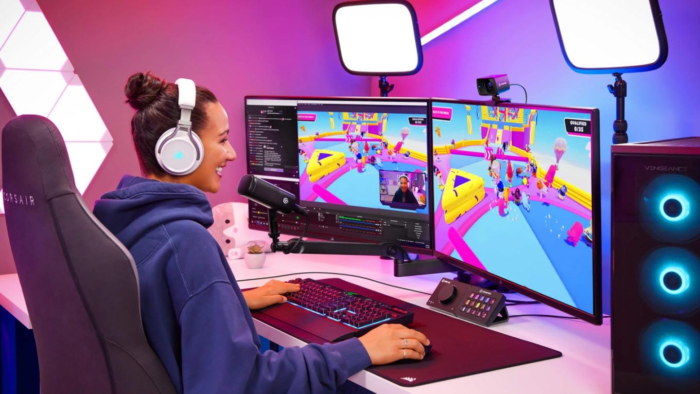
How AI Is Changing the Way Gaming Creators Work?
Producing a gaming article involves quite a few steps. A writer might spend an evening testing a new character build, another hour checking game updates, and several more hours putting everything into a readable guide. Video creators have their own workload, including recording, editing, adding captions, and preparing content for different platforms.
AI can take some of the pressure off these tasks. A creator covering a new multiplayer release, for instance, can use an AI assistant to organize notes about maps, weapons, and game modes. Instead of starting with a blank document, they have a rough structure to work from and can concentrate on the details players actually want to know.
Video production is changing too. Automatic transcription can turn spoken commentary into text, while editing features can help locate interesting moments in longer recordings. These options are particularly useful for smaller channels that don’t have a separate editor or research team.
Creating Better Game Guides and Walkthroughs
Players often turn to gaming websites when they get stuck. They might be looking for a hidden quest, a specific crafting recipe, the best weapon combination, or an explanation of a complicated boss fight. A useful guide answers the question without making readers search through several unrelated pages.
AI can help writers organize this information. For example, someone preparing a beginner’s guide to Minecraft could ask an AI assistant to structure sections about gathering resources, crafting essential equipment, building a shelter, and exploring the Nether. A similar approach works for RPG walkthroughs, strategy games, and survival titles.
However, game guides need to be accurate. An AI assistant might recommend an item that no longer exists after an update or confuse mechanics from different versions of a game.
Writers should test instructions themselves and check details against current gameplay before publishing. Screenshots and short video demonstrations can also make complicated steps easier to follow.
Using AI to Write Gaming Reviews
A good game review should tell readers something they won’t learn from a store description. They want to know whether combat feels satisfying, whether the story keeps their attention, and how the game performs after several hours. These observations come from playing, not simply collecting information online.
AI can help reviewers organize their impressions into a readable article. A creator might use it to arrange notes about graphics, controls, sound design, multiplayer features, and performance. It can also help identify gaps in a draft, such as forgetting to discuss accessibility options or technical problems.
The actual opinion should come from the reviewer. Consider a new multiplayer shooter: two players might appreciate the same graphics but disagree completely about weapon balance or matchmaking.
Those differences make reviews interesting. An article that simply repeats the game’s advertised features won’t help readers decide whether it is worth their time.
Why Originality Matters in AI-Assisted Gaming Content?
One problem with publishing large amounts of AI-assisted content is that different websites can start sounding remarkably similar.
Descriptions such as smooth gameplay, immersive environments, and exciting mechanics don’t tell readers much about what makes a particular game special. Gaming audiences are usually looking for specific experiences, not another collection of familiar descriptions.
Creators can make their articles more distinctive by including details from actual gameplay. Instead of saying that a boss fight is difficult, explain which attack caused problems or how changing equipment made the encounter easier. A short personal observation can give readers more value than several paragraphs of general commentary.
Editing also deserves attention. Writers who want to humanize AI text can use tools such as Clever AI Humanizer to refine AI-assisted drafts and improve their natural flow.
The final article should still be checked by its author, especially when it contains gaming terminology, personal opinions, or technical instructions.
Practical Ways to Use AI in Gaming Content Creation
Creators don’t need to change their entire production process to benefit from AI. Starting with one or two repetitive tasks is often enough to see whether a tool is useful. The best applications depend on the type of content being produced and the audience a creator wants to reach.
Here are a few examples:
- Research and brainstorming: Find potential topics based on questions players ask about a particular game.
- Game guides: Organize walkthroughs, character builds, equipment recommendations, and beginner tutorials.
- Video production: Transcribe commentary, prepare captions, and locate interesting moments in recordings.
- Social media: Draft descriptions for gameplay clips and prepare questions for community discussions.
- Article editing: Improve readability, remove unnecessary repetition, and check grammar.
- Content planning: Organize upcoming releases, review schedules, and recurring article ideas.
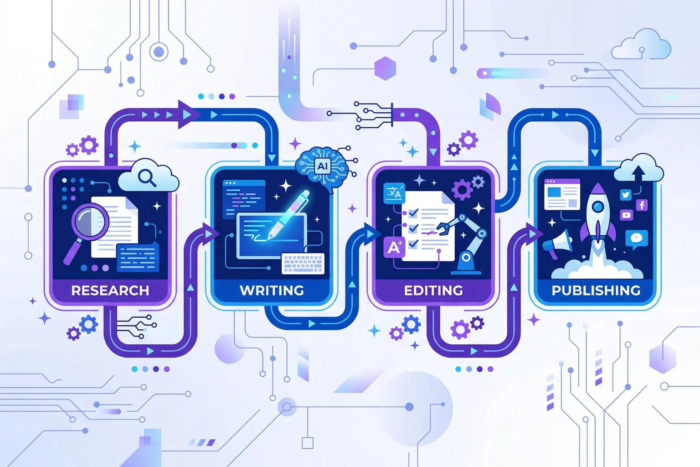
A practical workflow starts with the game itself. Play it, collect screenshots, write down useful observations, and decide what information readers need.
AI can then help organize those notes into an outline or first draft. Before publishing, check every important claim and make sure the article contains something that comes from your own experience.
Problems Gaming Creators Should Consider
AI-generated content isn’t automatically accurate or useful. A guide might look convincing while containing incorrect instructions, and a review might describe features that the author never tested.
Publishing this kind of material can damage a website’s credibility, particularly when readers rely on it to make purchasing decisions.
Creators can also use AI detection tools as part of their editorial process. For example, Clever AI Detector offers a way to examine text for patterns associated with AI-generated writing.
However, detection results should be treated as an indication rather than definitive proof of who wrote an article. Careful editing, fact-checking, and original gameplay observations remain essential.
There are other considerations, including copyright and platform requirements. Creators should check the licensing conditions for generated images, music, and voiceovers before using them in monetized content. They should also follow the disclosure rules of the platforms where they publish.
What Comes Next for AI and Gaming Content?
Gaming content is likely to become more varied as AI editing, transcription, research, and production features become part of everyday creator workflows.
Independent bloggers and smaller channels may find it easier to produce tutorials and cover new releases without spending every evening on repetitive editing tasks. That could also mean more competition for readers’ attention.
The creators who stand out will need more than fast production. Players want recommendations they can trust, guides that actually work, and reviews that explain both the good and bad parts of a game. A detailed walkthrough based on real testing will always offer something that a generic summary cannot.
AI is changing the production process, but the reason people read gaming content hasn’t changed much. They want help choosing a game, getting past a difficult level, or finding out whether a new release deserves their money.
Technology can make it easier to answer those questions, but the most useful answers still depend on someone who knows the game.
