
How March Madness Influences Player Activity Across Sports and Gaming Platforms
By Alex@PC╺
- PS4
- PS5
- XBox One
- Series X
- PC
Every spring, the sports world is swept up in the fast-paced frenzy of March Madness, the NCAA Men’s Basketball Tournament.
But it’s not just basketball fans who feel the impact — the effects of March Madness ripple across the broader entertainment landscape, including gaming platforms, fantasy leagues, and real-time engagement sites.
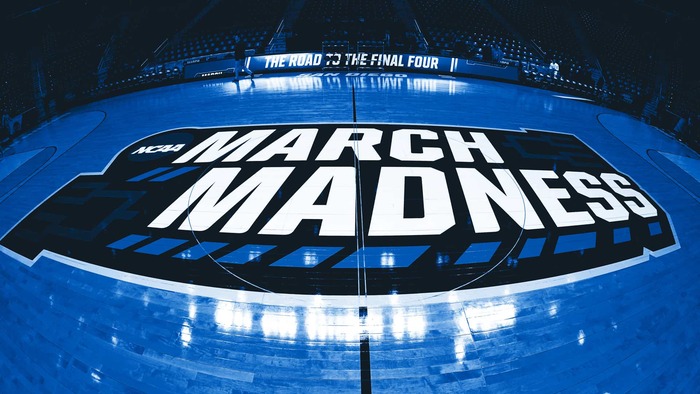
As college basketball captures national attention, it also triggers a noticeable shift in player behavior and digital traffic. From increased user activity on prediction platforms to surges in sports-themed video games, March Madness offers a unique lens into how major sporting events drive multi-platform engagement.
On the surface, March Madness is about buzzer-beaters and bracket-busting upsets. But for digital platforms, including those that track live player data, it represents a spike in interest, traffic, and activity.
Sites offering college basketball predictions, fantasy sports, and tournament-related content experience a sharp uptick in engagement, and that behavior extends into the gaming world as well.
A Surge in Sports Interest Across Platforms
March Madness isn’t just a basketball tournament — it’s a full-blown cultural event. It attracts millions of viewers, encourages casual fans to engage, and even brings non-sports audiences into the fold through brackets, fantasy games, and workplace pools.
As attention turns toward NCAA basketball, the ripple effect is visible across a range of digital ecosystems:
- Prediction platforms see increased traffic as fans research matchups and outcomes.
- Gaming platforms experience higher engagement with sports-themed titles.
- Player-tracking services like PlayerCounter notice changes in which games and content users are engaging with.
Many of these trends are driven by curiosity and emotional investment — fans want to be part of the action, whether by following predictions, updating their brackets, or playing a few virtual basketball games of their own.
Crossover Between Sports Fans and Gamers
There’s growing overlap between traditional sports fans and modern gamers. In fact, data shows that sports fans are more likely than average to engage with video games, particularly during peak seasons like March Madness.
This connection is most evident in the popularity of:
- Basketball simulation games
- Fantasy sports platforms
- Prediction-based apps
- Mobile games featuring NCAA-inspired content
According to a report from Deloitte, younger generations — especially Gen Z — are blending entertainment formats. That means they’re watching March Madness on one screen while playing a basketball game or updating their bracket on another.
This simultaneous engagement pushes up platform usage stats and keeps users active across multiple digital channels. For sites that track player activity, March is a key moment to observe how sports and gaming ecosystems interact.
The Bracket Effect: Predictive Tools as Engagement Engines
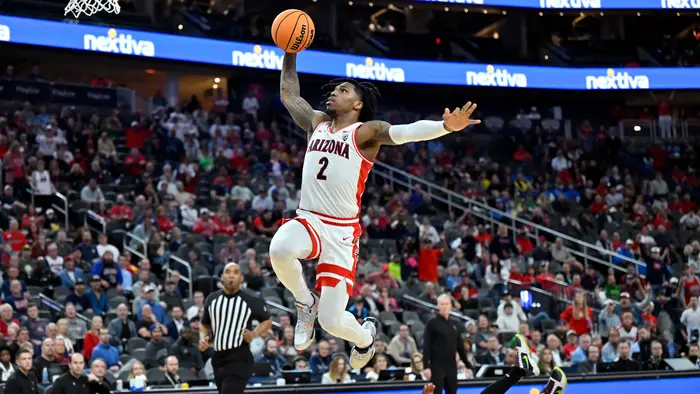
A major driver of March Madness traffic is bracket-building. Millions of people — from hardcore fans to first-time viewers — fill out brackets predicting each round of the NCAA tournament.
That desire to guess, compete, and share outcomes is also fueling interest in college basketball predictions, especially platforms that use data to forecast likely winners and point spreads.
Sites like Lines.com are seeing record levels of interaction during the tournament, as users seek an edge when filling out their brackets or following along. But more than that, predictive tools create a deeper level of engagement — they turn passive viewers into active participants in the sports ecosystem.
The same mentality carries over into gaming. Prediction and simulation mirror each other: both are driven by decision-making, reward anticipation, and time-based participation.
Sports-Themed Games See a Spike in Playtime
Another impact of March Madness is the temporary surge in popularity for basketball games and sports simulations. PlayerCounter data often reflects a noticeable bump in playtime for:
- NBA and college-style basketball titles
- Mobile sports apps with bracket-style tournaments
- Fantasy-style games that replicate real-world performance
Players don’t just watch — they want to experience the intensity of tournament play firsthand, even if virtually. Game developers often respond with time-limited events, seasonal themes, or college-inspired content drops.
These activations give fans a reason to log in, extending the March Madness energy beyond the broadcast and into the gaming world.
Fan Behavior During Peak Tournament Days
During high-stakes tournament games — especially Sweet 16, Elite Eight, and Final Four — online engagement patterns shift dramatically. Viewers are:
- Checking predictions before tipoff
- Logging into fantasy or simulation apps during halftime
- Sharing results and bracket statuses across social channels
For platforms like PlayerCounter, this creates unique traffic spikes and engagement patterns, especially in games or tools with a sports focus. It’s a perfect case study in how real-world events influence digital behavior.
What This Means for Game Discovery and Player Retentio
When major sports events like March Madness capture attention, they open doors for other forms of digital engagement. Players who jump into a sports game for the tournament may stick around if the game delivers:
- Progression-based systems
- Community features (leaderboards, social brackets)
- Time-limited achievements
That’s why March Madness isn’t just a media event — it’s a player acquisition opportunity for gaming platforms and sports apps. It fuels discovery and encourages deeper usage at a time when players are highly engaged and emotionally invested.
