
How Casino-Style Mechanics Are Shaping Competitive Online Games
By Alex@PC╺
- PS4
- PS5
- XBox One
- Series X
- PC
Open any modern competitive online game today, and you’ll likely find more than just headshots, high scores, or loot. You’ll see spinning wheels, random drops, flashy animations, and timed rewards. These aren’t just for show. They are casino-style mechanics, and they’ve found their way into nearly every corner of online gaming.
We’re not talking about actual gambling here. We’re talking about how developers use ideas from the world of casinos to make games more exciting, more rewarding, and more engaging. Whether you’re grinding in a shooter, building a deck in a card battler, or leveling up in a mobile RPG, chances are you’ve seen these systems in action.
Let’s dig into how they work, why they’re so effective, and what that means for the players who can’t stop clicking “spin.”
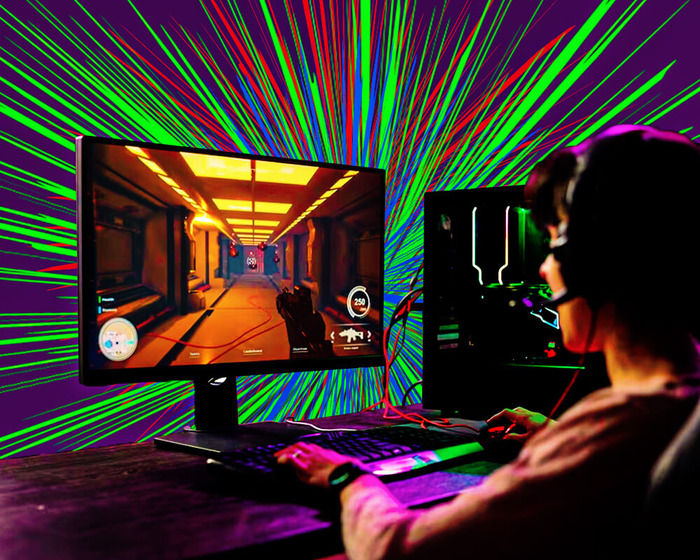
What Are Casino-Style Mechanics in Gaming?
Casino-style mechanics are features that mimic elements from traditional gambling. They include things like:
- Loot boxes or mystery packs
- Daily rewards and login streaks
- Gacha pulls
- Limited-time events
- Progress bars with random rewards
- Spin-to-win wheels
- Flashy win animations and sound effects
These mechanics rely on random chance, anticipation, and variable rewards — the same principles used in real casinos to keep players hooked. You don’t know what you’re going to get, and that makes you want to try again.
The psychology behind it? It’s called variable ratio reinforcement — a powerful trigger for repeat behavior. You get rewarded, just not every time. And that “maybe next time” feeling keeps players coming back.
Why Competitive Games Are Embracing These Systems?
You might expect these features in mobile games or social casino apps, but why are we seeing them in hardcore competitive games?
Simple: engagement.
When players open loot boxes or unlock mystery rewards, it creates short bursts of excitement. That excitement keeps people playing longer. And longer playtime often translates to more in-game purchases, more social sharing, and more community hype.
In ranked games or PvP formats, these mechanics offer an extra motivation. Sure, players want to climb the leaderboards — but unlocking rare cosmetics, titles, or exclusive content adds another goal. And more goals mean more reasons to stay logged in.
From Skins to Skill: Where the Line Gets Blurry
It’s not just about pretty skins anymore. In some games, casino-style features are tied to progression systems that affect gameplay. That’s where things get complicated.
For example, randomized card packs in digital card games can directly impact players’ ability to compete. If someone pulls a top-tier card early on, they have an edge. This introduces an element of luck into games that are supposed to be about skill.
While most game developers claim they keep things balanced, the reality is more nuanced. When rewards affect competitiveness, players with deeper wallets, or simply more time, can get ahead.
This is where the conversation starts to overlap with discussions around pay-to-win mechanics and fairness in online play.
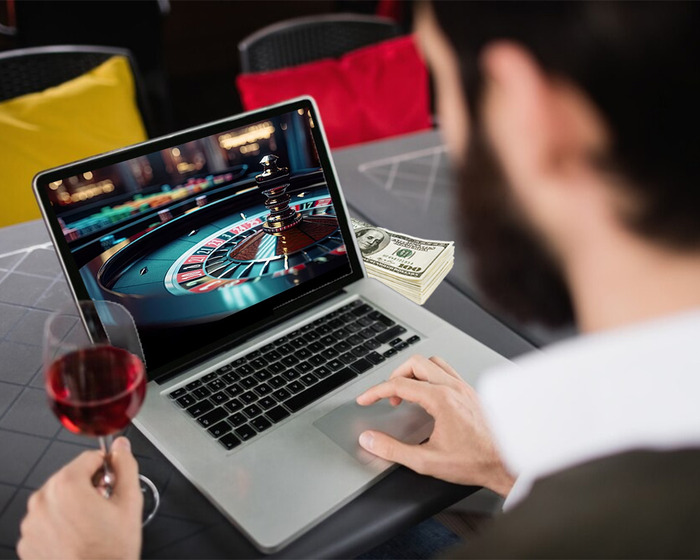
The Global Influence of These Systems
Casino-style mechanics aren’t tied to one region. They are used in games across North America, Europe, Asia, and beyond. Even in regions with tight gambling regulations, these mechanics find a way into games by rebranding themselves as “loot systems” or “surprise mechanics.”
You’ll even see discussions about how Aussie Casinos have influenced game developers globally when it comes to design, sound, and sensory feedback.
Some of the most engaging gaming interfaces take cues from real-world casino floors — flashing lights, instant feedback, rising tension, and satisfying win effects. While the games themselves may differ, the goal is the same: get players emotionally invested.
Player Behavior: Engagement, Burnout, and Addiction
Let’s be honest — these mechanics are incredibly good at what they are designed to do: keep you playing.
But they also come with risks.
Players can easily become hooked on the thrill of opening boxes or chasing event rewards. In some cases, people spend money chasing something rare, without any guarantee they’ll get it. Even when no real money is involved, the time investment can be massive.
Some gamers set alarms to log in during specific windows. Others grind daily tasks for weeks on end just to complete a progress bar. At a certain point, that’s not fun — it’s compulsion.
That’s why some game studios have started including time management tools, spending trackers, or “cool-down” features. But it’s still up to the player to recognize when the line between fun and obsession gets blurry.
Are These Features Here to Stay?
Short answer: yes.
These mechanics work for both players and developers. Players get excitement and surprise, and studios get retention and revenue.
That doesn’t mean every game will become a virtual slot machine. However, developers will keep borrowing from casino design principles as long as they create engagement.
Some studios are finding ways to do it without relying heavily on real-world spending or grindy unlocks. Battle passes, transparent odds, and cosmetic-only rewards are examples of how these systems can be implemented ethically.
What Players Should Keep in Mind?
If you are a competitive player, here are a few tips to stay balanced when dealing with these mechanics:
- Don’t chase every event or unlock — focus on what’s fun.
- Set spending limits and stick to them.
- If a feature feels more stressful than exciting, skip it.
- Look for games that clearly disclose odds or use cosmetic-only rewards.
- Talk to your community — many players feel the same way you do.
Remember: it’s okay to enjoy the thrill of a lucky pull or a rare drop. Just don’t let the system play you.
The Bottom Line for Competitive Gaming
The gaming world is changing fast. Casino-style mechanics are no longer just a niche feature — they are baked into the DNA of many modern games. While they can boost fun and engagement, they also come with trade-offs.
The challenge for developers is finding the balance between entertainment and exploitation. For players, it’s about recognizing how these systems affect their playstyle, habits, and even spending.
So next time you open a loot box or spin for a prize, take a step back and ask: Am I playing the game, or is the game playing me?
