
Can Social Casinos Improve Your Competitive Edge in Gaming?
By Alex@PC╺
- PS4
- PS5
- XBox One
- Series X
- PC
Social casinos are more than just a casual pastime; they provide a structured environment where skills can be practiced without pressure. These platforms, intended for entertainment purposes only, use virtual currencies and promotional credits, allowing users to experience slot, table, and card games without risking real money.
By removing financial stakes, social casinos help users focus on timing, game mechanics, and decision-making. This setup makes them ideal for testing strategies, identifying patterns, and building long-term habits. For users interested in improving performance across various gaming formats, the benefits are clear.
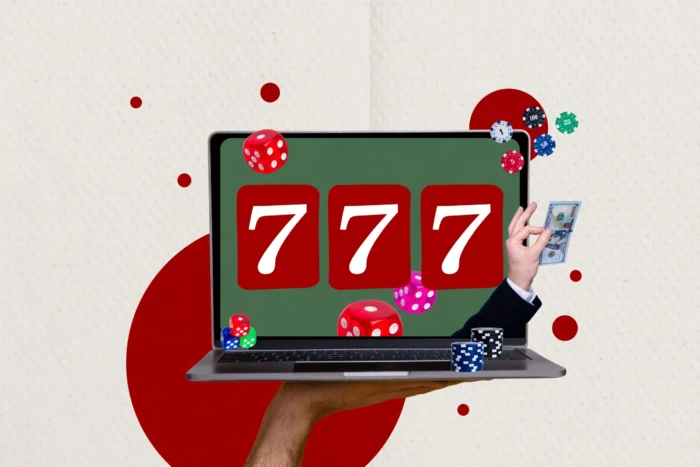
What Defines a Social Casino?
A social casino replicates common gambling formats but does so through non-monetary, sweepstakes-based systems where no purchase is necessary to enter or win.
Users typically receive non-redeemable virtual coins to access games for fun, while promotional sweepstakes models may provide separate redeemable credits that can be exchanged for real prizes, under specific legal frameworks.
The freedom to explore different game styles is a key feature of this model. Platforms like Smiles Social Casino excel here, offering over 800 game types from Megaways™ titles to scratch cards and instant-win rounds, so users can experiment without pressure.
The entire experience is built on a legal, risk-free system that uses Gold Coins for entertainment and Smile Coins for sweepstakes promotions.
Skill-Building Through Consistency
Repetition reinforces decision-making, especially in timing-based or probability-based games. When users enjoy poker or blackjack across hundreds of hands, they begin to respond instinctively to common scenarios. In slots, repeated exposure builds familiarity with volatility, bonus structures, and symbol behavior.
This consistency helps users develop both short-term recognition and long-term strategic thinking. Over time, users become faster and more efficient, relying less on guesswork. These changes mirror how skill acquisition works in high-level gaming or esports environments.
Peer Interaction Supports Adaptive Thinking
Social casino platforms often include multiplayer options, chat features, or cooperative challenges that allow users to learn from one another. Watching how other users handle turns, build streaks, or time their actions can influence personal decision-making. This informal peer-learning model strengthens adaptability.
When users analyze others’ behaviors and adjust their own accordingly, they start developing situational awareness. That kind of adjustment under changing conditions is a key factor in real-time interactive scenarios. Even without monetary stakes, these dynamics teach users to read, react, and evolve.

Habit Loops Encourage Discipline
Social platforms use login streaks, reward tiers, and timed challenges to keep users engaged. These systems create short-term goals and encourage users to develop routines around progress tracking. Instead of chasing money, users chase consistency and in-game accomplishments.
Over time, these habits become automatic, which helps users develop a gaming mindset based on structure and routine. In structured gaming formats, this kind of discipline often determines success. Social casinos provide a no-risk environment to build that mindset from scratch.
Transferable Skills and Broader Application
Many of the behaviors reinforced by social casinos apply to other types of games. Whether in a mobile puzzle app or a turn-based card battler, pattern recognition and resource management are universal skills. Even reaction time and focus carry over into fast-paced gaming environments.
Users also improve their ability to manage risk within game rules, maintain attention across long sessions, and react under pressure. These competencies benefit users far beyond the casino format. Skill-based learning, even in casual play, can shape how users perform in higher-pressure arenas.
Realistic Limits to Consider
While social casinos offer a strong foundation, they don’t prepare users for the psychological pressure of real stakes. High-level engagement involving actual rewards introduces tension that can’t be simulated through free play. Emotional regulation in high-risk settings must be trained separately.
Also, the game balance in social casinos often favors retention, with win rates and features calibrated for engagement. These differences must be considered when transitioning to platforms with stricter odds. It’s important to play responsibly and set limits to encourage healthy behavior. Awareness of these limits ensures that skill-building remains grounded.
Strategic Value in Structured Play
Social casinos give users the tools to build better habits, analyze outcomes, and adapt strategies without risking anything. Users learn through engagement, not through loss, making the experience constructive. Games are played for entertainment, but the benefits are measurable.
These platforms demonstrate how a wide game selection, consistent systems, and legally sound sweepstakes mechanics can support learning. With both variety and structure, they offer more than just a way to pass the time. For users seeking to grow as players, the opportunity is clear and structured.
