
Cryptocurrency and Gaming: What the Future Holds
By Alex@PC╺
- PS4
- PS5
- XBox One
- Series X
- PC
Gaming and crypto are growing together. That growth changes how you spend time and money in digital spaces. Blockchain gaming hit $21.6 billion in 2025. Analysts expect $1,270 billion by 2033. Those projections point to a real shift in how entertainment and money overlap.
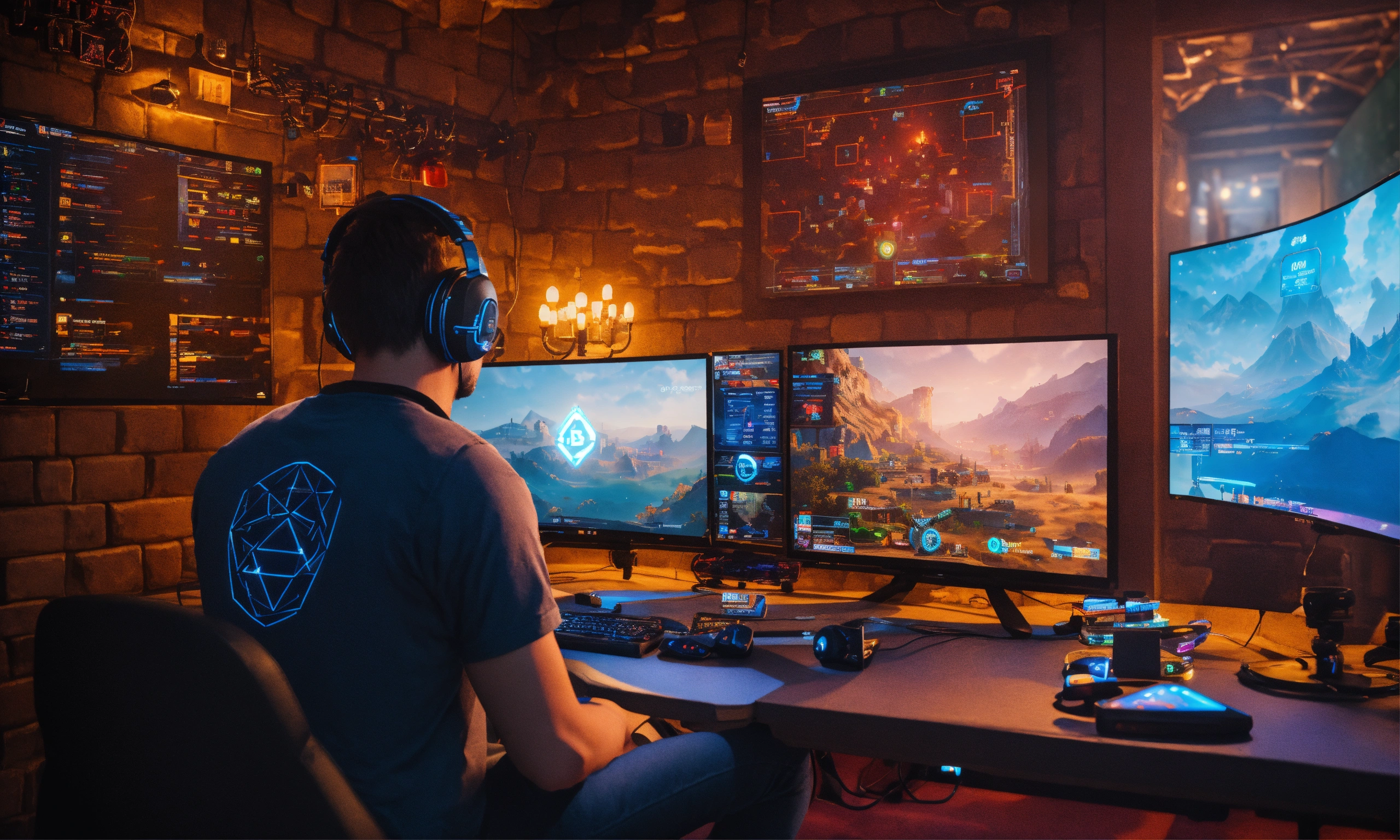
How Blockchain Changes the Game?
Traditional games lock your progress and items inside their servers. You spend hours earning rare weapons or skins, but you never truly own them. Blockchain gaming flips this model. Players earn tokens and assets they can trade outside any single game.
This “play to earn” model attracts millions worldwide. About 32% of blockchain gamers earn over $100 monthly from their gameplay. Some top earners pull in more than $600. You play games you like and leave with something worth actual money.
The same crypto infrastructure now powers everything from mobile RPGs to crypto casino platforms where players bet and withdraw using digital currencies.
Big publishers noticed. Ubisoft and Sega are testing blockchain features in their games now. When names like that get involved, people stop dismissing the whole thing as speculation. Most of this growth happens on phones. Over 73% of blockchain games run on mobile.
BTC and ETH Lead the Way
Bitcoin remains the preferred currency for many gaming transactions. Its established reputation gives players confidence when moving funds. Ethereum powers most gaming tokens through its smart contract system. ETH enables developers to create complex in-game economies that run automatically without middlemen.
About 54% of blockchain gamers in the United States already own crypto. Another 82% want crypto as a payment option for in-game purchases. Players prefer digital currencies. The data backs that up.
Crypto Casinos Gain Ground
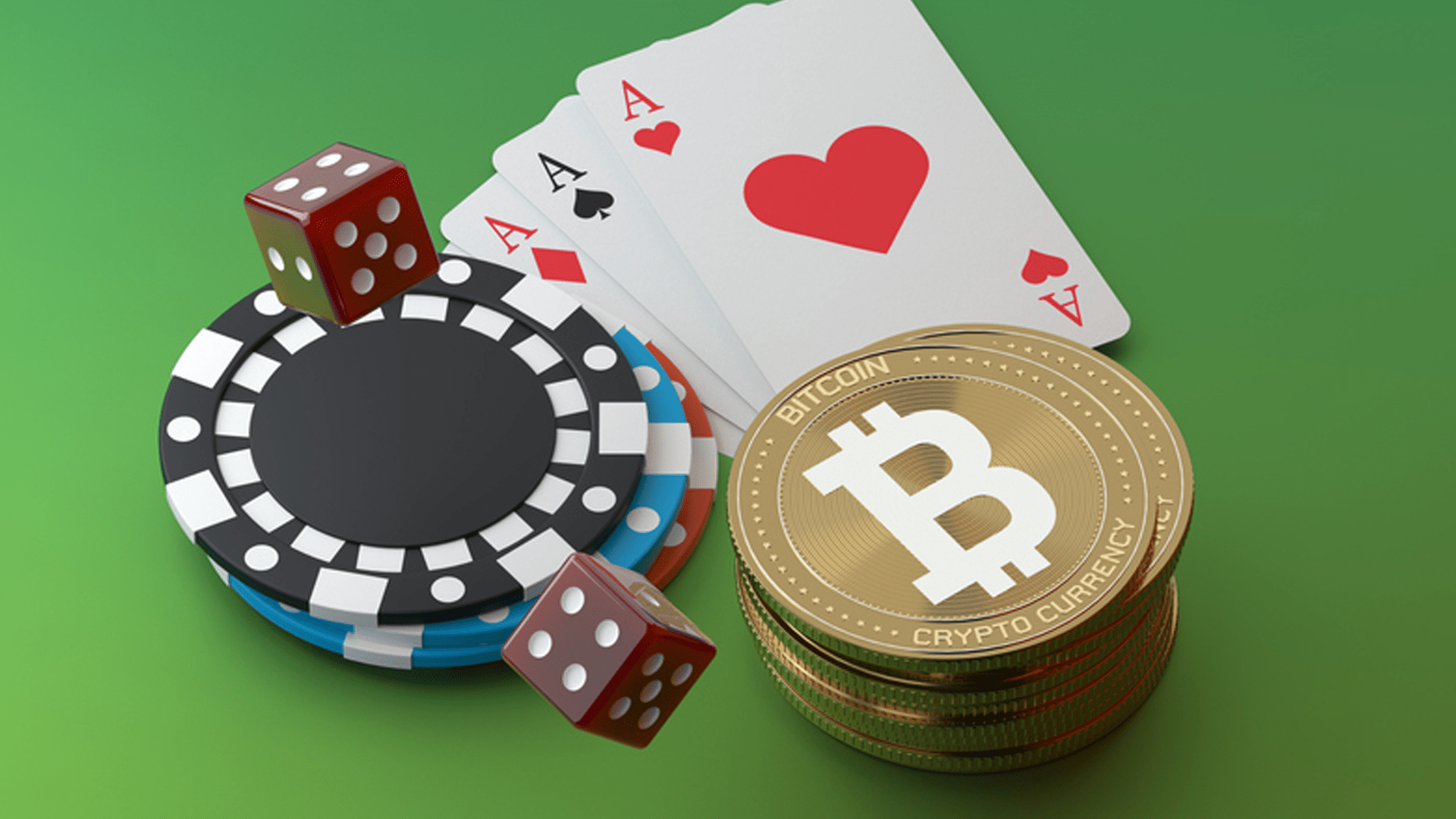
Gambling moved fast on crypto adoption. Deposits and withdrawals that took days now take minutes. You can bet with Bitcoin, Ethereum, Tether, or dozens of other coins. Speed alone makes crypto attractive here.
Privacy matters too. Most crypto casinos ask for an email address and nothing else. No bank statements. No verification delays. That works well for players in countries where traditional payment options are limited or blocked entirely.
Provably fair technology sets crypto gambling apart. Blockchain records every bet and outcome. Players can verify results independently rather than trusting the house alone. This transparency builds confidence in ways traditional casinos cannot match.
Challenges Ahead
About 40% of potential users say blockchain games are too complicated. Wallets, seed phrases, gas fees. It adds up. Developers know this and are working on easier entry points.
Regulation is the other problem. Nearly 28% of blockchain gaming companies dealt with regulatory questions this year. Governments are still figuring out how to classify digital assets and what protections consumers need.
Looking Forward
Five years ago, none of this existed. Now players earn money from their gameplay. Gamblers get faster payouts and more privacy. Developers build economies where participation pays off.
The infrastructure is getting serious investment. About 66% of blockchain gaming funding goes toward building out the backend systems. Less hype. More focus on what actually works.
You like video games or table games? Either way, crypto changes how you interact with digital entertainment. The platforms that combine gameplay with real financial value are the ones that will stick around.
