
GTCC Redefines the Playing Field for Filipino Card Games
By Alex@PC╺
- PS4
- PS5
- XBox One
- Series X
- PC
The GameZone Tablegame Champions Cup (GTCC) is raising the bar for Filipino card games, turning classic community favorites like Tongits into serious competitive formats.
With over ₱5 million in prizes and national visibility, the tournament is putting strategic cardplay at the forefront of Philippine gaming culture.

Held online in various locations across the country, the GTCC has become a battleground for the country’s best players in Tongits, Pusoy Dos, and Lucky 9.
More than just a tournament, the event is pushing for formal recognition of games that were once limited to perya tables and family gatherings.
In many ways, the GTCC reflects the evolution of Filipino gaming. Players are now training, studying, and competing with a level of intensity that rivals mainstream esports.
And with every shuffle of the deck, they’re reshaping how the country views Pinoy card culture.
The impact extends beyond the cards themselves. Local communities are organizing watch parties, fan groups are tracking stats and upsets, and content creators are streaming commentary and analysis.
The GTCC isn’t just elevating gameplay; it’s building an entire ecosystem around Filipino card strategy. With every tournament leg, the line between pastime and profession continues to blur.
From Backyard Game to National Stage
For decades, Tongits has been a constant in Filipino leisure, played in backyard gatherings, family reunions, and local fiestas. Its roots run deep, tied to memories of laughter, bluffing, and gut-feel tactics.
But the GTCC has shifted this dynamic, turning a casual favorite into a free multi-table tournament. With structured rounds, tournament-grade rules, and real-time marshaling, Tongits is now being played in ways that demand sharp focus and refined skill.
The GTCC didn’t just create a platform; it created a proving ground. Held in GameZone online, each GTCC leg invites players to battle it out in ranked formats, climbing from weekly matches to prestigious finals.
The transition from perya tables to podium finishes is a leap many players are making, with top contenders earning fame, respect, and a shot at ₱5 million in prize money.
But perhaps the most important shift is how players are responding to the structure. What was once a game of impulse has become a calculated contest. Discard rhythms are studied. Opponent habits are noted. Even timing decisions are practiced and honed.
These aren’t just players; they’re competitors, many of whom are veterans returning sharper or newcomers aiming to make a name in the scene.
This shift doesn’t erase the game’s cultural charm. It enhances it. In bringing the game to the national stage as a fully-fledged tongits tournament, GTCC hasn’t lost the spirit of barkadahan; it’s simply raised the stakes.
The response from local communities has been just as telling. Barangays that once held informal card sessions now find their best players training for GTCC qualifiers.
What used to be casual weekend matches have evolved into practice games, with players testing tactics under real pressure. Even online groups have emerged where players review tournament footage, share strategies, and build playbooks based on GTCC formats.
This cultural shift toward tongits MTTs (multi-table tournaments) is creating ripple effects far beyond the tournament floor.
There’s also a growing sense of national pride attached to GTCC participation. Players wear their qualifiers like a badge of honor, and hometowns rally behind local talent with surprising enthusiasm.
The GTCC isn’t just building careers; it’s building community spirit. Suddenly, a card game once dismissed as informal fun is gaining recognition as a platform for discipline, strategy, and Filipino excellence on a national scale.
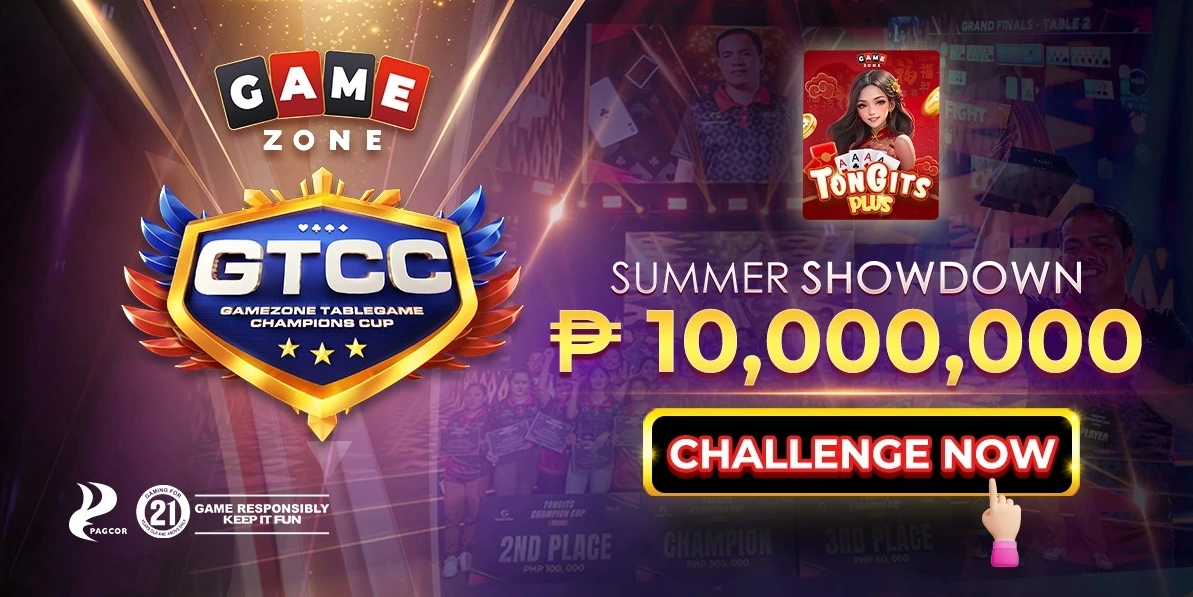
GameZone’s Commitment to Cultural Legacy
What makes the GTCC even more groundbreaking is the company behind it. Game Zone isn’t simply organizing a tournament; it’s redefining what it means to support Filipino-made games.
By building a professional-grade platform for a local favorite like Tongits, GameZone is signaling a clear commitment: that Filipino culture deserves structure, visibility, and celebration in the world of competitive gaming.
GTCC tournaments are run with a level of detail that mirrors global esports events. Every game is moderated by trained officials, matches follow official rulebooks, and players are held to a standard of sportsmanship and discipline.
But it’s not just about formality. GameZone casino has taken care to preserve the social spirit of Tongits, its quick tempo, its tension-filled pauses, and its uniquely Filipino banter. In short, the GTCC doesn’t Westernize the game; it uplifts it.
That balance is what draws both veteran card players and digital-native newcomers to the table. Some participants grew up playing Tongits under mango trees; others learned the ropes on the GameZone online platform.
The GTCC brings them together in an offline space where experience and innovation meet. It’s a celebration of the past, reframed for the future.
GameZone’s continued investment in GTCC, from high production values to meaningful prize pools, proves that this isn’t a passing experiment.
Each GTCC event now draws a larger audience, a wider player base, and even media attention. As the August Arena kicks off, it’s clear that what began as a bold idea has grown into a nationwide movement.
Game Zone online games have also made strides in accessibility and community engagement. By holding qualifying legs in various regions and keeping registration open to verified Filipino players of all levels, GTCC invites grassroots participation without diluting competitive standards.
Whether you’re a regular from a small-town circuit or a former online ladder-topper, there’s space and a legitimate pathway for you to rise. This democratization of entry has turned the GTCC into a true national stage.
In parallel, digital media has amplified the tournament’s cultural reach. Highlight reels, player interviews, livestreamed finals, and behind-the-scenes features have started to fill social platforms, helping newer players connect with the game’s excitement.
Through this, GameZone isn’t just hosting a tournament; it’s cultivating a lifestyle brand around Filipino card strategy.
The Legacy of GTCC
As the GameZone Tablegame Champions Cup (GTCC) continues to grow, it’s becoming more than a competition; it’s a cultural statement.
By putting structure around classic Filipino games like Tongits and Pusoy Dos, GameZone is legitimizing decades of tradition and reframing them as games of skill, intelligence, and prestige. The GTCC doesn’t erase the roots; it elevates them.
With each passing leg, new stories are written. A former barkada player becomes a ranked finalist. A hometown favorite becomes a national name.
And with a ₱5 million champion’s prize and more eyes watching each season, the stakes and the spotlight are only getting bigger.
For every player, enthusiast, or curious newcomer, the message is clear: the future of Filipino card play is here, and it’s wearing the GTCC badge.
