
From Strategy to Storytelling: The Rise of Myth-Inspired Game Worlds
By Alex@PC╺
- PS4
- PS5
- XBox One
- Series X
- PC
Why Myth-Inspired Worlds Feel so Familiar?
Mythology appears everywhere in modern digital games, from long-form adventures to quick, spin-based titles.
Players often know the names, symbols, and legends already, so they step into these worlds with little explanation. That familiarity lets designers focus less on tutorials and more on how pacing, visuals, and sound bring a theme to life.
In slot-style games, this mix of clarity and spectacle stands out. Behind the scenes, the rules still revolve around numbers and feature triggers. On the surface, however, gods, relics, and magical locations turn each round into a short story instead of a plain grid of fruits or bars.
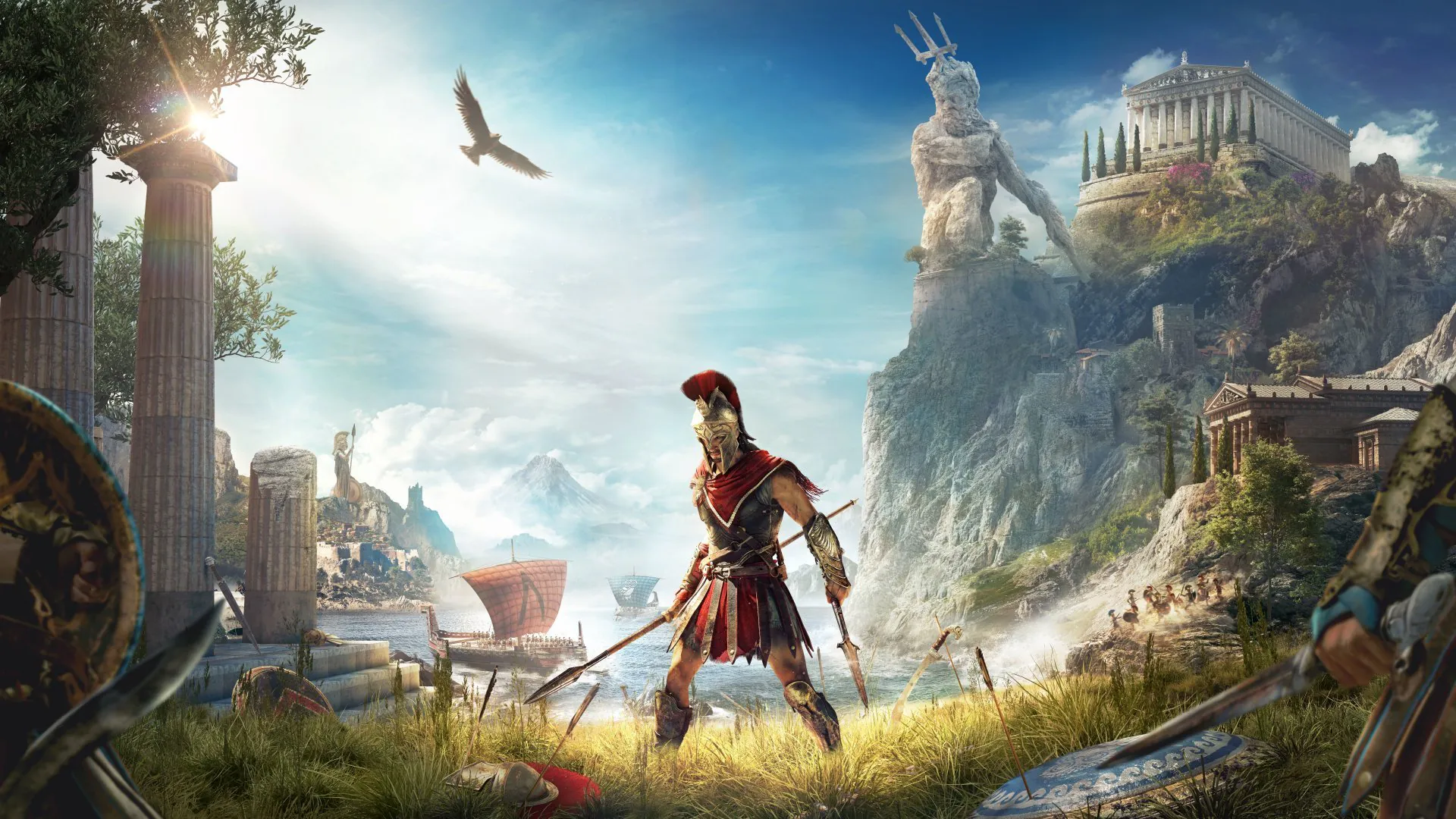
From Ancient Myths to Modern Reels
Classic myths come with heroes, monsters, and signature objects that convert neatly into symbols. Greek stories give designers thunderbolts, crowns, and laurel wreaths, while Norse or Egyptian tales add ravens, scarabs, and temple silhouettes.
When these elements land on the reels, players immediately sense that something important is happening, even before checking the rules.
One clear example is a Greek-style title where Zeus stands beside glowing gemstones, tumbling symbols, and bursts of lightning.
The Gates of Olympus slot review on Sportzino shows how that theme ties together the scatter-pay layout, special icons, and multiplier effects. By turning familiar gods and artifacts into visual cues, the game keeps the action easy to follow while still feeling larger than life.
From Strategy-Heavy Games to Story-Led Worlds
Earlier slot-style experiences focused almost entirely on basic icons and simple patterns. Many players looked mainly at number tables, working out how often certain combinations might appear and how to manage spin sizes over time. Theme mattered, but it often behaved like wallpaper rather than a guide.
Modern myth-inspired titles use story to explain what complex features do. Character actions line up with multipliers or random modifiers, while music and animations rise and fall with the tension on screen. Storytelling picks up much of the teaching work, so players can follow a session without reading dense explanations first.
Why Myth-Inspired Worlds Work so Well?
Myths do more than decorate the screen; they provide built-in structure. Gods test mortals, quests demand progress, and relics carry risk and reward. Those patterns mirror the ups and downs of spin-based play, so the theme and the mechanics naturally support each other.
Three advantages stand out.
- Instant recognition: Heroes, villains, and sacred objects are easy to spot at a glance.
- Built-in drama: Tales of conflict and triumph match peak moments like feature triggers and bonus rounds.
- Visual variety: Ancient temples, stormy skies, and glowing artifacts fill the screen with detail without making it harder to read.
How Developers Turn Myths Into Playable Stories?
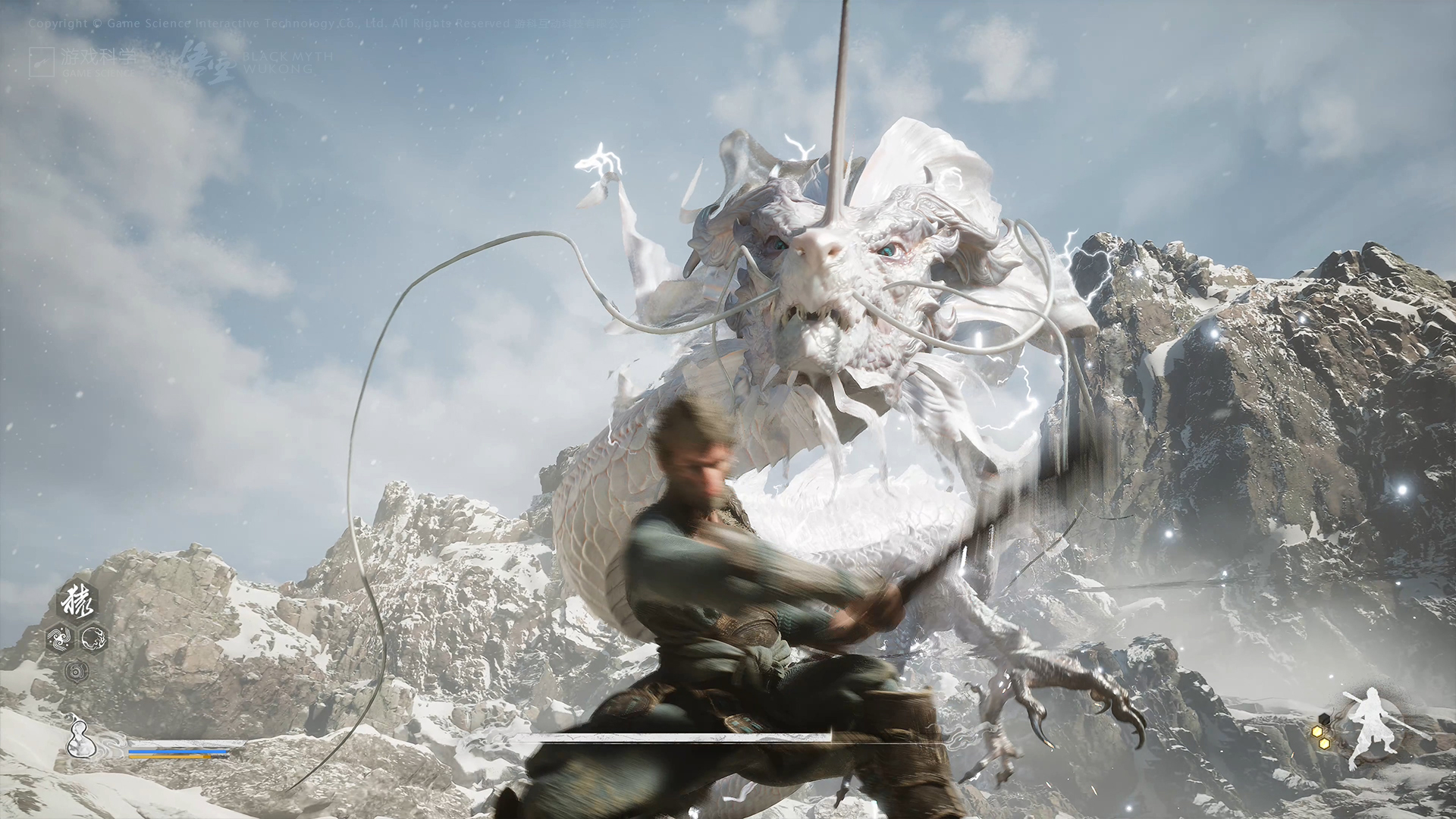
Turning a legend into a smooth, digital experience starts with careful choices. Studios pick a single god, pantheon, or quest and decide which moments belong in the symbols, which belong in the backdrop, and which should appear only in sound or short animations. Every element has to support the same idea: keep the world dramatic, but keep the reels readable.
Art teams frame the grid with clear shapes and silhouettes so that even busy scenes remain easy to scan. Design teams then align mechanics with the narrative.
Cascading symbols can echo falling lightning or a shower of coins from the gods, while random modifiers feel like sudden twists of fate.
Ultimately, when visuals and rules tell the same story, every spin feels like one more step in an ongoing adventure.
What Myth-Inspired Worlds Mean for Different Players?
Strategy-first fans often appreciate myth-inspired worlds because distinct symbols and feature cues make complex layouts easier to track. Story-first players, including many fans of console and mobile adventures, look for mood, character, and a sense of progression during short sessions.
For both groups, myth themes offer a familiar gateway into fast, spin-based formats.
Where Myth-Inspired Game Worlds Go Next?
Myth-inspired games solve several design challenges at once, providing clear goals, strong emotions, and recognizable symbols. As technology improves, these worlds can add more reactive backgrounds and branching animations.
Myth themes are likely to keep evolving, but their central role remains the same: turning raw mechanics into stories that stay in mind long after the screen fades.
