
Crypto Casinos: The Wild West or The Future? A Veteran’s Honest Take
By Alex╺
- PS4
- PS5
- XBox One
- Series X
- PC
Look, I’ve been around the block. I remember when “online gambling” meant downloading a sketchy .exe file and praying your credit card details didn’t end up on a dark web forum.
Now we have crypto casinos. They’re flashy, they’re fast, and they promise the kind of anonymity that makes old-school bank transfers look like public records. But let’s cut the marketing fluff for a second. I’ve burned enough Ethereum on high-volatility slots to tell you the difference between a gold mine and a landmine.
If you’re thinking about ditching fiat for Bitcoin, Litecoin, or even Doge (yes, people actually bet with that), here is the raw truth. No corporate jargon. Just the reality of the game.
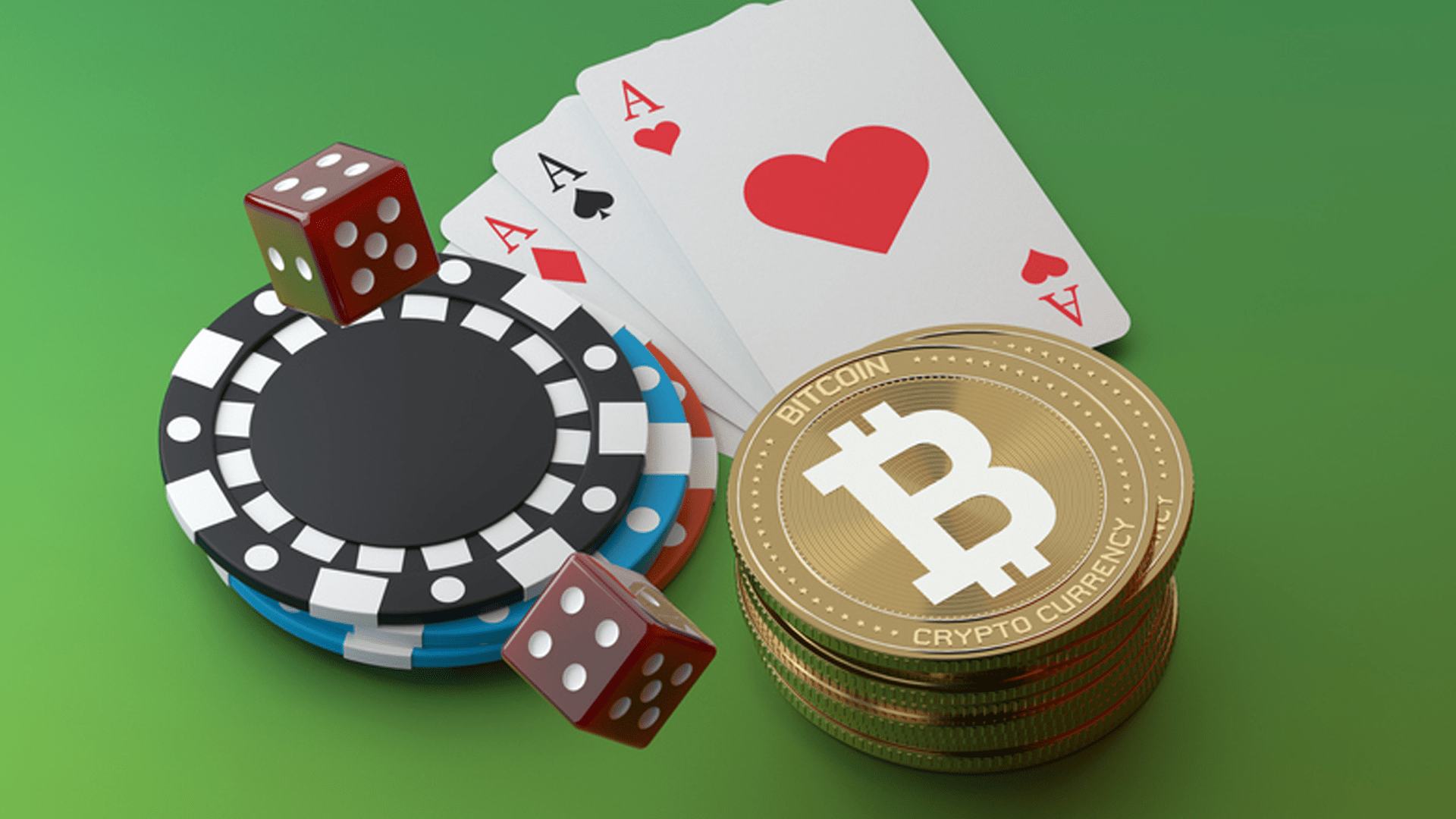
The Speed is Addictive (And Dangerous)
The biggest selling point isn’t “privacy.” It’s speed.
If you’ve ever hit a decent win on a traditional site, you know the pain. You click withdraw. Then you wait. You send in your passport photo. You wait some more. Three days later, the money hits your bank—if you didn’t get bored and reverse the withdrawal to play it back.
Crypto changes that dynamic entirely.
I played a session last Tuesday on a site running on the Solana network. I hit a lucky streak on a crash game (don’t ask, pure luck), cashed out, and the funds were in my Phantom wallet before I could even close the browser tab.
That speed is fantastic, but it’s a double-edged sword. When you can deposit and reload in seconds, “chasing losses” becomes terrifyingly easy. There is no friction to slow you down.
Volatility: The Hidden House Edge
Here’s something the banners won’t tell you. When you gamble with crypto, you are effectively gambling twice.
- You are betting against the casino (and the house always has the edge).
- You are betting on the price of the coin itself.
I once won about $2,000 worth of Bitcoin in a poker tournament back in 2021. I felt like a genius. I left it in my casino wallet for a week. By the time I withdrew, the market had dipped 15%, and my “win” had shrunk significantly without me placing a single extra bet.
The Fix: If you want to play safe, stick to stablecoins like USDT or USDC. It’s boring, I know. But at least you know $100 won is actually $100 when you wake up the next morning.
“Provably Fair” – Marketing Gimmick or Real Deal?
You’ll see this term plastered everywhere. “100% Provably Fair!”
Is it real? Yes.
Do most players understand it? No.
Think of Provably Fair like a digital receipt. In a standard slot, you trust the regulator (like the UKGC or MGA) to check the math. in a Provably Fair game, the math is open-source. The server creates a “seed” (the outcome), sends you a hashed version of it, and then you add your own “client seed.”
It means you can mathematically prove the casino didn’t cheat that specific spin.
Does this guarantee you’ll win? Absolutely not. A fair game can still drain your bankroll if the RTP (Return to Player) is low. It just means they didn’t cheat you to do it.
Where to Actually Play?
This is the hard part. The crypto space is flooded with unregulated sites. I’ve seen casinos launch on a Monday and disappear by Friday with everyone’s deposits. You need to be extremely picky.
For a solid breakdown of the operators that have actually stood the test of time (and paid out big wins without “technical issues”), check out the PokerTube crypto casinos guide. They do a good job of filtering out the rug pulls from the legit contenders.
The Red Flags I Always Look For
Over 15 years, I’ve developed a sixth sense for scams. If you see these signs, close the tab immediately:
- 100% Anonymous with Zero Limits: If a site handles millions of dollars but asks for zero info ever, be careful. Even crypto casinos have to follow some anti-money laundering rules eventually.
- “Guaranteed” Investment Returns: A casino is for gambling, not investing. If they promise you a yield on your deposit, it’s a Ponzi scheme.
- Broken English in T&Cs: I don’t mean a typo here and there (we all make them). I mean Terms and Conditions that look like they were Google Translated from a toaster manual.
The Gas Fee Trap
A quick heads-up for the Ethereum crowd. I love ETH, but using it for small deposits is a nightmare.
I once tried to deposit $50 into a casino to test a new blackjack table. The gas fee (the network transaction cost) was $18. That is nearly 40% of my bankroll gone before I even saw a card.
If you’re a low-stakes player (grinding $0.50 spins), stay away from Ethereum layer-1. Use Litecoin (LTC), Ripple (XRP), or Tron (TRX). The fees are basically pennies. You’ll thank me later.
A Final Word on Responsibility
I write this as someone who loves the industry. The lights, the sounds, the rush of a bonus round—it’s great entertainment.
But crypto casinos remove the guardrails. There are no “cooling-off” periods unless you set them yourself. There are no bank managers calling to ask if you really meant to send that transfer.
It is just you and the algorithm.
Set a budget in fiat terms (e.g., “I will lose $50 today”), buy that amount of crypto, and never touch your main investment portfolio. When the fun stops, or when you find yourself staring at a price chart hoping for a pump to cover your losses, walk away.
The blockchain is permanent. Your mistakes don’t have to be.
