
How Esports Communities Keep Games Alive
By Alex╺
- PS4
- PS5
- XBox One
- Series X
- PC
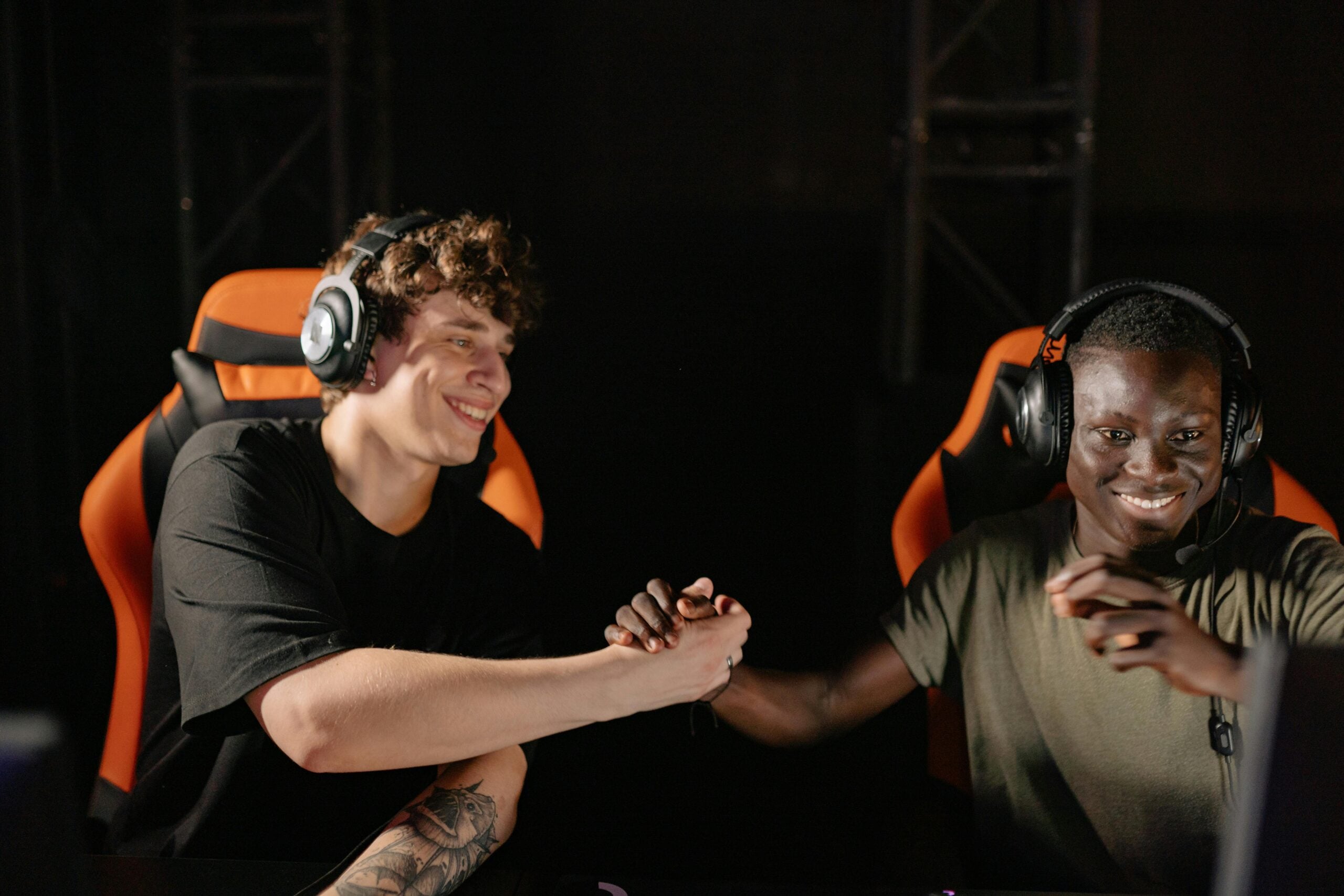
The lifespan of competitive games increasingly depends less on developer support than on the strength of their player communities. While publishers provide initial infrastructure, the transition from launched product to enduring competitive ecosystem relies on communities building self-sustaining engagement structures.
Games like Counter-Strike, StarCraft, and Super Smash Bros. have maintained competitive relevance for decades through passionate communities creating grassroots tournaments, educational content, and social frameworks that perpetuate competitive interest across generations.
The Tournament Ecosystem Foundation
Competitive games die without regular competition. The most critical function esports communities perform is organizing tournament infrastructure that provides consistent competitive opportunities. Community-run tournaments generally operate on passion rather than profit, but they are no less valuable for that.
Organizers invest hundreds of hours coordinating logistics with minimal financial compensation. This volunteer labor creates competitive opportunities at scales that purely commercial tournament structures cannot sustain.
The community tournament ecosystem also feeds professional scenes. Most professional players began in community-run events before graduating to sponsored competitions. This talent pipeline ensures continuous competitive renewal.
Building Spectator Infrastructure
Community-sustained games develop their own spectator ecosystems that parallel professional sports viewership. Tournament streams, match analysis broadcasts, and player highlight compilations create content that attracts audiences beyond active players.
This spectator infrastructure proves essential for long-term game sustainability as games people enjoy watching maintain cultural relevance even as individual players come and go.
The spectator layer also creates engagement opportunities for non-competitors. Platforms providing esports betting odds like Thunderpick demonstrate how community-driven competitive scenes can support diverse forms of engagement.
The platform has detailed info on match winners, map scores, and tournament outcomes, enabling spectators to maintain heightened engagement in competitive results.
The availability of esports betting odds for grassroots-organized tournaments signals that community efforts have created competitive environments with sufficient consistency and integrity to support predictive analysis.
When spectators can engage with matches in this way, it transforms passive viewing into active participation, driving viewership numbers that help sustain tournament streams, sponsor interest, and overall competitive visibility.
This spectator participation creates virtuous cycles – higher viewership attracts better sponsors, which enables larger prize pools, which attracts more skilled competitors, which produces higher-quality matches that draw more spectators.
Content Creation and Knowledge Preservation
Competitive games require extensive strategic knowledge that communities must preserve. Without active knowledge preservation, strategic insights disappear as veteran players retire.
Community content creators serve as knowledge custodians. Tutorial makers produce guides explaining optimal strategies. Analysts create match breakdowns.
Historians document competitive evolution. This content creation operates without commercial incentives. Most community educators receive minimal compensation, motivated by a genuine desire to help others improve.
Social Cohesion and Cultural Identity
Successful esports communities develop shared cultural identities that transcend gameplay. Inside jokes, legendary moments, and traditions create social cohesion beyond competitive interest. This cultural layer provides emotional investment that the mechanics alone cannot sustain.
Players maintain involvement partly because they value community relationships and shared history. Community culture also establishes informal governance.
Respected members develop influence, enabling coordinated action – setting tournament standards, establishing norms, resolving disputes.
Technical Infrastructure Maintenance
As games age, official support infrastructure often degrades. Community members frequently step in to maintain the technical foundations necessary for continued competition.
This includes server hosting, developing custom matchmaking systems, creating balance patches, and building anti-cheat systems.
These contributions require specialized skills and significant time investment. Games like CS 1.6 maintained competitive scenes for over a decade after official support ceased, sustained entirely through community infrastructure.
Player Development Pathways
Communities create structured player development pathways, and this includes organizing tiered competition, establishing mentorship programs, and creating training resources. These structures solve problems that matchmaking algorithms alone cannot address.
The combination of competitive opportunity and developmental support dramatically improves skill acquisition. By continuously cultivating new talent, communities ensure competitive quality remains high, even as players age out of participation.
Bridging Developer-Community Relationships
Healthy esports communities facilitate communication between players and developers. Community leaders aggregate player sentiment and communicate priorities more effectively than scattered individual feedback. And this benefits both developers and players.
Developers receive actionable feedback from credible representatives. Players gain influence through collective voice. Communities sometimes preserve competitive rulesets that differ from official standards when developers introduce controversial changes.
Conclusion
Esports communities keep games alive by providing the tournament infrastructure, content creation, knowledge preservation, social cohesion, technical maintenance, player development, and developer communication that transform launched products into enduring competitive ecosystems.
This community labor operates primarily through volunteer efforts motivated by passion. The model demonstrates how committed groups can sustain complex systems through distributed coordination.
As games continue to evolve and develop, we are likely to see more of this community involvement, particularly in guiding how games are maintained and enhanced.
It’s amazing how the internet has helped us overcome geographical restrictions to create global communities across the gaming spectrum.
