
The Difference Between Casual Multiplayer and Esports Games
By Alex╺
- PS4
- PS5
- XBox One
- Series X
- PC
Multiplayer gaming spans a wide range of experiences, from relaxed matches with friends to highly competitive tournaments watched by millions.
Understanding the difference between casual multiplayer and esports games helps players choose the experience that suits their style and goals.
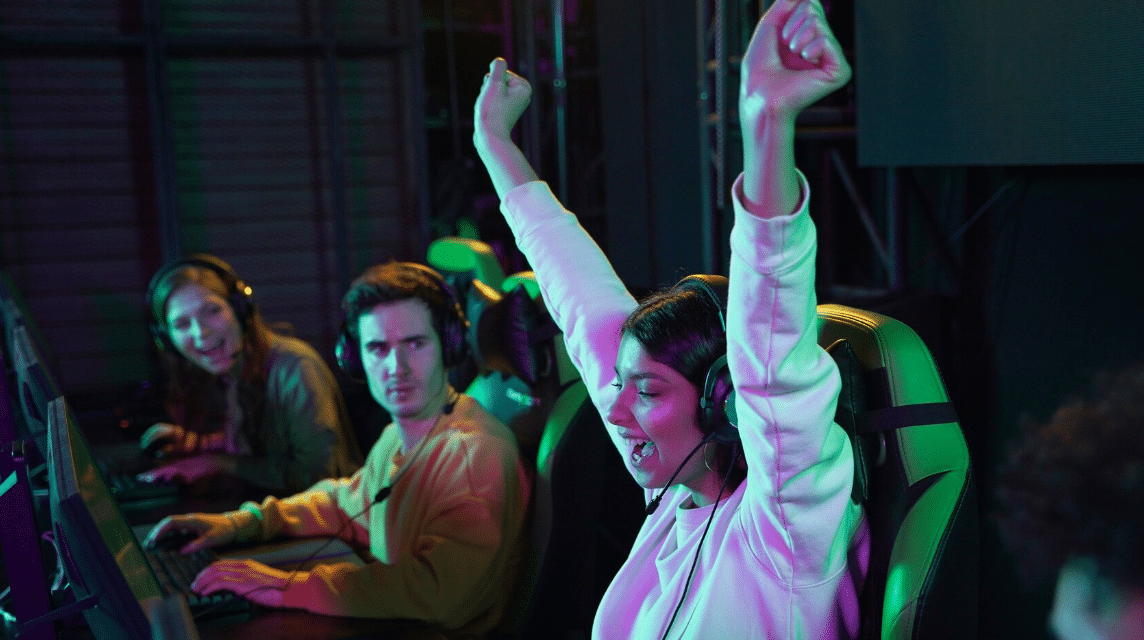
Casual multiplayer titles focus on accessibility and enjoyment. Players can jump into matches without extensive preparation, and the learning curve tends to be gentle. In contrast, esports games emphasize skill, precision, and consistent performance under pressure.
As gaming ecosystems grow, access to content has become more flexible. Players often explore different payment methods, and options like a Battle.net Store gift card show how purchasing habits evolve alongside gameplay preferences.
Accessibility vs Competitive Depth
Casual multiplayer games prioritize ease of entry. Tutorials are simple, controls feel intuitive, and players can start playing almost immediately. The focus remains on fun interactions rather than mastery.
Esports titles demand a higher level of commitment. Players spend time practicing mechanics, studying strategies, and refining their skills. Matches often require quick decision-making and strong teamwork.
This difference shapes how players engage with each type of game. Casual experiences allow for relaxed sessions, while esports environments encourage long-term improvement.
Game Design and Structure
Game design reflects the intended audience. Casual multiplayer games often include forgiving systems, shorter match times, and flexible objectives. Players can leave and return without significant consequences.
Esports games follow a more structured approach. Matches are balanced to reward skill and strategy, and ranking systems track player performance over time.
Developers design these systems to maintain fairness and competitiveness. Small adjustments can have a significant impact on gameplay balance.
Community and Player Motivation
The communities surrounding these games also differ. Casual multiplayer players often seek social interaction and entertainment. Playing with friends or meeting new people becomes part of the experience.
Esports communities revolve around competition. Players aim to climb rankings, join teams, or compete in tournaments. This environment fosters dedication and continuous improvement.
At this point, it helps to connect player motivation with how they approach spending on games.
Budget gaming refers to a value-focused approach where players enjoy games without spending heavily on expensive hardware or full-price releases. Many players use platforms like Eneba to support this strategy, as it offers discounted game keys across a wide catalog.
Prices remain competitive, and digital codes are available instantly after purchase, giving players quick access to their games. Listings clearly show platform and region details, including Global or region-locked information, so buyers know compatibility before checkout.
Eneba operates a controlled marketplace where merchants are verified, required to meet compliance and sourcing standards, and monitored regularly, with secure payment systems in place for added confidence.
This mindset aligns with both casual and competitive players who want value without compromising access.

Skill Progression and Time Investment
Casual multiplayer games allow players to improve naturally over time. Progression feels relaxed, and there is no pressure to perform at a high level.
Esports titles require consistent practice. Players often dedicate hours to mastering mechanics, learning maps, and understanding team dynamics.
This difference in time investment plays a major role in how players choose their games. Some prefer quick sessions, while others enjoy the challenge of long-term skill development.
Entertainment vs Professional Aspirations
Casual multiplayer games focus on entertainment. Players log in to unwind, connect with friends, or explore new experiences.
Esports games open the door to competitive opportunities. Skilled players can participate in tournaments, join professional teams, or build an audience through streaming.
These distinct goals shape the overall experience, influencing everything from gameplay design to community engagement.
Conclusion
The difference between casual multiplayer and esports games lies in accessibility, design, and player intent. Casual games emphasize ease of use and social interaction, while esports titles focus on competition and mastery.
Both types of games play an important role in the gaming landscape, offering experiences that cater to different preferences. As players explore these options, flexible access to games becomes increasingly valuable.
Digital marketplaces like Eneba offering deals on all things digital reflect how players can enjoy both casual and competitive gaming while managing their spending effectively.
