
The Hidden Ways Regional Cultures Influence Steam Game Libraries Worldwide
By Alex╺
- PS4
- PS5
- XBox One
- Series X
- PC
Anyone who browses a global digital store knows Steam’s game selection never looks quite the same from one country to the next.
Spending just an afternoon comparing what’s visible for Steam users in Europe, Asia, or Latin America reveals something deeper: regional differences aren’t just about language. They’re shaped by local taste, government policies, and what each area’s communities genuinely want to play.
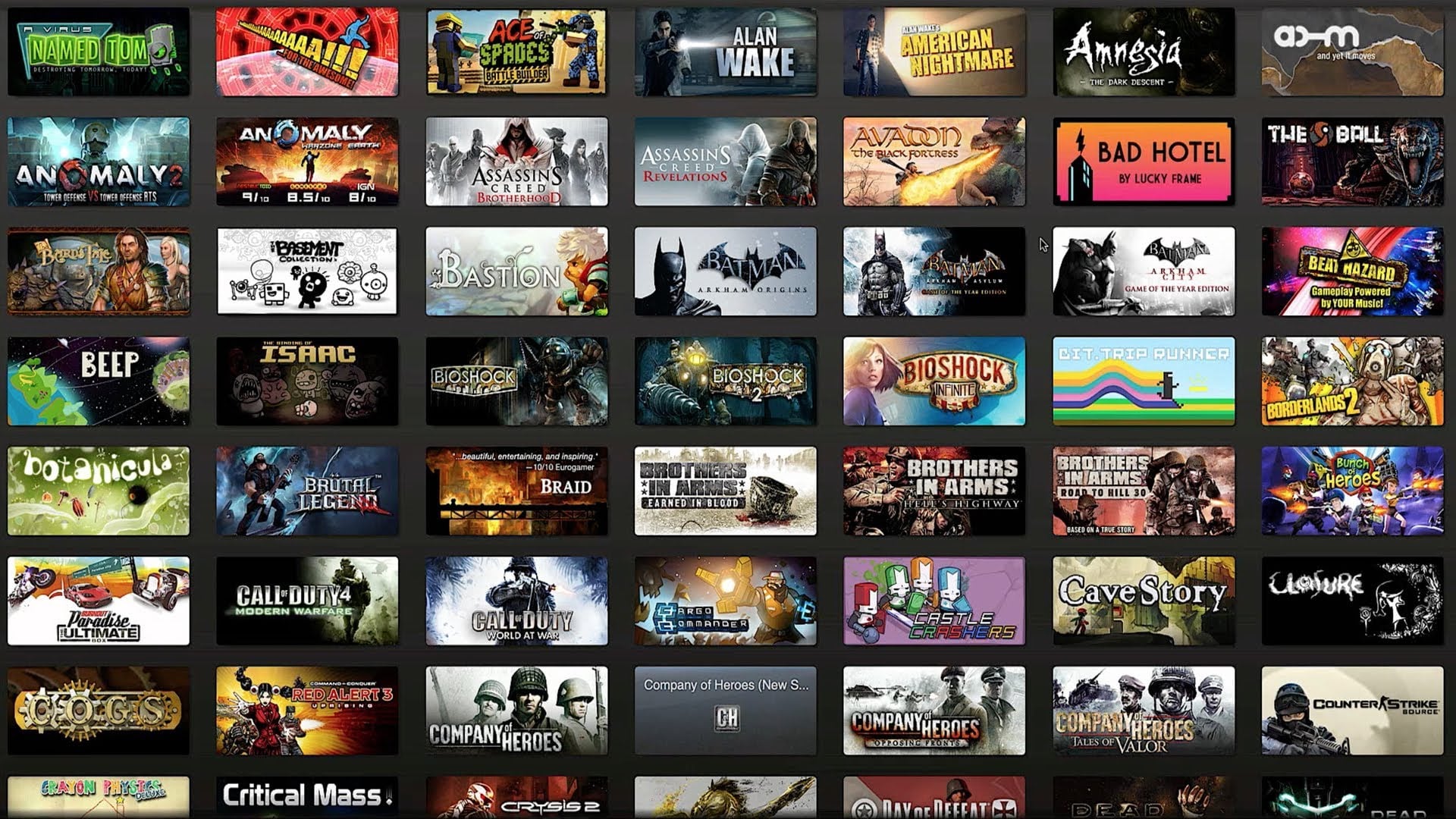
These differences impact not just which titles appear, but also release windows, discounts, and even genre popularity. Sometimes a hit strategy game dominates in central Europe, but slips quietly under the radar elsewhere.
This ripple effect is also visible in the way players try to access those diverse libraries, one reason third-party marketplaces have surged in popularity.
Many now hope to buy Steam games cheaper through transparent online platforms, hunting for deals that mirror their specific regional situation or appeal to their cultural favorites.
Steam Keys and What Shapes Their Value
Game key prices echo regional economics. Publishers adjust prices to reflect local affordability or demand, not just to match a global “median.”
It’s why a newly released action game might cost a fraction in Poland or Brazil compared to the US. For some, this sparks curiosity: is it really possible to expand a Steam library at a lower cost simply by shopping internationally?
The answer is more complicated than a simple yes or no, because availability, regional locks, and the ethics of cross-border shopping all play a part.
The question often comes up: is Eneba good for buying Steam keys? A good platform always shows crystal-clear region tags so buyers don’t stumble into incompatibility. It should also make seller ratings easy to check and let people compare different merchants for the best deal.
On Eneba, verified merchants and ongoing oversight aim to keep the marketplace safer, while clear product listings help buyers avoid mismatches between account region and purchased key. Having that information in one place builds much-needed trust for anyone exploring a broader catalog.
How Local Trends and Rules Shape What You See?
It’s easy to assume that big blockbuster releases dictate everything, but often, country-specific restrictions or mainstream preferences hold more sway. Some countries block violent games outright, while others have different age ratings that let more experimental titles rise up the charts.
Social gaming surges in some regions, while single-player experiences stay dominant in others. Regional cultures can favor quirky indie creativity, retro nostalgia, or competitive shooters, causing storefronts to twist and adapt to each crowd.
The result is a patchwork Steam experience across borders. For a player in South Korea, for example, rhythm and strategy games might dominate suggestions.
In Scandinavia, narrative-driven entries and strong indie offerings often stand out. That cultural force shapes not just what’s available, but also which games see frequent sales or even get bundled together for local tastes.
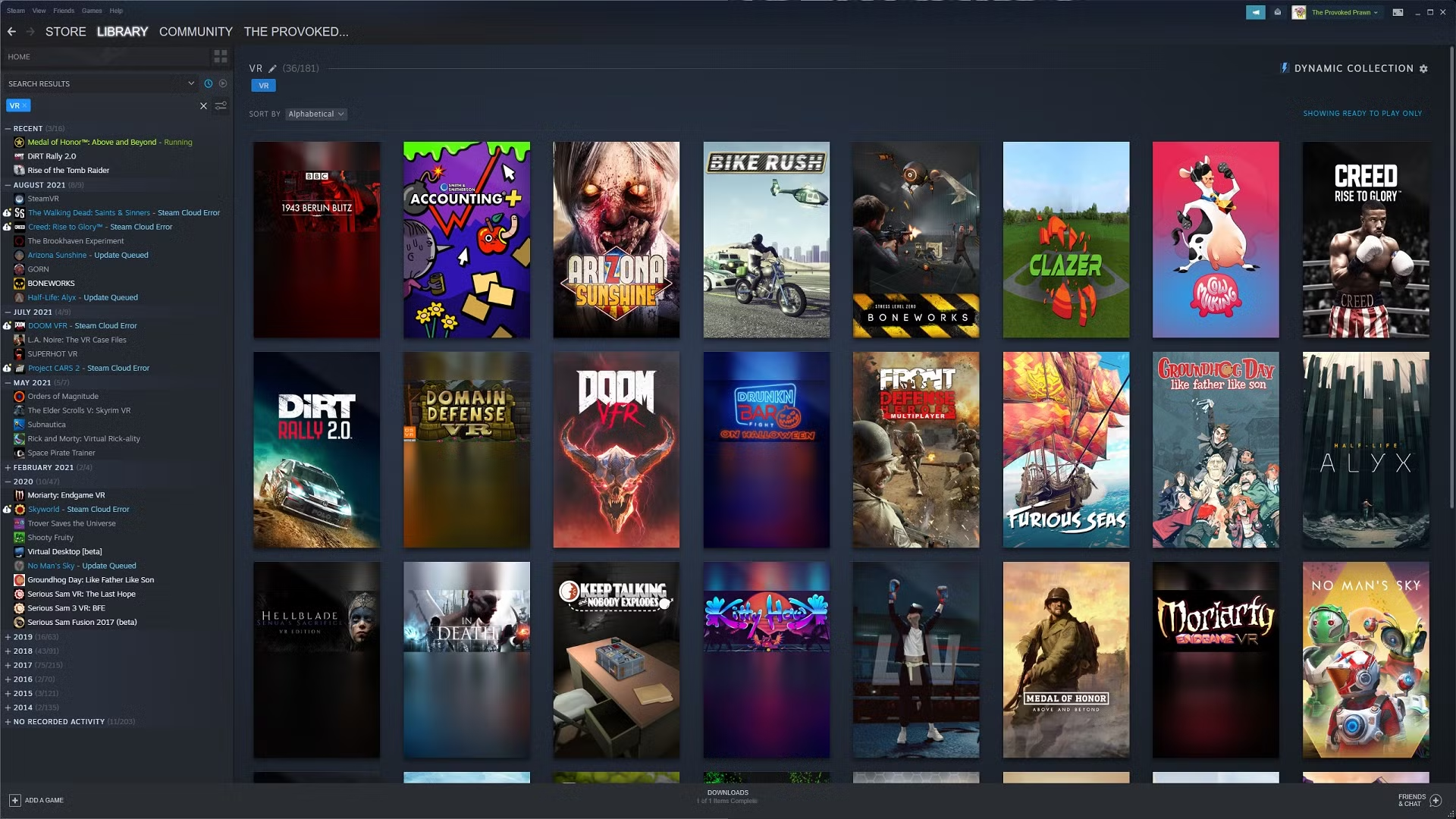
How Digital Marketplaces Reflect and Expand Global Player Choice?
Players nowadays aren’t just reacting to what a single store offers. Many leverage digital marketplaces, not just to save money but to tap into a wider global library that might otherwise stay out of reach.
As more people seek out deals with full region transparency, the need for clear information and legitimate offers only grows.
That shift toward region-focused offers and a wider variety of purchase options is already visible on platforms like Eneba, where catalog diversity follows international trends and game culture in real time.
