
The “Verified Human” Tax: Why Authenticity is the Most Expensive Luxury of 2026
By Alex╺
- PS4
- PS5
- XBox One
- Series X
- PC
We have officially entered the era of the “Uncanny Valley” economy. Just a few years ago, the ultimate digital luxury was anonymity—the ability to move through the web unseen and untracked.
Today, the script has flipped entirely. In a digital landscape drowning in synthetic media, bot farms, and algorithmic noise, the most valuable asset a person can possess is proof of their own humanity. We are no longer paying for privacy; we are paying for the privilege of being recognized as real.
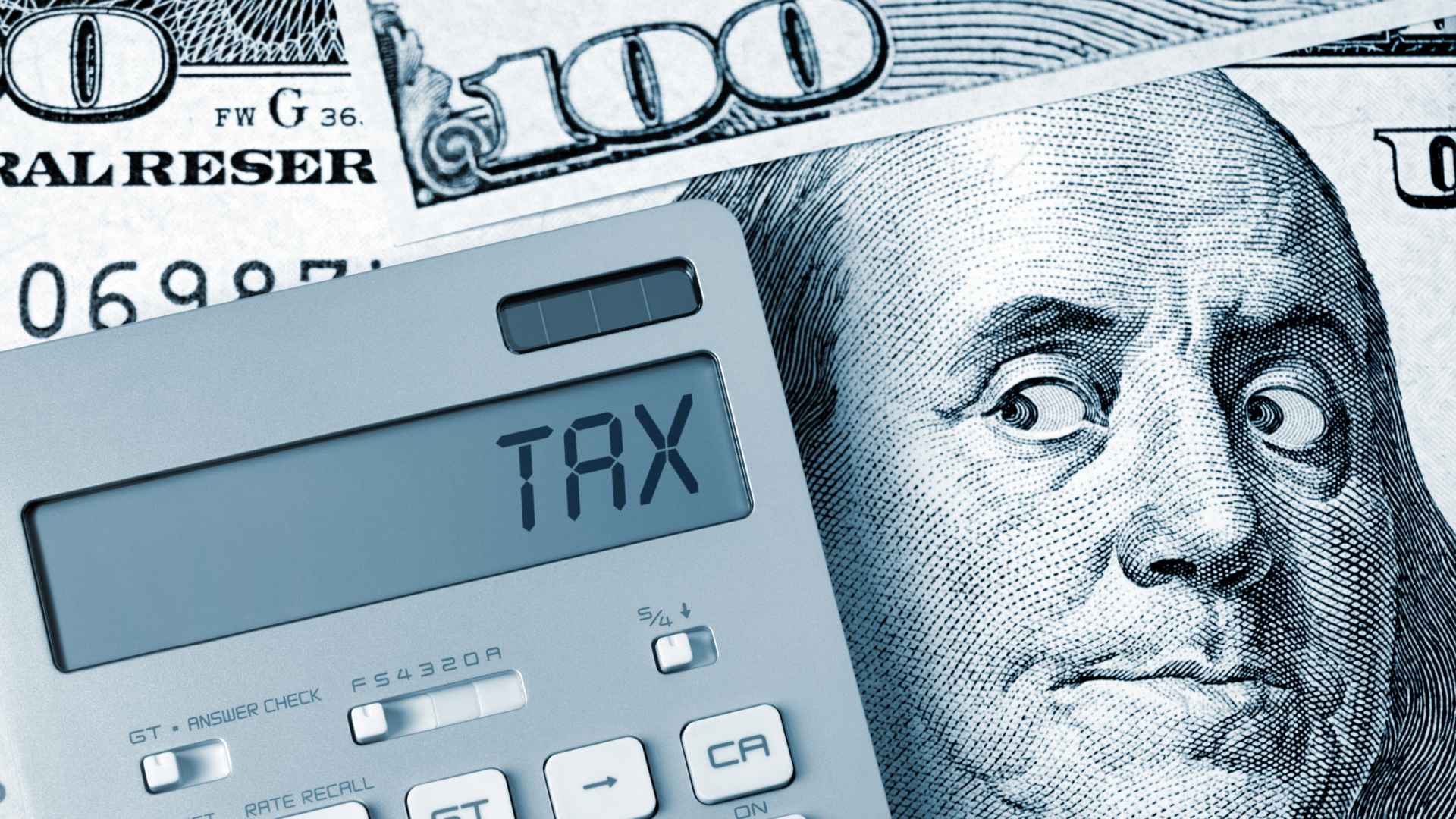
This shift has birthed a new economic reality where “verified human” status is a gated community. The internet of 2026 is rapidly dividing into two distinct tiers: the open web, a chaotic sea of AI-generated sludge where bots converse with bots, and the “Human Web,” a premium, fenced-off zone where access requires biometric authentication and a monthly subscription.
What was once a fundamental assumption—that the person you are debating with or buying from is a biological entity—is now a feature sold at a premium.
The Economics of Trust in a Synthetic World
The rise of an “authenticity tax” is driven by a collapse in digital trust. When AI can generate persuasive emails, fake reviews, or deepfake testimonials at near-zero cost, verified truth becomes scarce—and therefore valuable. In response, users and businesses are retreating to platforms that can prove who’s real, even if that assurance comes at a premium.
This shift is reshaping online behavior. People are increasingly cautious of anonymous, bot-filled platforms and instead gravitate toward established ecosystems with built-in verification and oversight.
Whether it’s social networks, marketplaces, or digital entertainment, users often favor known environments—such as regulated platforms like Vulkan Bet—not for novelty, but for the confidence that interactions aren’t dominated by synthetic actors.
The result is a visible “human premium.” From dating apps to professional networks, paid tiers now promise bot-free access and verified visibility.
Those willing to pay gain reach and credibility; those who don’t are increasingly sidelined, speaking into spaces populated more by algorithms than by people.
Biometrics as the New Password
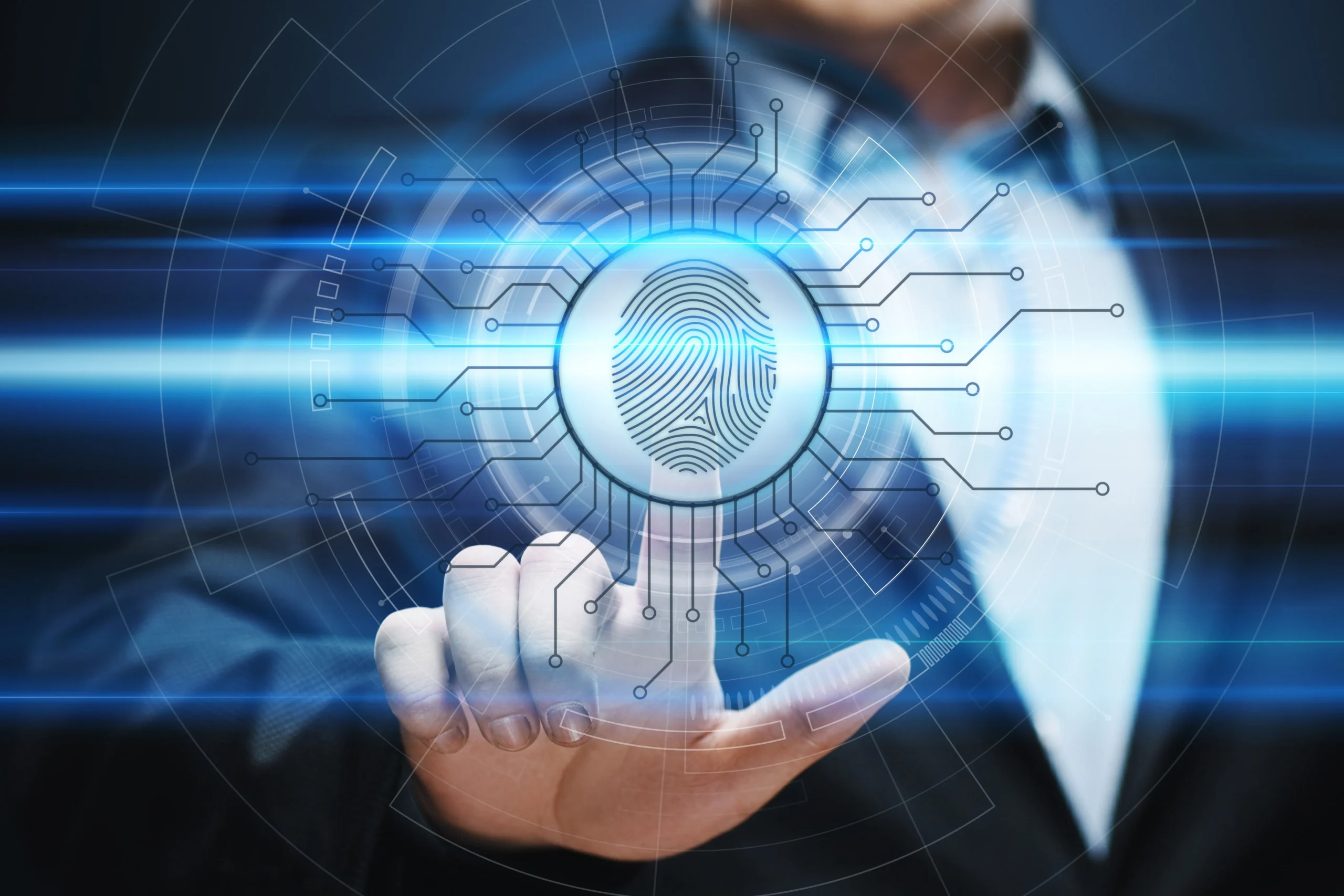
To enforce this segregation, the technology of identity has evolved from simple passwords to continuous biological proof. We are moving beyond the simple blue checkmark into a world of “Proof of Personhood” protocols.
These systems do not just check your ID once; they require ongoing evidence that you are physically present behind the screen, ensuring that the user hasn’t been replaced by an automated script during the session.
The hierarchy of 2026 verification methods includes:
- Liveness Detection: Real-time challenges requiring specific facial movements or voice intonations to prove you aren’t a deepfake.
- Web-of-Trust Vouching: A digital reputation system where your humanity is verified by other confirmed humans in your network.
- Hardware-Based Keys: Physical devices that cryptographically sign your content, proving it originated from a specific, human-owned device.
- Biometric Wallets: Encrypted apps holding iris scans or heartbeat signatures that unlock premium web access.
This infrastructure is expensive to build and maintain, which is why the costs are passed down to the user. The concept of “free internet” is becoming a legacy notion, replaced by a “freemium” reality where the free tier is unusable due to AI-generated spam, and the paid tier offers the sanity of human interaction. We are effectively paying rent for our digital identities.
The Social Implications of the Gated Web
The rise of the verified human tax brings with it profound social consequences. If humanity becomes a subscription service, what happens to those who cannot afford the fee?
We risk creating a digital caste system. The “Verified Class” enjoys high-fidelity information, organic social reach, and access to the global economy. The “Unverified” are left to navigate a junk internet, effectively cut off from the primary channels of cultural and economic discourse.
Furthermore, this trend changes the nature of online influence. In the early 2020s, influence was a numbers game—how many followers could you amass?
In 2026, influence is a game of trust. A creator with 5,000 verified, paying human subscribers is now more valuable to advertisers than an influencer with a million unverified followers, 90% of whom might be bots. The metric for success has shifted from “reach” to “resonance.”
Comparison of Influence Metrics:
| Feature | The Old Model (2020-2024) | The New Model (2026+) |
| Primary Metric | Follower Count / Views | Verified Human Engagement |
| Value Source | Ad Impressions | Subscription Revenue / Trust |
| Audience | Mixed (Bots + Humans) | Gated (Verified Humans Only) |
| Content Strategy | Viral, Clickbait | Deep, Authentic, Niche |
Reclaiming Reality in a Digital Age
As we look toward the latter half of the decade, the pendulum is swinging back toward the physical. The “Verified Human” tax is ultimately a reaction to digital fatigue. People are craving offline experiences because they are the only things that cannot be spoofed.
Live events, handshake deals, and brick-and-mortar retail are seeing a renaissance, positioning themselves as the ultimate “premium” experience.
To thrive in this environment, individuals must carefully curate their digital footprint. It is no longer enough to just exist online; you must actively cultivate a verifiable reputation.
This means diversifying where you build your presence and ensuring you own the direct connection to your audience, rather than renting it from an algorithm that might one day mistake you for a bot.
Invest in Your Digital Sovereignty Today
The “Verified Human” tax is here to stay, and the cost of authenticity will likely only increase as AI becomes more sophisticated. The divide between the synthetic and the authentic is the defining battleground of the modern web. You must decide now which side of the fence you want to build on.
Start by securing your digital identity today. Audit your online presence, invest in platforms that prioritize verification, and build direct channels of communication that do not rely on algorithmic benevolence. In a world of infinite fakes, your undeniable humanity is your most significant competitive advantage.
