
Tracking the Rise of Blockchain Gaming: Player Numbers Behind the Crypto Casino Boom
By Alex╺
- PS4
- PS5
- XBox One
- Series X
- PC
Player count data has always been the pulse of the gaming industry, revealing which genres are growing, which platforms are thriving, and where player attention is shifting.
In recent years, blockchain gaming has emerged as one of the most tracked categories in player statistics, with active wallet counts, daily transaction volumes, and concurrent user figures painting a picture of rapid adoption.
The numbers tell a compelling story about how cryptocurrency and gaming are converging at an unprecedented scale.
The Scale of Blockchain Gaming in 2026
Blockchain gaming has grown from a niche experiment into a substantial segment of the global gaming market. Industry data indicates that unique active wallets interacting with gaming decentralized applications surpassed 7 million daily in early 2026, representing a significant increase from the 1.2 million daily active wallets recorded in 2023.
This growth reflects both the maturation of blockchain gaming platforms and the influx of traditional gamers experimenting with crypto-enabled experiences.
Revenue figures are equally striking. The blockchain gaming sector generated an estimated $8.9 billion in 2025, with projections suggesting the market could reach $50 billion by 2030.
These numbers are driven by a combination of in-game token transactions, NFT marketplace trading, and platform fees collected from player-to-player exchanges.
Breaking Down Player Demographics
Player statistics reveal interesting demographic patterns in blockchain gaming. The core audience skews younger than traditional gaming, with approximately 62% of blockchain gamers falling between 18 and 34 years old.
Geographic distribution shows strong adoption in Southeast Asia, Latin America, and parts of Africa, regions where cryptocurrency offers practical financial utility beyond gaming entertainment.
The crossover between gaming and crypto entertainment is particularly visible in the growth of blockchain-based platforms that cater to digitally native audiences.
The emergence of services operating as a bitcoin casino online reflects how crypto platforms are tapping into the same demographics that drive blockchain gaming adoption, offering experiences that combine entertainment with digital asset utility.
Tracking Active Users Across Blockchain Networks
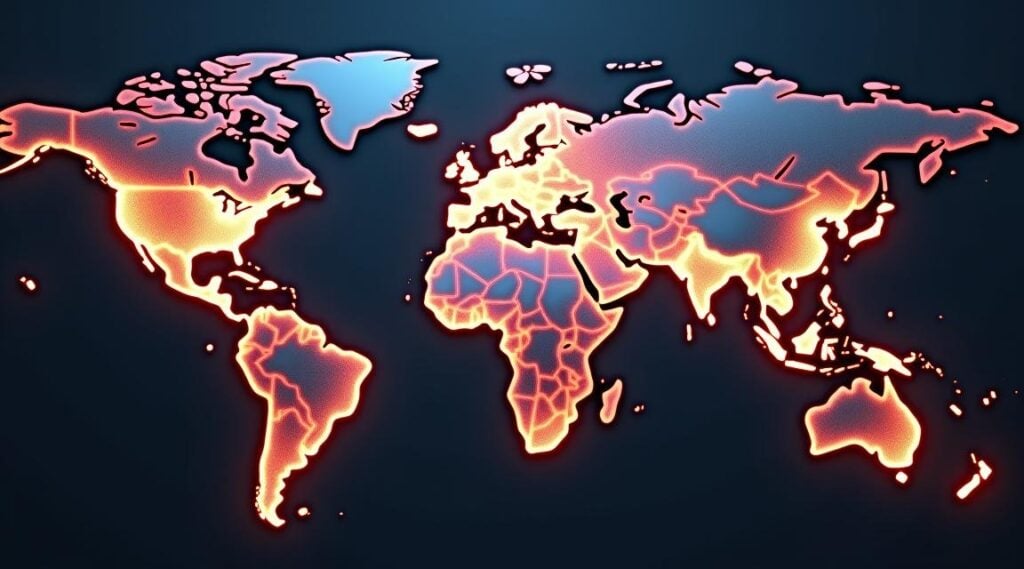
Different blockchain networks attract different gaming communities, and player count data varies significantly across chains. Polygon leads in total gaming transactions due to its low fees and fast confirmation times, hosting many of the most popular blockchain games.
BNB Chain maintains a strong position in Southeast Asian markets, while Immutable X has carved out a niche as the preferred network for NFT-heavy gaming experiences.
Solana has emerged as a dark horse in blockchain gaming, with its high throughput and low costs attracting developers building real-time multiplayer experiences.
Player count data on Solana gaming applications showed a 340% year-over-year increase in daily active users through 2025, making it the fastest-growing chain for gaming-specific applications.
For broader context on how gaming populations are shifting across the industry, platforms that aggregate comprehensive video game statistics and player data provide valuable baselines for understanding where blockchain gaming fits within the larger gaming ecosystem.
Player Count Growth by Blockchain Gaming Category
| Category | Daily Active Users (2024) | Daily Active Users (2026) | Growth |
| Play-to-Earn RPGs | 820,000 | 2,400,000 | +193% |
| NFT Card Games | 340,000 | 1,100,000 | +224% |
| Blockchain Sports Games | 210,000 | 780,000 | +271% |
| Crypto Casino Platforms | 1,500,000 | 4,200,000 | +180% |
| Metaverse Worlds | 450,000 | 1,350,000 | +200% |
| Move-to-Earn Apps | 600,000 | 1,800,000 | +200% |
Retention Rates: Where Blockchain Gaming Struggles
While acquisition numbers are impressive, retention data reveals ongoing challenges. The average 30-day retention rate for blockchain games sits around 12%, compared to 25% for traditional mobile games and 35% for popular free-to-play PC titles.
Many blockchain games attract players with the promise of earning potential, only to lose them when the economic reality fails to match expectations or when gameplay lacks depth.
Games that prioritize gameplay quality alongside token economics show significantly better retention. Titles with compelling narratives, polished mechanics, and regular content updates retain players at rates comparable to traditional games, suggesting that the retention problem is not inherent to blockchain technology but rather to how some developers have prioritized economics over entertainment.
Transaction Volume as a Player Engagement Metric
In blockchain gaming, transaction volume serves as a unique engagement metric that has no direct equivalent in traditional gaming analytics. High transaction volumes indicate active economies where players are buying, selling, and trading assets regularly.
This metric provides insight into the health of a game’s economy and the level of player investment beyond simple login counts.
Daily gaming transactions across all blockchains exceeded 18 million in Q1 2026, with the majority concentrated in a handful of popular titles. This concentration mirrors traditional gaming, where a small number of hit titles capture the majority of player attention and spending.
The long tail of smaller blockchain games generates modest transaction volumes but often maintains passionate, dedicated communities.
Regional Player Count Variations
Player count data reveals dramatic regional differences in blockchain gaming adoption. The Philippines, Vietnam, and Indonesia collectively account for nearly 35% of all blockchain gaming activity, driven by a combination of high smartphone penetration, young demographics, and practical demand for alternative income sources. In these markets, blockchain gaming is not just entertainment but a meaningful economic activity.
North American and European markets show different patterns, with players in these regions more likely to engage with higher-value NFT transactions and premium blockchain gaming experiences.
The average transaction value in Western markets is roughly four times higher than in Southeast Asia, reflecting different economic contexts and player motivations.
For those seeking to understand the foundational technology behind these emerging gaming platforms, Reuters offers a clear explanation of blockchain gaming usage growth and industry data, providing essential context for interpreting the data driving this industry shift.
What Player Data Tells Us About Blockchain Gaming’s Future?
The trajectory of player count data suggests that blockchain gaming is following a classic technology adoption curve, currently transitioning from early adopter territory into the early majority phase.
The rapid growth in daily active users, combined with improving retention rates and increasing transaction volumes, indicates that the sector is building sustainable momentum rather than experiencing a speculative bubble.
Key metrics to watch include the ratio of new to returning players, which indicates whether growth is organic or driven by marketing spend, and the average revenue per user, which reveals whether blockchain gaming economies are generating genuine value for participants.
As these metrics mature, they will provide clearer signals about which blockchain gaming models are sustainable and which are built on unstable foundations.
FAQs
How are blockchain gaming player counts measured?
Player counts in blockchain gaming are typically measured through unique active wallets interacting with gaming smart contracts within a given period. This differs from traditional gaming metrics, which count registered accounts or logged-in users. Wallet-based counting can undercount players who use multiple wallets or overcount bot activity.
Why are retention rates lower in blockchain games?
Lower retention rates are primarily driven by games that prioritize earning mechanics over gameplay quality. When token values decline or earning opportunities diminish, players who joined primarily for financial reasons leave. Games with strong gameplay loops retain players at rates comparable to traditional titles.
Which blockchain network has the most gaming players?
Polygon currently leads in total gaming transactions and unique active wallets, followed by BNB Chain and Immutable X. Solana is the fastest-growing network for gaming applications, with daily active user counts increasing over 340% year-over-year through 2025.
Are blockchain gaming statistics reliable?
On-chain data provides a level of transparency unavailable in traditional gaming, as all transactions are publicly verifiable. However, bot activity and multi-wallet users can distort raw numbers. Reputable analytics platforms apply filters to provide more accurate estimates of genuine player activity.
Key Takeaways
- Daily active wallets in blockchain gaming surpassed 7 million in early 2026, reflecting strong and sustained growth.
- Player demographics skew younger and more geographically diverse than traditional gaming, with strong adoption in Southeast Asia and Latin America.
- Retention rates remain a challenge but are improving as developers prioritize gameplay quality alongside token economics.
- Transaction volume serves as a unique engagement metric, with daily gaming transactions exceeding 18 million across all blockchains.
- Regional variations in player behavior and transaction values reflect different economic contexts and motivations for blockchain gaming adoption.
