
The New Spectator Era: Why Competitive Play is Breaking Every Record in 2026
By Alex╺
- PS4
- PS5
- XBox One
- Series X
- PC
The shift in how we consume games has reached a fever pitch. It wasn’t long ago that “watching someone else play” was a niche hobby relegated to the corners of the internet, but today, the live player counts and viewership metrics tell a different story.
We are no longer just a community of players; we are a global audience of spectators, and the numbers are staggering.
According to recent industry data, the total number of gamers worldwide is expected to hit 3.6 billion this year. But the real story isn’t just that more people are playing—it’s how they are engaging with high-stakes, professional-level content. From tactical shooters to grand strategy titles, the hunger for expert-level execution has never been higher.
The Gravity of Live Engagement
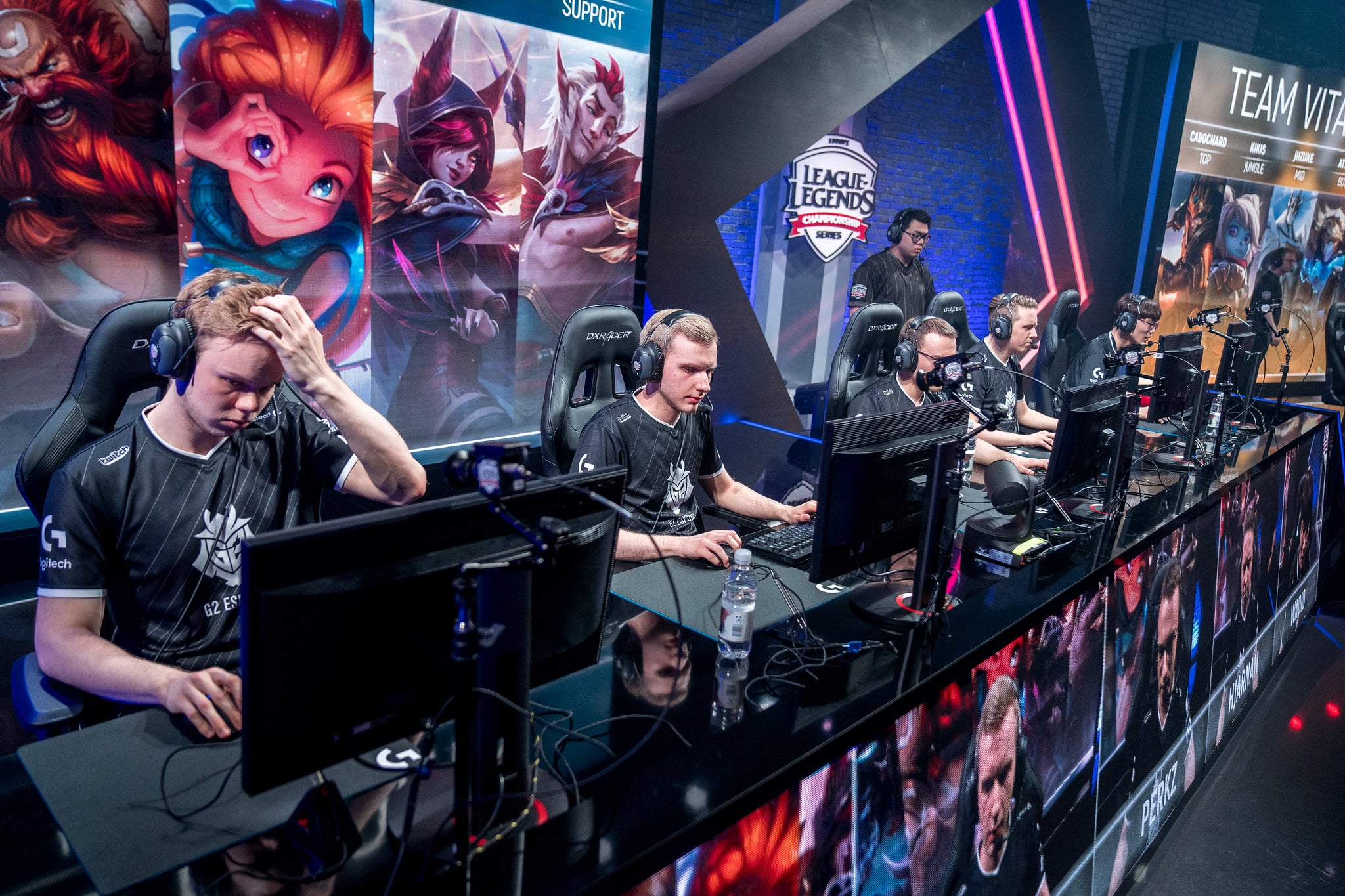
The sheer scale of concurrent users on platforms like Steam—which hit an all-time peak of over 42 million earlier this year—proves that the infrastructure for massive social gaming is fully mature.
When a major tournament or a high-profile “meta shift” occurs, the ripple effect across the community is instantaneous.
Take Counter-Strike 2, for example, which continues to dominate Steam with nearly a million concurrent players at any given moment. This isn’t just about the mechanics of the game; it’s about the ecosystem built around it.
When the community gathers to watch professionals navigate high-pressure situations, it creates a shared cultural moment.
For those looking to transition from casual play to analyzing the deepest strategies of high-level competition, resources like Pokertube provide a look into how strategic thinking and risk management translate into digital environments.
These hubs of expert analysis are becoming essential for fans who want to understand the “game behind the game.”
Why the Crowds are Swelling?
Several factors are converging to make 2026 the biggest year for gaming as a spectator sport:
- Cross-Platform Unity: Cross-play is no longer a luxury; it’s a standard. This has unified previously siloed communities, allowing fans on mobile, PC, and console to engage with the same competitive events simultaneously.
- The Rise of Smaller, Focused Experiences: While massive open worlds still exist, developers are increasingly focusing on smaller, highly polished, competitive experiences that are easier for viewers to follow.
- Global Accessibility: Mobile gaming continues to lead the charge, with nearly 3 billion players worldwide. This has opened the door for competitive gaming in regions like India and Southeast Asia, where mobile-first titles like Free Fire maintain over 130 million monthly active users.
The Strategic Professional
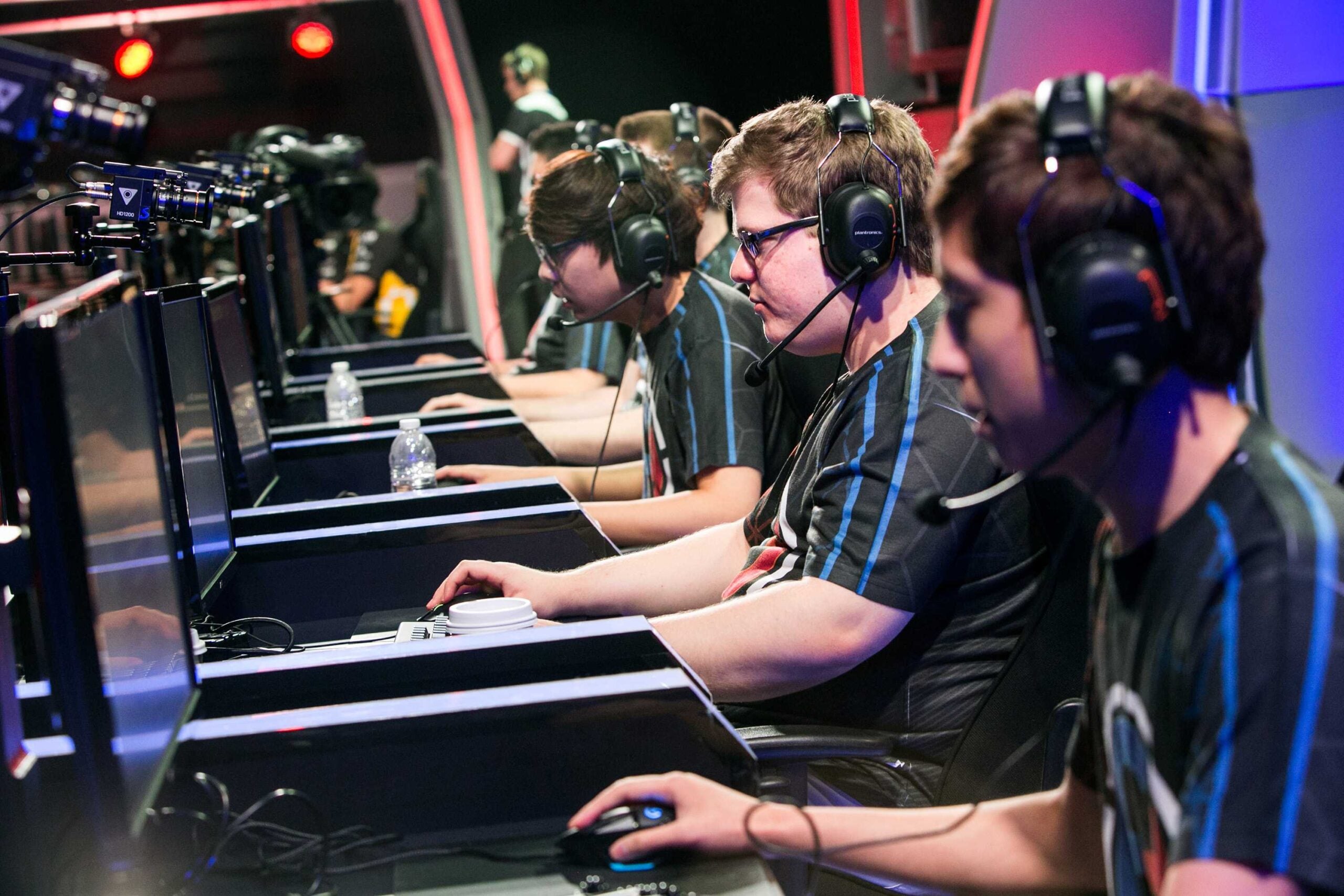
The line between “playing for fun” and “studying the craft” is blurring. Professional gaming has grown from niche competitions into mainstream spectacles with viewership that rivals traditional sports.
This has led to a massive influx of professional creators, coaches, and analysts who treat game mechanics with the same rigor as an architect treats a blueprint.
Even the development side is leaning into this. Recent reports show that 83% of developers now prioritize online multiplayer features, while 78% are investing heavily in leaderboards and daily challenges to keep the competitive fire alive.
The Shift in Community Dynamics
| Trend | 2024 Context | 2026 Reality |
| Viewership | Peak during major finals | Consistent daily engagement |
| Platforms | Fragmented between PC/Console | Agnostic, unified ecosystems |
| Analysis | Surface-level commentary | Deep, data-driven strategy |
Final Thoughts on the Future of Play
The landscape of interactive entertainment has fundamentally changed. We’ve moved from isolated experiences into a world where every move can be watched, analyzed, and celebrated by millions in real-time.
Whether it’s the thrill of a last-second victory in a battle royale or the slow-burn tension of a grand strategy match, the “spectator effect” is the new heartbeat of the industry.
Gambling involves risk. Please play responsibly and only wager what you can afford to lose. If you feel gambling is becoming a problem, visit BeGambleAware.org or call 1-800-GAMBLER.
