
Fortnite x Minecraft: Inside the Loot Economy Rumor Mill
By Alex╺
- PS4
- PS5
- XBox One
- Series X
- PC
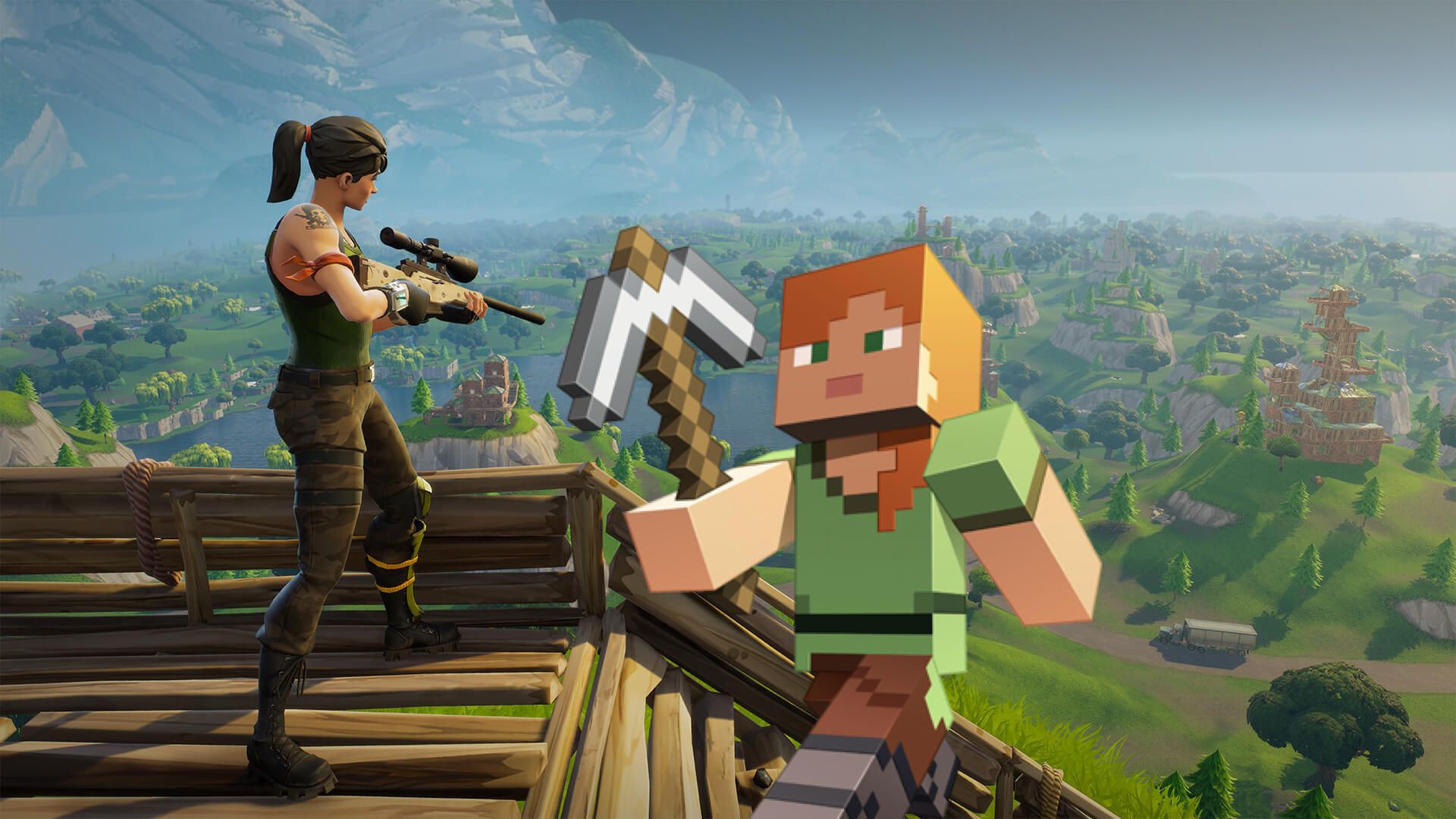
Something’s brewing between the two biggest counters on this site. Leakers Adira and HYPEX both flagged the same whisper within days of each other: a Fortnite x Minecraft collaboration, possibly landing before the year is out. Neither Epic nor Mojang has confirmed a thing.
But the timeline of leaks, as Game Rant reported, has enough overlap that the gaming press stopped treating it as noise weeks ago.
Here’s why it matters beyond the hype cycle. If this crossover happens, it won’t just be a skin drop. It’ll be a case study in how two separate in-game economies collide, and what happens to player behavior when loot from one universe suddenly has currency in another.
Why the Rumor Won’t Die?
The pattern is familiar by now. A crossover leak surfaces, players build wishlists, and Epic stays quiet just long enough to keep the thread alive.
Esports.gg traced the collab’s origin back to asset references buried in recent patch data. That’s the kind of digital breadcrumb that’s tipped off nearly every major Fortnite collab since the Marvel season.
Minecraft brings something Fortnite hasn’t fully cracked. A building-first identity. Pair that with Fortnite’s live-service cosmetic machine and you get a genuinely interesting question. Does a Minecraft-themed pickaxe carry the same weight as a Marvel one?
Early speculation, laid out by AltChar’s reporting on the leaked collaboration, points to pickaxes, back blings, and a Creative-mode Minecraft island as the likely package. Nothing wild. But nothing that should exist without both fanbases already primed to buy in.
That’s the part worth sitting with. These aren’t neutral cosmetic drops. They’re built to feel like a must-have to two different fandoms at once, and that’s a much harder trick than skinning a gun.
Skins as Currency, Not Just Costumes
Strip away the character models and a battle pass is really a ledger. V-Bucks go in, items come out, and the items themselves start acquiring value that has nothing to do with gameplay. A rare Fortnite skin from a discontinued item shop listing can trade hands in grey markets for real dollars.
Fox News reported on this back when Fortnite’s account trading scene ballooned into a genuinely billion-dollar shadow economy. None of that is sanctioned by Epic. All of it proves the point. Once an item is scarce and desirable, players will build a market for it whether the developer wants one or not.
The psychology behind why players chase these drops in the first place isn’t a mystery. It’s the same variable-reward loop researchers have studied in slot machines for decades. An uncertain payout, delivered on an unpredictable schedule, keeps people pulling the lever (or opening the crate) far longer than a guaranteed reward would.
Item drops, loot crates, and mystery bundles are built on that exact mechanic. Randomized rarity tiers turn a cosmetic purchase into something closer to a wager than a transaction.
That overlap between “loot mechanic” and “gambling mechanic” isn’t just a talking point among game critics anymore. It’s shown up in mainstream coverage too, as covered by MetroTimes, which looked at how that same reward psychology plays out with actual stakes attached, where the variable payout isn’t a skin but real money on the table.
Gambling carries real financial risk in a way loot boxes don’t, and that distinction matters. Please gamble responsibly and only stake what you can afford to lose.
What a Real Cross-Game Economy Would Actually Require?
A true shared loot economy between Fortnite and Minecraft would need more than reskinned assets. It would need portability. Some system letting an item purchased in one game carry recognizable value in another.
That’s a much bigger technical and legal lift than a single collab event, and it’s the exact problem Game Developer’s analysis of building a cross-game item future digs into: interoperability between closed economies is mostly aspirational right now, blocked by licensing, platform fees, and the simple fact that Epic and Mojang (owned by Microsoft) have zero reason to let value leak outside their own walled gardens.
Minecraft’s own Marketplace already runs on Minecoins, a closed currency that converts one way. Fortnite’s V-Bucks work the same.
Neither company wants a shared exchange rate between them. So even in the best-case crossover scenario, expect themed cosmetics bound entirely inside their home game. Not some grand unified item economy players have been wishlisting on Reddit.
Still, the fact that fans are even imagining it says something. Cosmetic ownership has become sticky enough, valuable enough, that players now think in terms of portfolios rather than purchases.
CoinMarketCap Academy’s breakdown of NFTs and the gaming skins market makes a similar point about closed marketplaces. Scarcity plus a devoted playerbase equals a functioning economy, whether or not blockchain rails are involved.
Two Different Currencies, One Shared Behavior
What ties a Fortnite item shop, a Minecraft Marketplace purchase, and a crypto-casino promo together isn’t the currency. It’s the behavior the currency triggers. Scarcity. A countdown timer. The nagging sense that if you don’t buy now, the item’s gone for good.
Epic has leaned into that for years with rotating item shop slots. Minecraft’s Marketplace runs cosmetic bundles on similar timers.
Neither is gambling, legally or practically. But the underlying hook, that itch to check back before the drop disappears, is the same hook casino operators have refined for a century.
None of that means the rumored crossover is secretly sinister. It’s a business collaboration between two studios with enormous, overlapping fanbases.
But the fact that players are already speculating about which cosmetics will feel worth grabbing tells you the loot economy conversation isn’t going away, crossover or not.
Where This Leaves Fortnite and Minecraft Fans?
Nothing’s confirmed. Epic hasn’t dropped a teaser, and Mojang hasn’t so much as liked a tweet about it. But the leak trail is consistent enough that most gaming outlets are treating a 2026 crossover as plausible rather than wishful thinking. If it lands, expect a tightly scoped cosmetic bundle rather than the deep interoperability fans keep wishlisting.
What won’t change is the underlying design logic. Scarcity sells. Timers create urgency. And the reward loop that keeps players checking the item shop every day works because it’s built that way, not by accident.
FAQ
Is the Fortnite x Minecraft crossover officially confirmed?
No. As of September 2026, neither Epic Games nor Mojang has confirmed a collaboration. The rumors stem from leaker claims and asset references spotted in patch data, tracked by multiple gaming outlets over the past month.
What would a Fortnite x Minecraft crossover likely include?
Leaked speculation points to Minecraft-themed pickaxes, back blings, and possibly a Creative-mode island. Full economic interoperability between the two games’ currencies is unlikely given licensing and platform constraints.
Why do loot boxes feel similar to gambling?
Both rely on variable-ratio rewards, an unpredictable payout schedule that keeps engagement high. Loot boxes carry no cash-out value, which is the key legal distinction from gambling mechanics, but the psychological hook behind both is well documented.
Can Fortnite skins actually be sold for real money?
Officially, no. Epic prohibits account and item trading. Unofficially, a persistent grey market exists for rare, discontinued cosmetics, though transactions there carry real account-ban risk.
Do Minecoins and V-Bucks ever convert into each other?
No. Both are closed currencies tied to their respective marketplaces, with no official exchange mechanism between Minecraft and Fortnite, or between either currency and real-world money outside their own purchase conversion rates.
