
Fortnite’s V-Bucks Spending Cycle: The Real Cost, Broken Down
By Alex╺
- PS4
- PS5
- XBox One
- Series X
- PC
Epic dropped the v42.10 patch for Fortnite Chapter 7 Season 4 on September 3, and buried under the new sprites and weapons is something more interesting than the patch notes let on.
The item shop refresh cadence changed, just slightly, and that small shift moves real money. Not hypothetical money. Actual dollars leaving actual bank accounts, converted into a currency that only exists to make the leaving less obvious.
That’s the whole trick of V-Bucks. You don’t spend $19.99. You spend 2,000 V-Bucks. The number on screen stops meaning what money means, and that gap is where the spending cycle lives.
What Chapter 7 Actually Costs Per Season?
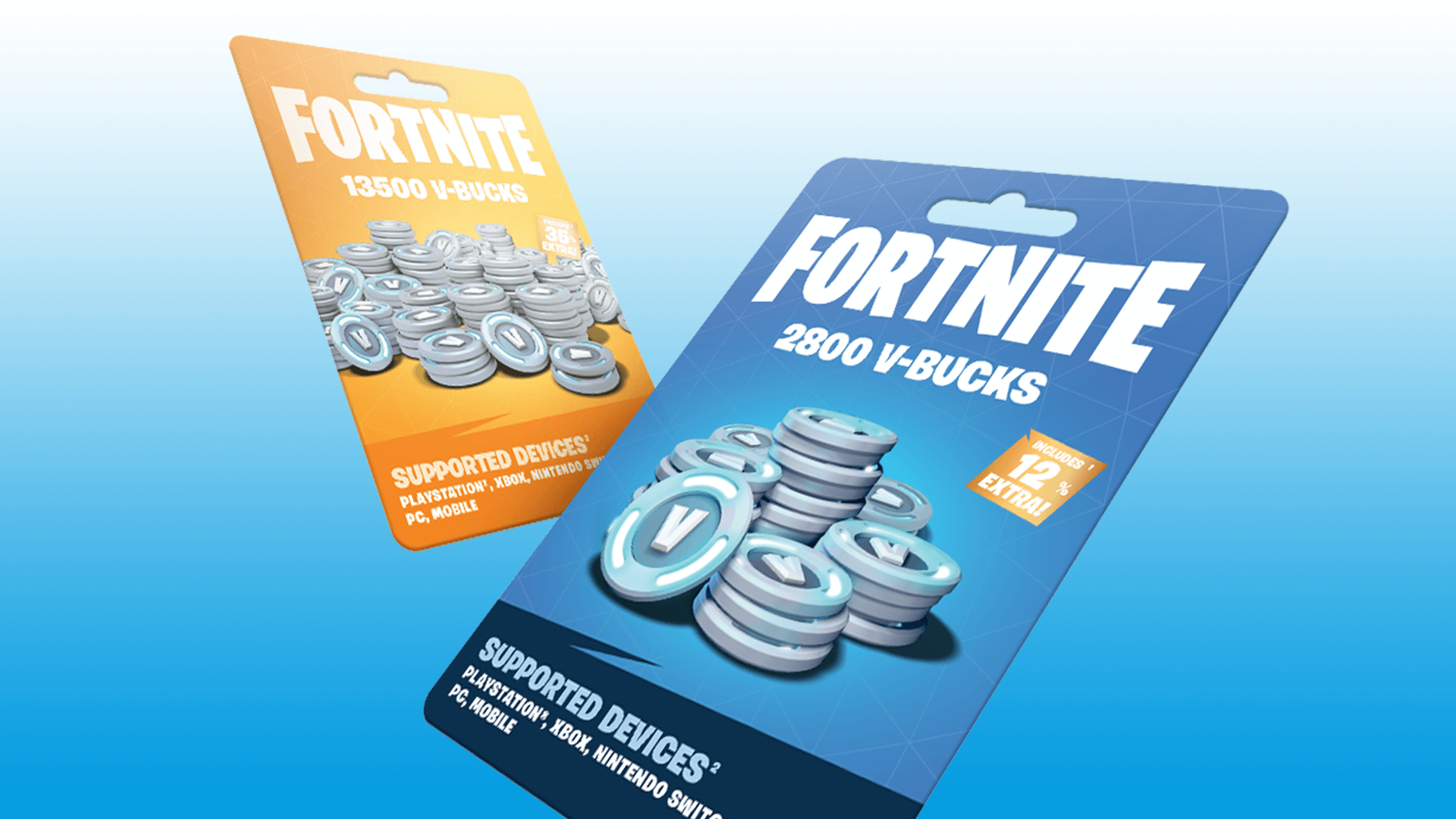
Start with the Battle Pass. It runs 950 V-Bucks, which at the standard conversion works out to roughly $9.50, though nobody buys exactly 950 V-Bucks because Epic doesn’t sell packs in that size. You buy 1,000.
The overflow doesn’t vanish, but it also doesn’t feel like anything until it stacks up across a few purchases and you realize you’ve got 340 orphaned V-Bucks sitting in an account, not quite enough for anything, just enough to justify buying more.
That overflow mechanic isn’t an accident. According to reporting from Game Rant on the current V-Buck pack pricing structure, pack sizes are deliberately staggered so that most purchases leave a remainder.
Multiply that remainder across the estimated tens of millions of active Fortnite accounts and you start to see why the item shop refreshes daily instead of weekly. Daily refreshes create daily opportunities to spend down that remainder, and daily opportunities to add more on top.
The Chapter 7 Season 4 shop is currently running skins in the 1,200 to 2,000 V-Bucks range, with crossover bundles pushing past 2,800.
A single crossover skin with back bling and a pickaxe can run you the better part of a full Battle Pass purchase. Buy two of those in a season and you’ve spent more on cosmetics than most people spend on an actual full-price game.
When You’d Rather Not Spend At All?
Here’s the thing. Not every gaming session needs to feed a currency system. Sometimes you just want fifteen minutes of something fun without an item shop timer counting down in the corner of your screen, without a battle pass tracker reminding you you’re twelve tiers behind, without any of it.
Browser-based games have quietly become the release valve for exactly that itch, no download, no account tied to a payment method, no shop refresh at 8pm UTC pressuring a decision.
Sites like www.silvergames.com/en/ host libraries running into the thousands of free titles, everything from racing and puzzle games to shooters and strategy picks, and none of it asks for a card number before you get to play.
Gambling involves risk in a way cosmetic microtransactions technically don’t, but the psychological mechanics rhyme closer than most players want to admit.
If you ever feel like a spending loop, digital or otherwise, is getting harder to step away from, that’s worth taking seriously rather than shrugging off.
The Robux Comparison Nobody Runs Correctly
People compare V-Bucks to Robux constantly and usually get the comparison wrong because they compare sticker prices instead of what the currency actually buys.
Robux runs at roughly 80 Robux per dollar. V-Bucks sit around 125 per dollar. On paper V-Bucks look like the better deal.
In practice, Roblox’s economy is built entirely differently. Developers set their own prices inside their own experiences, and Roblox takes a cut on the back end rather than pricing everything centrally the way Epic does.
Roblox Corporation’s own Annual Economic Impact Report shows creator payouts have scaled into the billions, which tells you the platform’s spending cycle isn’t concentrated in one shop the way Fortnite’s is. It’s distributed across millions of individual experiences, each running its own micro-economy.
A kid buying a pass to skip a queue in an obby is participating in the same category of transaction as someone buying a Fortnite skin bundle, just fragmented across a thousand different storefronts instead of one.
The scale difference is genuinely staggering. PC Gamer reported that players logged roughly 10.25 billion monthly hours in Roblox during 2025, more combined engagement than Steam, PlayStation, and Fortnite put together.
More hours logged generally means more exposure to in-experience purchase prompts. That’s not a knock on Roblox specifically. It’s just what happens when a currency system scales that far.
Why the FTC Case Still Matters in 2026?
This isn’t purely theoretical concern-trolling about spending habits. Epic Games paid over half a billion dollars in FTC penalties back in December 2022 over allegations that included unwanted charges tied to Fortnite’s V-Bucks purchase flow.
Part of that settlement forced Epic to redesign purchase confirmation screens specifically because the old flow made accidental spending too easy.
Four years on, the shop’s cadence has changed but the underlying tension hasn’t. A currency layer between you and your bank account will always make spending feel lighter than it is. That’s not a conspiracy. It’s just design.
There’s academic weight behind this too. A study published via the National Institutes of Health found loot box spending correlated with problem gambling behaviors even when it didn’t correlate with reduced mental wellbeing on its own.
Skins and passes aren’t loot boxes exactly, Fortnite’s shop is direct purchase, not randomized, but the compulsive-spending mechanism the study measured maps onto any system where real currency gets abstracted into a game-only token first.
Tracking Your Own Season Spend
If you want to actually see the number instead of feeling it, run your purchases through a V-Bucks-to-USD calculator before you buy, not after. Converting 2,000 V-Bucks back to $16 in your head hits differently than watching the in-game price tag do the talking.
It’s a five-second habit. Most players never build it because the shop is designed to move fast enough that pausing to calculate feels like friction the interface doesn’t want you to have.
Chapter 7 Season 4 runs its Override content through the rest of this year’s roadmap, and the shop rotation isn’t slowing down. Whether that’s worth your money each week is a call only you can make. Just make it with the real number in front of you, not the fake one.
FAQs
How much does a full Fortnite season cost if you buy everything?
Between the Battle Pass, weekly shop rotations, and at least one crossover bundle, a player buying most cosmetics in a season typically spends $60 to $120 in V-Bucks. It varies heavily based on how many crossover skins land that season and whether you buy the deluxe pass bundle upfront.
Is Robux or V-Bucks a better value per dollar?
V-Bucks convert at a slightly better headline rate (125 per dollar versus 80 for Robux), but Robux pricing is set per-experience by individual developers, so actual value swings wildly depending on what you’re buying inside Roblox.
Do leftover V-Bucks expire?
No, V-Bucks don’t expire on their own, but Epic’s pack sizing is structured so most purchases leave a small remainder that nudges players toward topping up rather than letting the balance sit unused.
Why does the item shop refresh daily instead of weekly?
Daily refreshes create more frequent purchase decision points. It’s a deliberate cadence choice that increases the number of times a player is shown something new to consider buying, rather than a technical limitation.
Are browser games actually free, or do they have hidden costs?
Most browser-based game libraries, including ones with thousands of titles, run on ad support rather than purchases, so there’s no card required and no in-game currency to convert. That’s the core appeal for players tired of tracking a spending cycle.
