
How Casinos Respond to Card Counting?
By Alex╺
- PS4
- PS5
- XBox One
- Series X
- PC
Few casino strategies spark as much debate as card counting. To some, it represents the triumph of skill over chance, a way to shift the odds using memory and math.
To others, it sounds like cheating, a tactic that gets people escorted out by security. The truth sits somewhere in between, and understanding it means separating legal fact from casino policy and Hollywood myth.
Card counting has fascinated blackjack players for decades because it is one of the few strategies where skill can influence long-term results. Whether it is tolerated or punished depends heavily on where you are and how the casino responds.
How Card Counting Actually Works?
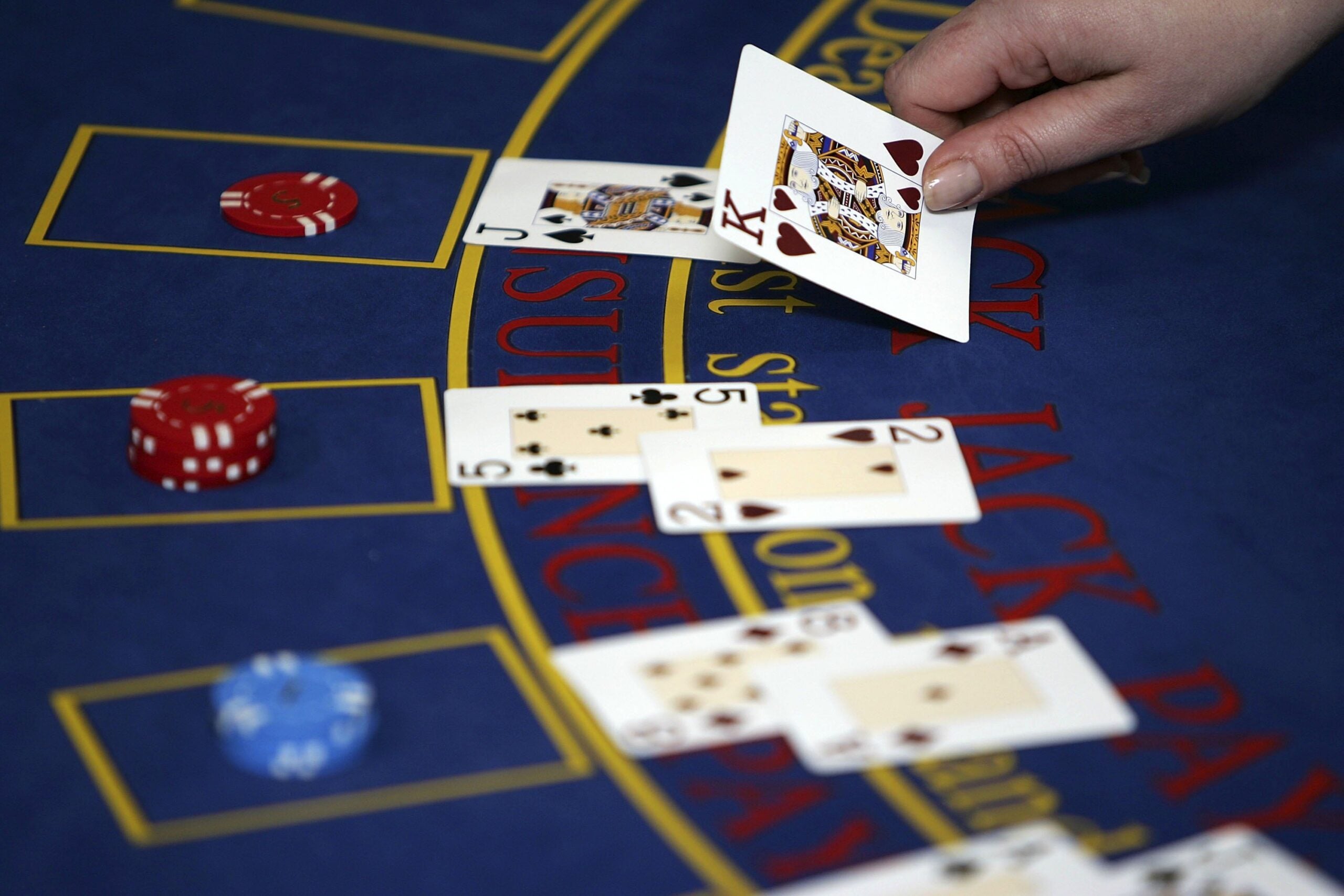
Card counting tracks the ratio of high cards to low cards remaining in the deck. In blackjack, high cards such as tens and aces favor the player, while low cards favor the dealer. By assigning simple values to cards as they appear, a counter keeps a running tally that shows when the remaining deck is rich in high cards.
When the count is favorable, the player increases their bets because the odds have shifted slightly in their direction. When it is unfavorable, they bet the minimum or sit out. Repeated over many hands, this adjustment can turn the house edge into a small player advantage.
Card counting only becomes useful when the table conditions allow information to carry over between hands. A player looking at blackjack games or an offer such as a verde casino no deposit bonus should still check how the cards are handled, how often the shoe is shuffled, and whether a persistent deck is used.
Counting does not require photographic memory. Systems such as Hi-Lo rely on basic addition and subtraction. What matters more is concentration, consistency, and the ability to keep track of the count without attracting attention.
Is Card Counting Legal?
In most jurisdictions, card counting itself is not illegal. A player using only observation and mental calculation is simply thinking during the game. That is different from tampering with equipment, manipulating cards, or working with a dealer.
The legal line changes when external aids are used. Hidden computers, devices, or apps that assist with tracking cards can violate gambling laws, while collusion with a dealer or physical manipulation of cards can amount to fraud.
Pure mental counting may therefore be legal, but that does not mean a casino has to keep serving a player who uses it. The difference between legality and casino policy is central to the issue.
| Activity | Legal Status | Likely Casino Response |
| Mental card counting | Legal in most jurisdictions | Countermeasures or removal |
| Using a device or app | Can be illegal depending on jurisdiction | Ban and possible prosecution |
| Colluding with a dealer | Can constitute fraud | Ban and prosecution |
| Manipulating physical cards | Can constitute fraud | Ban and prosecution |
The mental strategy itself usually sits on the legal side of the line, while devices, collusion, or card manipulation introduce conduct that can trigger criminal consequences. Casinos may still act against a legal counter because house rules and criminal law are separate issues.
Why Casinos Can Still Ban You?
Casinos are private businesses, and in many places they can refuse service or restrict access to particular games. A casino that identifies a skilled counter may ask them to leave, bar them from blackjack, or ban them entirely. This is usually a business response rather than a criminal penalty.
Surveillance teams and pit staff watch for betting patterns that suggest advantage play. Sudden bet increases, unusual attention to the shoe, and repeated changes in stake size can attract scrutiny. Once a player is flagged, the casino may change conditions before deciding whether to remove them.
Common Countermeasures
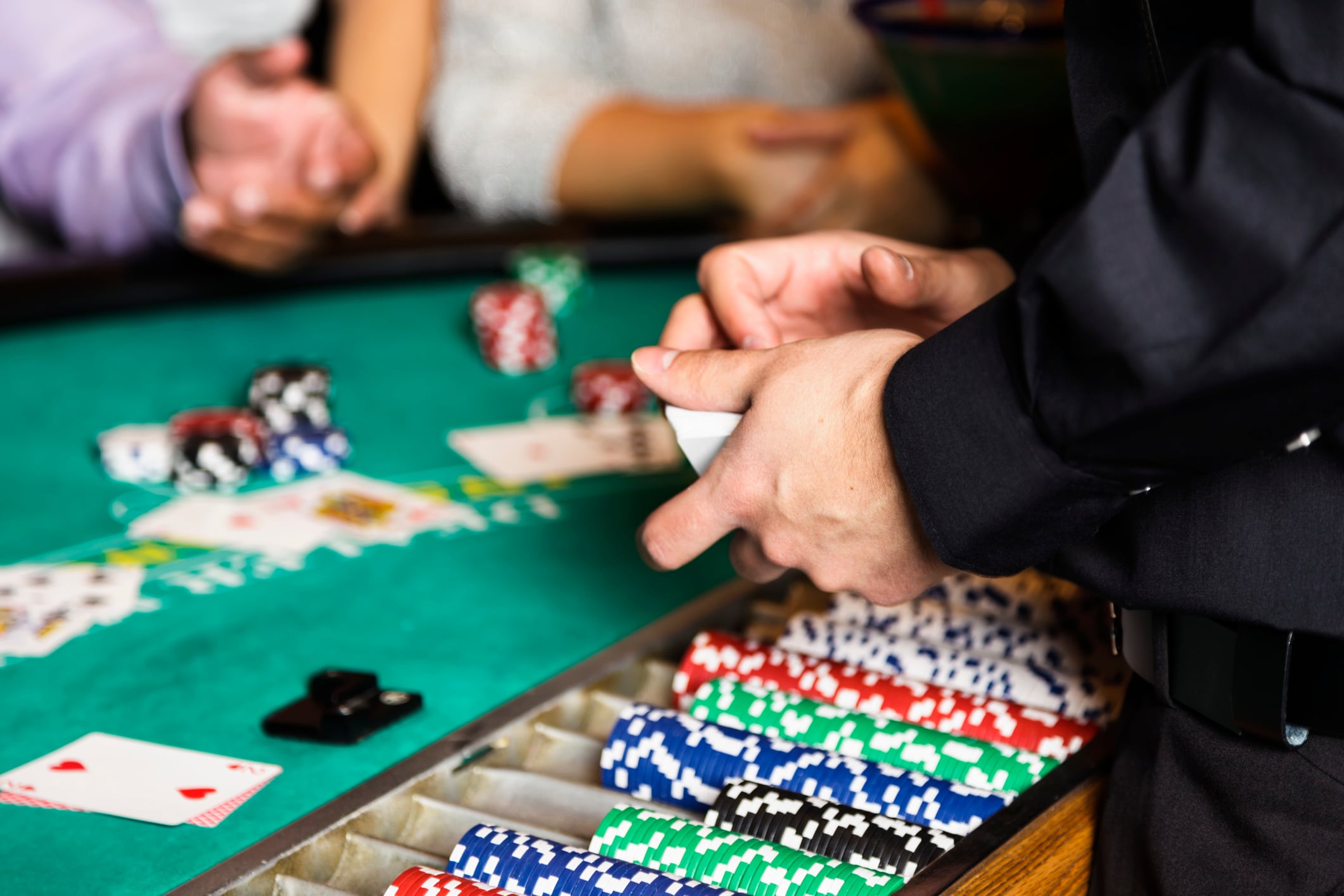
Casinos do not always ban suspected counters immediately. They can instead make the game less favorable to the strategy.
- Shuffling the deck earlier to reset the count.
- Adding more decks to reduce the counter’s edge.
- Limiting how much a player can increase their bets.
- Asking the player to move to another game.
Security usually becomes involved only if the situation escalates or the player refuses to comply with staff instructions.
The Online Angle
Online gambling changes the picture considerably. In standard digital blackjack using a random number generator, the deck is effectively reset between hands, so traditional card counting has little practical value. There is no persistent shoe to track.
Live dealer blackjack is different because real cards are used. Counting may be theoretically possible, but operators can limit its usefulness through frequent shuffling and shallow deck penetration. For most online players, card counting remains more of a theoretical strategy than a realistic advantage.
The conditions that make counting useful in physical blackjack are difficult to reproduce online, especially when games are designed around frequent resets or limited card exposure.
Skill, Ethics, and the Bigger Picture
Card counting occupies an unusual position. It is a legitimate mental skill, yet casinos can still treat successful counters as unwanted customers because the strategy threatens the house edge.
That distinction matters. A player can understand that mental counting is generally legal while also recognizing that a casino may restrict or remove them for using it. Devices, collusion, and physical manipulation belong in a different category because they can cross into illegal conduct.
Card counting is therefore neither simple cheating nor a guaranteed path to profit. It is a legal mental strategy in many jurisdictions, but casinos may still restrict or prohibit it under their own rules.
