
How Modern Game Lighting Shapes Player Experience and Retention
By Alex╺
- PS4
- PS5
- XBox One
- Series X
- PC
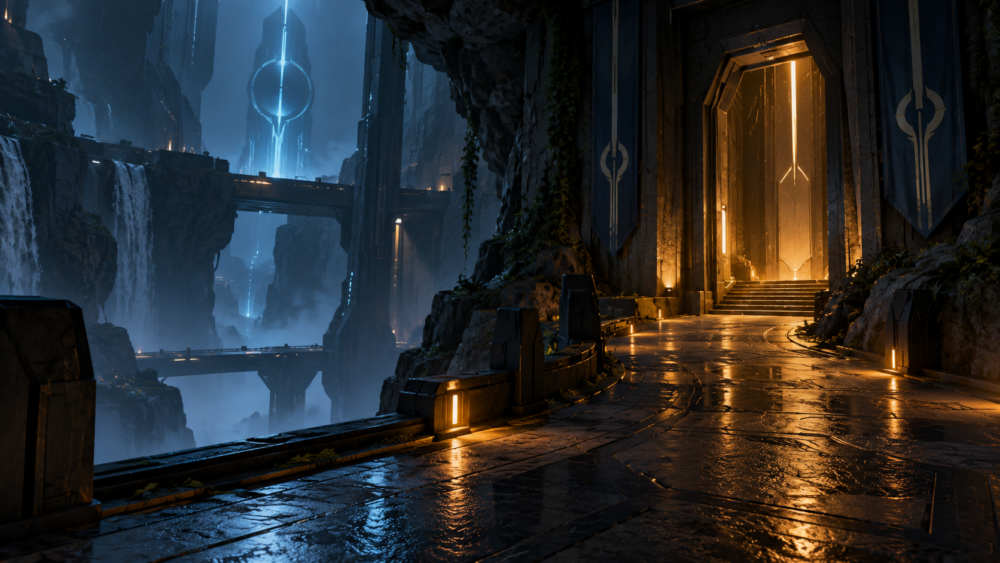
The Unspoken Force Behind Player Engagement
We’ve all been there: running around in circles in a massive open-world RPG, completely lost because the environment gives zero subtle hints about where to go next.
Honestly, bad lighting ruins even the best level layouts. But when does dynamic illumination work properly? You just drift through maps naturally, no tacky UI arrows or pulsing mini-map markers needed.
Light basically controls the whole tempo, visual depth, and emotional weight of a scene. Get the atmosphere right, and players get lost in the game for five hours straight. Get it wrong, and people alt-f4 out of pure annoyance.
Think of light as the unseen skeleton of level design. The moment a player consciously notices a random lamp placement or artificial light source, the visual spell breaks. Good technical art should feel purely like instinct – guiding the eye while preserving the illusion of reality.
And that seamless flow is what actually drives player retention. People walk away feeling smart for picking out a hidden doorway or secret path, totally unaware that a carefully tuned light source practically dragged their eyes right to it.
Directing Human Focus and Improving Level Navigation
Level layout relies heavily on basic evolutionary psychology. Human eyes are just hardwired to lock onto contrast, warm highlights, and sudden movement in dark spaces – a survival habit we picked up way before video games came around.
Look at classic horror or stealth games for a second. A single flickering bulb down a dark corridor isn’t just there to creep you out. It acts as a massive visual cue, showing you exactly where safety – or trouble – is sitting. But as game worlds get ridiculously huge, keeping performance smooth while rendering detailed shaders gets messy fast.
When ship dates start creeping up, teams often hire specialized game lighting services to clean up shadow maps, tweak light bounce, and balance ray tracing so frame rates don’t drop off a cliff.
A few actual production cases show how much this subtle stuff sways gameplay:
- Linear Action Games – an indie crew bumped playtest completion rates by roughly 27% just by swapping cold blue exit lights for warm amber tones.
- Competitive Shooters – tweaking ambient occlusion across map layouts dropped eye fatigue by nearly 18% during longer sessions, keeping daily active player numbers steady.
- Massive RPGs – setting up smooth day-night shadow transitions let playtesters tell in-game time naturally without having to pause or dig through menus.
If your lighting guides people without frustrating them, refund rates drop and session times go up. Plain and simple.
Balancing Visual Fidelity and Frame Rate Stability
Graphics tech keeps getting better, sure, but hardware still hits concrete walls. Slapping heavy volumetric fog, dynamic reflections, and real-time shadows everywhere will shred GPU performance if nobody is optimizing behind the scenes.
Let’s be real for a second: nothing kills immersion faster than frame drops in the middle of a chaotic boss fight.
To protect player retention and avoid getting torn apart in Steam reviews, tech artists constantly balance static baked lights with dynamic ones:
- Baked Global Illumination handles all the static geometry. It keeps GPU strain low while throwing realistic bounce light around the room.
- Dynamic Key Lights are saved for hero assets – moving characters, breaking walls, flashlights, or glowing spells.
- Light Probes scatter light data across 3D grids, so moving objects look like they actually belong in the scene without rendering full light passes every frame.
According to industry performance tracking, around 64% of PC gamers will refund or drop a new release inside the two-hour mark if the frame rate keeps stuttering. Clean technical work literally guards your player base.
Emotional Resonance and Long-Term Visual Comfort
Light does way more than just show players where to walk and keep FPS high – it sets the emotional baseline. Steep, harsh top-down shadows trigger instant anxiety in horror titles, whereas warm skylights and soft bloom make a safe zone actually feel safe.
When render teams dial in contrast correctly, players just sink into the world. They aren’t getting pulled out by weird shadow pop-in, blinding glare, or crushed black levels.
Eye comfort is another huge factor people forget. Harsh visual contrast and wild glare tire your brain out surprisingly fast.
By softening shadow edges and keeping brightness levels balanced, studios make sure players can comfortably stick around for those late-night sessions without getting a headache.
Creating a game that looks gorgeous and runs at a locked 60+ FPS isn’t a random stroke of luck. It takes solid technical art, a real grasp of psychology, and heavy optimization work. Pay attention to lighting early in production, and your player base will stick around long for the ride.
