
LOUD’s Valorant Champions Win and What the 2027 Open-Qualifier Format Means for Fans
By Alex╺
- PS4
- PS5
- XBox One
- Series X
- PC
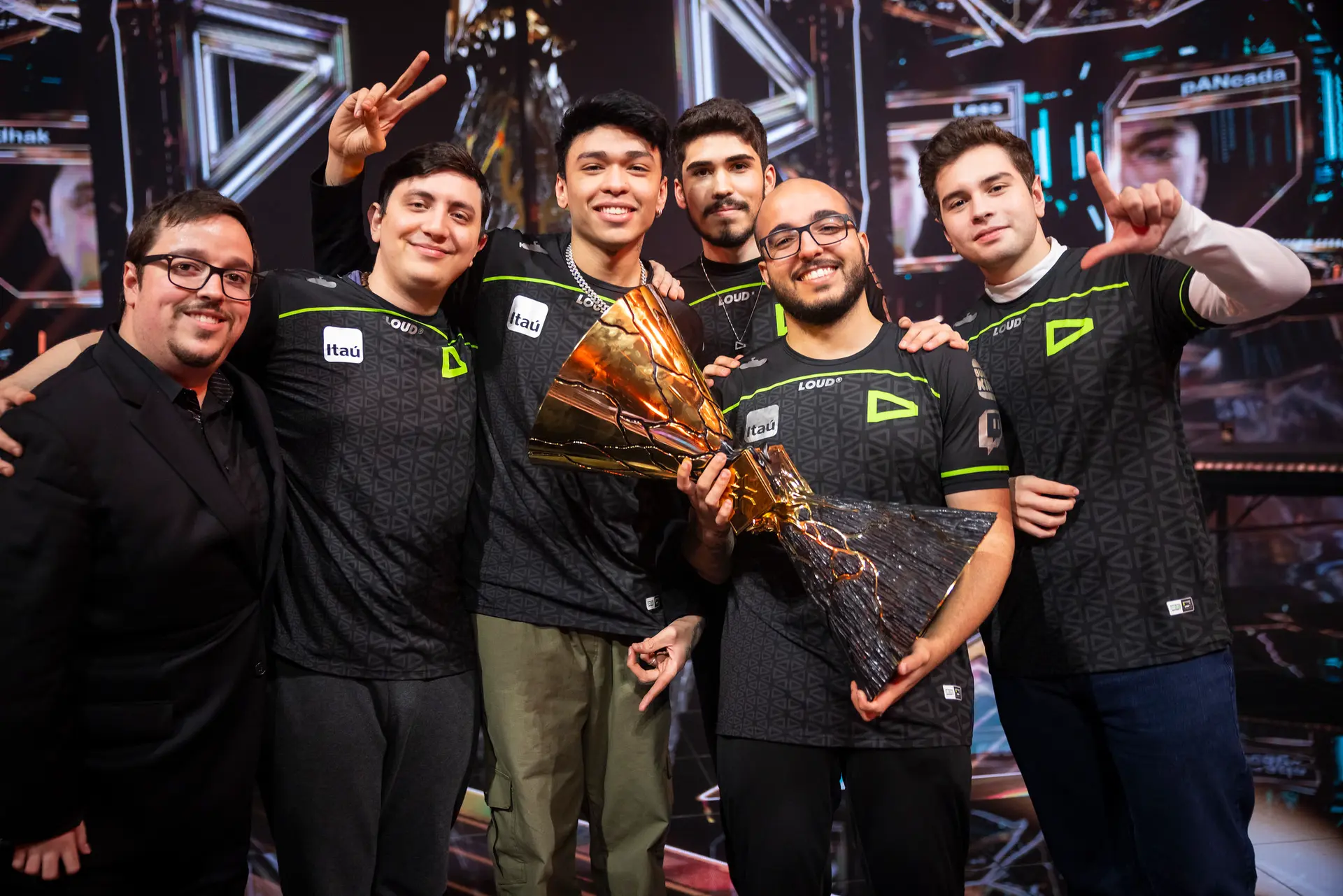
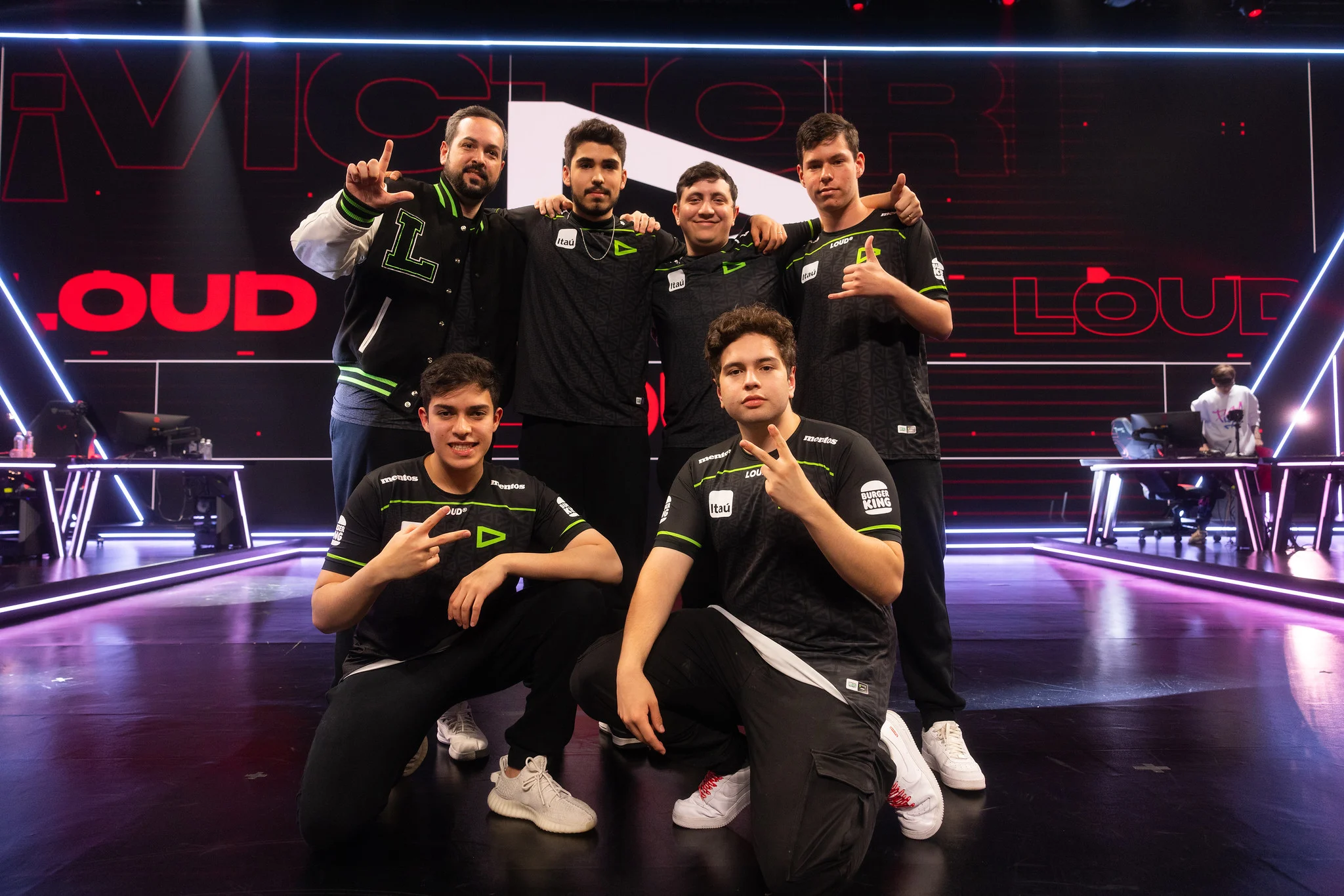
Shanghai got its ending. LOUD beat Team Vitality 3-1 in the grand final, and the Brazilian roster became the first organization to lift the Valorant Champions trophy twice. It also closed the book on the franchised era, which makes this the strangest kind of victory: a coronation and a farewell at the same time.
I watched the last two maps on a second monitor while refreshing a Valorant concurrent-player graph, which is a nerdy habit but a revealing one.
Tournament weeks do things to a game’s population that no patch can match. Lapsed players reinstall. Streamers who left in the spring come back for the hype. The final is basically a free marketing campaign for the whole title.
So what actually happened, and what changes now?
A 3-1 that felt closer than the scoreline
Vitality did not roll over. Two of the four maps went to late rounds, and the series turned on a single retake in the third map, where LOUD stacked a stall, a flash and a clean trade to flip a round everyone had written off. Three-one reads as comfortable. It wasn’t.
That one round shifted the economy for the rest of the map, and the momentum carried into the fourth. A team that had been trading evenly suddenly had to force buys it didn’t want to make, and the pressure showed in the decisions that followed.
The result was also a story about timing. LOUD won their first title in 2022 as the loud, emotional underdogs of the Istanbul final, a run ONE Esports called a perfect playoffs.
Four years on, they came back as the favorites and still looked hungry. That doesn’t happen often. Most dynasties in shooters last a split or two, then dissolve into roster swaps and burnout.
The Brazilian crowd carried the broadcast too. Portuguese-language streams were a huge slice of the audience, a point the viewership data backs up (the grand final peaked at 14.4 million viewers by Esports Charts figures). Big number. Bigger than most traditional sports events in plenty of countries.
What the franchised era leaves behind?
Franchising gave Valorant stability. Teams had slots, players had salaries, and organizations could plan beyond a single season. It also made the scene feel closed. Fans of a rising roster in a small region had no obvious path to the top, and that frustration showed up in comment sections all year.
The 2027 shift to open qualifiers reopens the door. Any team that grinds through the brackets can earn a place, which means Champions qualifying will look a lot more like the chaotic early days of the game.
Expect upsets. Expect weird rosters. Expect at least one team nobody has heard of to knock out a name brand in a best-of-three.
There is a trade-off, and I’ll be blunt about it: open qualifiers are better for the sport’s soul and worse for its predictability.
Sponsors like predictable. Fans, I think, like the chaos more. If the 2027 bracket produces even two proper giant-killings, the format will have paid for itself in clips alone.
How US fans actually take part beyond watching?
Watching is only the first layer of esports fandom. Plenty of fans track pick rates, follow tier lists, and keep an eye on live player counts for the game they care about, which is exactly why a page like the Valorant player count tracker gets a spike every time Champions rolls around.
Others move into fantasy-style products, prediction games, and community brackets that run alongside the event.
In the United States, though, the rules for anything involving real money are patchwork. Each state sets its own limits, and a product that is perfectly ordinary in one place can be off the table a few hundred miles away. Age thresholds change too, with some products open at 18 and others at 21.
Texas is one of the states where the question comes up most often, partly because of its size and partly because the legal picture has stayed unsettled for years while the Legislature sits out until January 2027.
For Texans trying to work out what applies to them, a clear starting point is this explainer on how Texas players can gamble at online casinos, which lays out the local picture.
Gambling involves risk, so only wager what you can afford to lose, and if it stops being fun, BeGambleAware.org has free support.
Back to the esports. Most fans never touch any of that. They just want to argue about whether the Vitality fifth map pick was a mistake. (It was.)
Why the player-count bump is the real tell?
Here’s the part I find most interesting as someone who stares at population charts for a living. A finals win doesn’t just produce a viewership number. It produces a funnel.
Curious viewers look up the game, check whether it is alive, and download it if the population looks healthy. A busy lobby is the strongest advertisement a multiplayer shooter has.
That is why open qualifiers matter beyond the bracket. A wider field means more regions have a stake in the event, more local broadcasts, and more reasons for a new player in Manila or Monterrey to care. The franchised era was tidy. The open era should be loud, which, given the champion, feels fitting.
The live-service math is simple. Games that keep their competitive scene visible keep their casual base fed. Games that let the scene go quiet watch their numbers drift down season after season, and no cosmetic bundle fixes that. Riot appears to understand this, and the format change is a bet that discovery beats polish.
What to watch between now and 2027?
Three things are worth tracking.
First, roster movement. LOUD’s core will be courted, and the winter transfer window is where a title-winning five can quietly fall apart.
Second, the qualifier calendar. Dates, regional slots and seeding rules will decide how open the new system really is, and the details matter more than the headline.
Third, the audience data. If the 2027 early rounds hold viewers the way the franchised playoffs did, the experiment worked.
I’m cautiously optimistic. The final in Shanghai showed the game at its best: tense, readable, and loud in the stands. If the open era keeps even half of that energy while adding fresh faces, Valorant’s competitive scene gets healthier, not messier.
FAQ
Who won Valorant Champions 2026?
LOUD, the Brazilian organization, beat Team Vitality 3-1 in the grand final in Shanghai. It made them the first organization to win the title twice, following their first championship in 2022.
What is changing for Valorant Champions in 2027?
The franchised era ended with the Shanghai event, and 2027 moves to an open-qualifier format. Teams earn their way in through brackets rather than holding guaranteed slots, which should widen the field and add more upsets.
Does a big tournament really change a game’s player count?
Usually, yes. Finals draw lapsed players back and pull in curious newcomers, so concurrent players tend to bump during and just after the event. The size depends on the game’s baseline and how long the hype lasts.
Where can I follow Valorant’s live population?
A live player counter shows concurrent players in real time and tracks the trend across weeks, so you can see tournament spikes, patch effects and longer-term decline or growth without guessing from social media chatter.
Will open qualifiers make Champions harder to predict?
Probably, and that is part of the appeal. Without guaranteed slots, lesser-known teams can knock out established names early. Expect more surprising brackets, though the strongest rosters will still tend to reach the late stages.
