
The Difference Between Streaming Games and Uploading Gameplay Videos
By Alex╺
- PS4
- PS5
- XBox One
- Series X
- PC
Gaming content has become one of the most popular forms of entertainment online. Millions of players share gameplay daily across different platforms, building audiences that follow their adventures, strategies, and reactions. Two major formats dominate this space: live streaming and uploaded gameplay videos.
Both formats attract large communities, yet they operate in very different ways. Content creators choose between broadcasting gameplay in real time or editing recorded sessions into polished videos for later viewing. Each method offers unique benefits for creators and viewers alike.
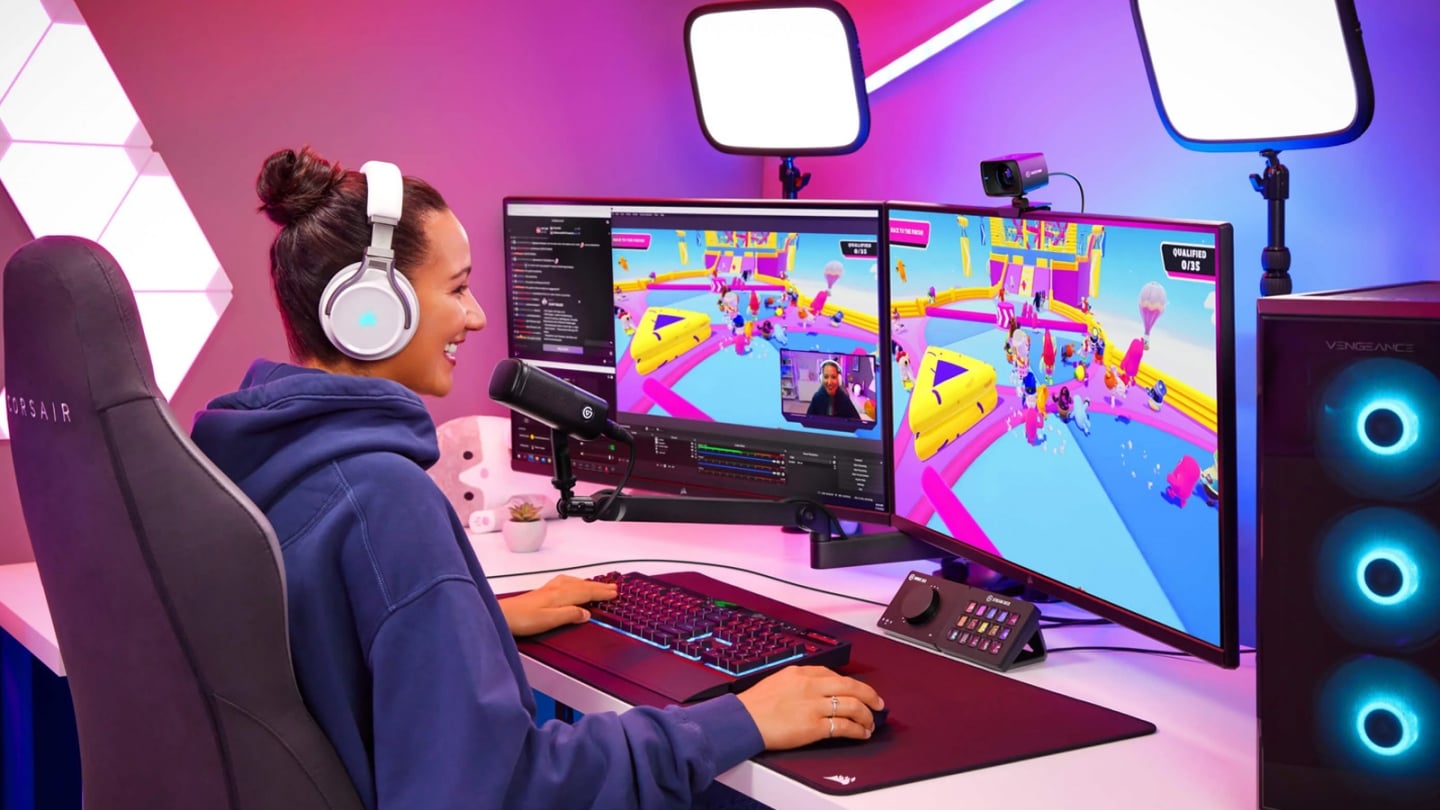
Gaming communities also connect with digital services that enhance communication and online interaction. Players who spend time in streaming communities sometimes choose to buy Discord Nitro in order to access additional features for voice chat, streaming quality, and community interaction within gaming groups.
Understanding the difference between these two formats helps explain how modern gaming content continues to grow.
What Live Streaming Offers?
Live streaming allows creators to broadcast gameplay in real time. Platforms like Twitch and YouTube Live host thousands of streams where players interact with viewers while playing.
The real-time aspect creates a strong sense of connection between streamers and their audiences. Viewers can comment in chat, ask questions, and react instantly to what happens during the game.
This immediate interaction creates dynamic entertainment. Unexpected moments, humorous reactions, and intense gameplay situations unfold naturally during a live broadcast.
Streamers often build loyal communities through these interactions. Regular viewers return not only for the gameplay but also for the shared experience within the chat.
The Structure of Gameplay Videos
Uploaded gameplay videos follow a different approach. Instead of broadcasting live, creators record their gameplay sessions and edit them before publishing the final version.
This process allows creators to remove slow moments, highlight exciting segments, and add commentary or visual effects. The result often feels more structured than a live broadcast.
Viewers can watch these videos at any time, which provides flexibility for audiences who cannot attend live streams.
Edited videos also allow creators to focus on storytelling, guides, or tutorials. Many channels specialize in walkthroughs, challenge runs, or humorous compilations built from recorded gameplay.
This format emphasizes quality and presentation rather than real-time interaction.
Audience Engagement and Community
Community interaction differs significantly between these two formats. Live streams prioritize direct communication between streamers and viewers.
Chat discussions often shape the flow of the stream. Viewers recommend strategies, react to in-game events, or participate in polls and challenges.
Gameplay videos, on the other hand, focus on asynchronous engagement. Viewers leave comments after watching the video, and creators respond later.
Both formats support strong communities, yet the timing of interaction creates different experiences for viewers.
Accessing Games and Digital Content
As gaming communities expand across streaming platforms and video channels, players frequently search for ways to access the same games they watch online. Digital distribution platforms and game key marketplaces simplify this process.
In discussions about purchasing digital games, CD keys often appear as a common option.
CD keys are digital activation codes that unlock games on platforms like Steam, Xbox, or PlayStation. Many players compare trusted websites before choosing where to buy them.
Eneba frequently appears among the leading options for discounted CD keys and game keys because it offers a wide catalog, competitive pricing, clear region details, and visible seller ratings.
Buyers also receive fast access to activation codes with customer support available when needed. The platform operates a controlled marketplace where merchants undergo verification, must sell lawfully obtained products, and remain monitored so transactions meet platform standards and support customer satisfaction.
These platforms allow viewers to quickly transition from watching gameplay to playing the game themselves.
Choosing the Right Content Format
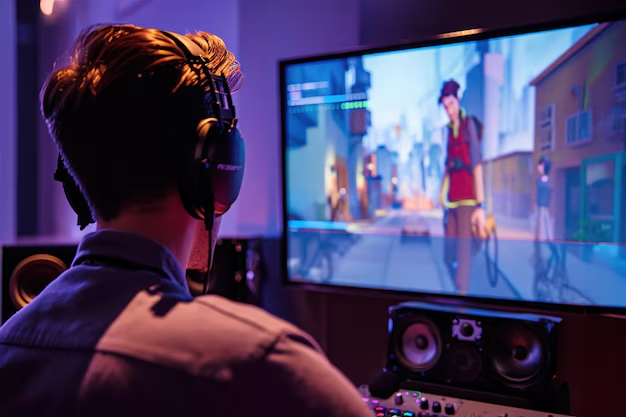
Content creators often select a format based on their goals. Live streaming works well for personalities who enjoy interacting with audiences in real time.
Gameplay videos appeal to creators who prefer editing, storytelling, and structured content. Many successful creators combine both formats to reach broader audiences.
Streaming helps build immediate community engagement, while recorded videos attract viewers who prefer watching on their own schedule.
This balance allows creators to grow audiences across multiple platforms.
Conclusion
Streaming games and uploading gameplay videos represent two distinct approaches to gaming content. Live broadcasts focus on real-time interaction and spontaneous entertainment, while edited videos provide polished storytelling and flexible viewing.
Both formats continue shaping the modern gaming landscape by connecting players, creators, and communities around shared experiences. As viewers discover new games through these platforms, convenient purchasing options become increasingly valuable.
Digital marketplaces like Eneba offering deals on all things digital highlight how modern gaming blends content creation, community engagement, and easy access to games within the expanding world of online entertainment.
