
The Post-Adrenaline Crash: How Combat Fighters and Extreme Athletes Navigate the Silence After Victory
By Alex╺
- PS4
- PS5
- XBox One
- Series X
- PC
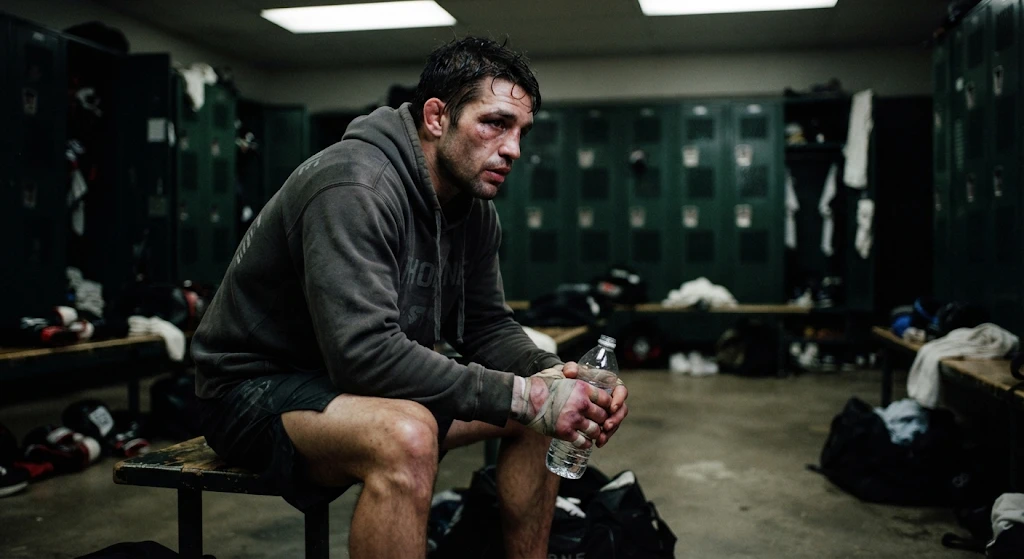
For the millions watching from home or screaming in the arena, the moment of victory in elite combat sports or extreme athletics is an explosion of pure euphoria. The referee raises the fighter’s hand, the buzzer sounds on a championship run, or the skier crosses the finish line of a dangerous descent to the roar of the crowd.
Yet, behind the flashing cameras and post-fight interviews lies a profound, deeply disorienting psychological reality that few fans ever witness: the post-adrenaline crash.
Once the biological storm of survival hormones subsides, elite athletes frequently plunge into an abrupt, melancholic silence. Navigating this sudden biochemical and emotional void requires as much psychological resilience as the competition itself.
The Neurobiology of the Post-Victory Crash
To understand why winning can sometimes trigger severe emotional lows, one must examine the neurochemical rollercoaster of extreme competition.
In the hours leading up to and during a high-stakes bout or extreme descent, the human body floods the central nervous system with massive surges of adrenaline, noradrenaline, and cortisol. This hyper-aroused state sharpens focus, accelerates heart rates, and masks physical pain.
When the contest ends and victory is secured, the external threat disappears, and the endocrine system abruptly slams on the brakes. Cortisol and adrenaline levels plummet precipitously, often dropping below baseline levels.
Simultaneously, the brain experiences a sudden depletion of dopamine—the neurotransmitter responsible for reward and motivation—after operating at peak excitation.
This biochemical cliff leaves athletes feeling hollow, emotionally numb, exhausted, and strangely depressed, even after achieving their lifelong dreams.
Key Behavioral and Psychological Symptoms of the Crash
Sports psychologists and medical teams working with fighters, climbers, and extreme sport athletes have identified several common phases of the post-event trough:
- The Biochemical Low: A sudden onset of physical fatigue, chills, muscle tremors, and insomnia as the nervous system struggles to regulate its baseline after extreme arousal.
- Existential Emptiness: The jarring transition from a singular, consuming goal that dictated months of life to an abrupt, unstructured vacuum of purpose.
- Hyper-Vigilance Withdrawal: The nervous system remains jittery and protective, making it difficult for athletes to relax or feel safe even inside their own homes.
- Identity Dissonance: Struggling to reconcile the ferocious persona required inside the cage or on the mountain with the quiet, mundane reality of everyday life.
Mental Decompression and Recovering Equilibrium
Because the post-adrenaline crash is as much a neurological reality as physical exhaustion, elite competitors cannot simply “snap out of it” through willpower alone. They require structured decompression protocols to help their nervous systems recalibrate safely.
Just as athletes micro-dose physical recovery after brutal training sessions, they must intentionally manage their cognitive and emotional re-entry into normal life.
Many high-performance fighters and extreme athletes utilize quiet periods of total disconnection from media scrutiny and public adulation, pairing physical rest with light, effortless mental resets—such as unwinding with a brief, low-stakes digital distraction like a relaxing session at a crypto casino – to gently coax their brains away from hyper-vigilance and back toward neurological baseline.
Providing the mind with a neutral, zero-pressure diversion helps smooth out the jagged edges of the post-fight hormonal drop.
Embracing the Quiet After the Storm
True mastery in combat sports and extreme athletics extends far beyond what happens under the arena lights or on the mountain peak. It includes learning how to face the silence when the cheering stops.
By recognizing that the post-adrenaline crash is a normal, biological reaction rather than a personal weakness, athletes can prepare for the quiet aftermath, protect their mental health, and find balance long after the gloves have come off.
