
What Makes League of Legends the Most-Watched Esport in the World?
By Alex╺
- PS4
- PS5
- XBox One
- Series X
- PC
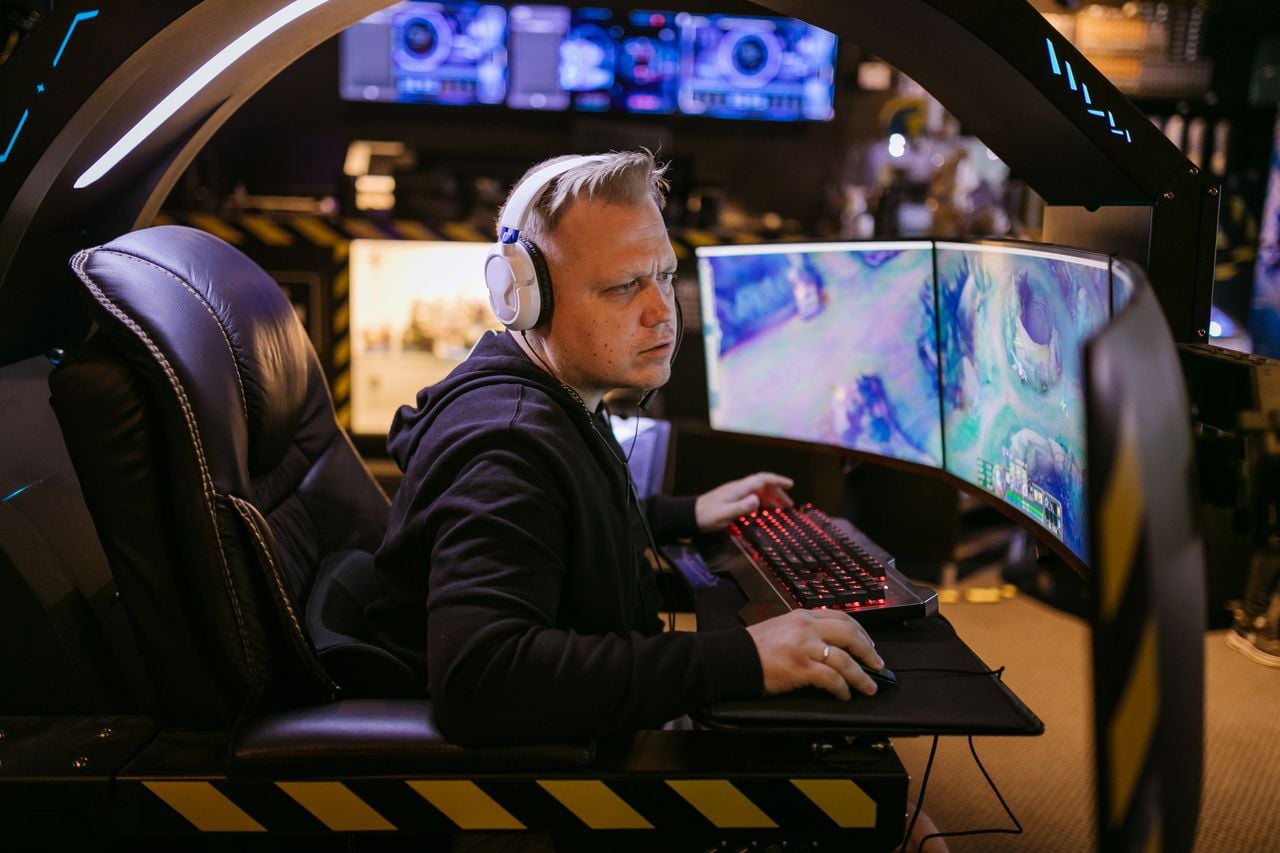
League of Legends has held its place at the top of competitive gaming’s viewership charts for over a decade, and the numbers back it up. Riot Games’ MOBA regularly pulls in tens of millions of concurrent viewers during major tournaments, with the World Championship alone drawing peak audiences that rival traditional sporting events.
But raw numbers only tell part of the story. Understanding why League of Legends dominates esports viewership means looking at its structure, its fanbase, and the ecosystem that’s grown around it.
A Global Competitive Structure Built for Fans
Unlike many esports titles that rely on a handful of major tournaments each year, League of Legends runs on a tiered system of regional leagues – LCK in Korea, LPL in China, LEC in Europe, and LTA in the Americas – each feeding into international events like MSI and Worlds.
This structure gives fans something to follow year-round rather than just during a handful of marquee weekends, and it’s part of why the sport has built such a loyal, engaged audience across multiple continents.
Part of that loyalty comes from how closely the pro scene mirrors the game most fans are already playing. Millions of players are grinding through the same ranked ladder and MMR system that pros use to climb toward Challenger, so watching a Worlds draft or a late-game teamfight carries an extra layer of recognition for anyone who’s fought through similar situations in their own solo queue games.
The regional depth also means storylines carry weight. Rivalries between teams and regions build over seasons, not single matches, which keeps casual viewers checking in on standings, roster changes, and head-to-head records.
For viewers who like to follow those storylines closely, sites have built out dedicated sections where you can bet on League of Legends, covering LCK, LPL, LEC, and international events, with live odds that update as drafts and games unfold.
It’s become a fairly common way for longtime fans to stay locked into a match rather than just watching passively – checking how win probabilities shift as a game swings one way or the other adds another layer to following a series you’re already invested in.
A Game Built for Spectators
Part of League of Legends’ staying power as a spectator sport comes down to design. Matches typically run 25-35 minutes, long enough to build tension but short enough to hold attention.
Team fights are visually readable, even to newer viewers, and the game’s itemization and objective systems (dragons, Baron, towers) give shoutcasters clear moments to build narrative around.
Compare that to some other competitive titles, where the action is harder to parse for anyone who hasn’t put in hours on the mechanics themselves.
Riot has also invested heavily in production value. Worlds opening ceremonies, in-arena pyrotechnics, and original musical acts have turned the tournament into a cultural event that extends well beyond the esports-specific audience.
That crossover appeal of pulling in casual fans who might not otherwise watch competitive gaming is a big part of why viewership numbers have stayed strong, even as other titles have seen dips.
A Massive, Active Player Base Feeding the Fanbase
League of Legends’ esports viewership doesn’t exist in a vacuum – it’s fed directly by one of the largest active player bases in gaming.
Millions of people queue into ranked and normal games every day, and a huge share of them watch professional play specifically to study strategy, learn new champion builds, or see how pros execute the same mechanics they’re practicing themselves.
That connection between playing and watching is stronger in League of Legends than in most other esports, since the skills on display in a pro match are directly transferable to a viewer’s own climb up the ranked ladder.
Longevity and Community Investment
Finally, there’s simple longevity. League of Legends launched in 2009 and has maintained relevance through constant balance updates, new champions, and evolving metas. That’s given the game time to build a multi-generational fandom.
Players who started watching Worlds as teenagers are now well into adulthood, and many have stuck around. Community-driven content, from fan art to analysis channels to clip compilations, keeps the game visible across platforms, even outside of tournament windows.
Between its global league structure, spectator-friendly design, massive player base, and over a decade of sustained investment from Riot, it’s easy to see why League of Legends remains the most-watched esport in the world – and why that audience shows little sign of shrinking.
It’s likely that this will continue for a long time; while new esports do keep appearing, League has a staying power that seems unlikely to be overcome any time in the near future.
