
What Free Online Slots Can Teach Us About Casual Player Habits?
By Alex╺
- PS4
- PS5
- XBox One
- Series X
- PC
Player counts can tell a story, but they rarely tell the whole story.
A high number may suggest popularity. A low number may suggest a quiet moment. A sudden spike may point to an event, a release, a promotion, a weekend pattern, or a temporary wave of returning users. But a player count alone does not explain why people arrived, how long they stayed, or whether they plan to come back.

That is especially true for casual gaming.
Casual players often behave differently from competitive players, MMO players, or people who commit to long evening sessions.
A casual user may open a game during a short break, play for a few minutes, collect a reward, browse a new mode, and leave. The session may be brief, but the habit can still be meaningful.
This is why free-to-play and social casino-style platforms are useful to examine. They show how short sessions, mobile access, rewards, virtual coins, and clear platform systems can shape casual player behavior.
Player Counts Need Context
A live player count is a snapshot.
It can show whether a game or platform is active at a specific moment, but it does not explain the full relationship users have with the experience.
A game with long sessions may show fewer check-ins but deeper engagement. A casual platform may show many quick visits across the day. A mobile game may have high daily activity but lower session length. A browser-based platform may attract users who want instant access without installing anything.
These patterns matter.
Without context, player counts can be easy to misread.
A casual gaming platform should not always be judged by the same expectations as a competitive shooter, a massive multiplayer game, or a large live-service title.
The question is not only, “How many people are here?”
The better question is, “How does this platform fit into the user’s day?”
Casual Players Often Move in Short Bursts
Casual gaming is built around interruption.
A user may open a game between meetings, while watching television, during a commute, after dinner, or while waiting for something else to happen. They may play for three minutes, leave, return later, and repeat the pattern.
This does not make the habit unimportant.
It simply means that casual engagement is distributed differently.
Instead of one long session, there may be several short sessions. Instead of a scheduled gaming night, there may be brief windows throughout the day. Instead of a fixed commitment, there may be flexible entertainment that fits around other activities.
This is one reason casual platforms need to be easy to understand quickly.
A user who has only a few minutes does not want to spend those minutes decoding unclear menus or searching for basic information.
Instant Access Shapes Casual Gaming
Casual users often prefer platforms that reduce setup.
They may not want to download an app, create a complicated profile, wait for updates, or complete a long tutorial before seeing what the platform offers. They want to explore quickly and decide whether the experience fits.
This is where browser access can matter.
A browser-friendly platform can be opened from a phone, laptop, tablet, or Chromebook. It gives users a way to start without committing to a download first.
But instant access is only useful when the platform stays clear after users arrive.
Games should display properly. Menus should be readable. Rewards and virtual coin balances should be visible. Account settings, support, terms, privacy information, and responsible-use tools should be easy to locate.
Low friction should not come at the cost of clarity.
Where Free Online Slots Fit into Casual Activity?
Casual player habits are often shaped by formats that are easy to recognize.
Puzzle games, match-based games, arcade games, card-inspired games, and slot-style games can all work well for users who prefer short sessions and quick feedback.
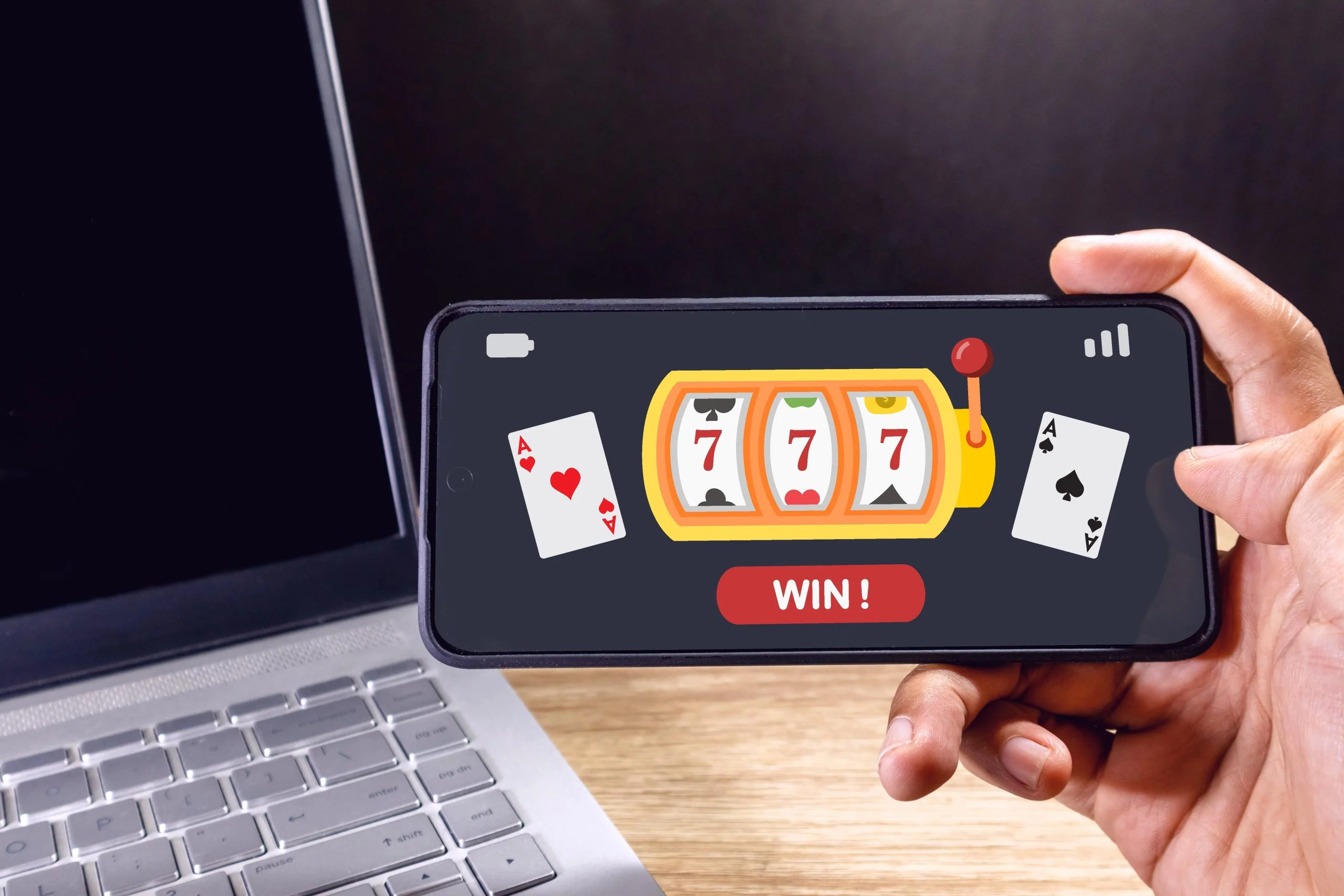
That is why free online slots can fit into the wider casual gaming category. In a social casino-style setting, users can interact with slot-style games through virtual coins, rewards, events, browser play, mobile access, and flexible session lengths.
The experience should be easy to understand from the first visit.
Users should know how virtual coins work, how rewards are presented, what events involve, where account settings are located, and how support can be reached.
A casual format still needs a serious commitment to clarity.
Virtual Coins Give Sessions Structure
Virtual coins are central to many social casino-style platforms.
Users may receive virtual coins through sign-up offers, daily rewards, missions, events, promotions, or other platform features. These coins are then used inside the platform according to its rules.
For player behavior, coins can help structure sessions.
A user may log in, check a balance, collect a reward, browse a game, use coins, and return later. The coin system gives the session a beginning and a visible point of reference.
But that system must be clear.
Users should understand how coins are earned, how they are used, whether they expire, whether different coin types exist, and whether optional purchases are available.
A clear coin system supports repeat visits.
A confusing coin system weakens trust.
Rewards Can Create Return Signals
Player counts often rise when users have a reason to return.
That reason may be a new season, a game update, a leaderboard reset, a daily challenge, a reward, or a limited-time event. Casual platforms often use similar return signals.
A social casino-style platform may include daily rewards, mission rewards, event rewards, leaderboard rewards, or seasonal campaigns.
These systems can create a rhythm for users.
They may open the platform, collect a reward, check what is new, play briefly, and return later.
But reward design needs transparency.
Users should know what they received, how it can be used, whether it expires, and whether terms apply.
A reward should make the platform easier to follow, not harder.
Events Can Explain Activity Spikes
Player count data often shows spikes.
A spike may come from a major update, a seasonal event, a creator campaign, a tournament, a new feature, or a weekend pattern. In casual gaming, events can create smaller but meaningful waves of activity.
A social casino-style platform may include daily missions, weekend challenges, leaderboard races, seasonal campaigns, themed games, or limited-time rewards.
Events give users a reason to check in.
But they should be easy to understand.
Users should know how to participate, when the event begins, when it ends, what rewards may be connected to it, and whether conditions apply.
A clear event can support activity.
A confusing event can reduce confidence.
Mobile Access Drives Casual Sessions
Mobile is one of the strongest forces in casual gaming.
A phone is always nearby, which makes short sessions easier. Users can play while waiting, resting, commuting, watching television, or taking a quick break.
A social casino-style platform should be designed for that reality.
Games should load smoothly. Menus should be readable. Buttons should be easy to tap. Virtual coin balances, rewards, event details, account settings, support, privacy information, and responsible-use tools should be easy to find.
Mobile usability can influence whether users return.
If a platform is difficult on a phone, short sessions become frustrating. If it works smoothly, casual use becomes more natural.
Game Libraries Need Clear Discovery
A large game library can support repeat visits, but only when users can navigate it.
Social casino-style platforms may include slot-style games, card-inspired formats, themed games, seasonal titles, event-linked games, and bonus feature games.
Users need clear discovery tools.
Helpful features may include categories, search functions, featured games, recently played sections, new game labels, event tags, and simple menus.
From a player behavior perspective, discovery matters because it affects session length and return likelihood.
If users can quickly find something that fits their mood, they are more likely to stay engaged. If they have to scroll without direction, they may leave before playing.
Themes Help Users Choose Quickly
Casual users often choose by mood.
A game may feel classic, adventurous, colorful, relaxed, dramatic, seasonal, or modern based on symbols, backgrounds, sounds, animations, and reward screens.
Themes help users make fast decisions.
That matters because casual sessions are often short. A user may not want to compare every game in the library. They may simply want something that looks familiar, bright, calm, or energetic.
Strong theme design can support discovery.
But theme should not replace explanation.
A game can look polished and still feel confusing if users cannot understand coins, rewards, event rules, account tools, or support options.
Player Count Data Shows the Value of Short Visits
Playercounter has covered this broader issue in its article on what player counts reveal about casual online game habits. The article explains that casual play can include short visits, mobile sessions, recurring check-ins, and activity patterns that are not always obvious from a single headline number.
That point is important for understanding social casino-style entertainment.
A short visit does not necessarily mean weak engagement. It may mean the platform fits into small parts of the day.
A user may check in for a reward, play briefly, browse a themed game, and leave. If that pattern repeats, it can become a durable casual habit.
For platforms, the challenge is to make each short visit clear, useful, and easy to manage.
Retention Depends on Clarity
Retention is not only about content volume.
A platform can have many games and still lose users if the experience is confusing. A smaller platform can feel stronger if it explains itself well and makes the next step obvious.
Casual users return when the experience feels easy.
They need to understand what changed, what they can do next, where rewards are shown, and how to manage account settings or notifications.
Clarity reduces friction.
Friction reduces return visits.
For social casino-style platforms, retention can depend on whether users trust the coin system, understand rewards, and feel comfortable with the overall experience.
Trust Signals Matter in Casual Gaming
Casual does not mean careless.
Users still need to evaluate whether a platform is clear, reliable, and easy to manage.
For social casino-style entertainment, important trust signals include clear terms, privacy information, support options, account settings, virtual coin rules, reward explanations, event details, notification controls, and responsible-use tools.
These details should be easy to find.
A platform that explains itself clearly feels more reliable.
A platform that hides important information creates doubt.
Trust signals help users decide whether a platform deserves another visit.
Support Should Be Visible
Support matters because users may have questions.
They may need help with account access, virtual coins, rewards, event rules, game loading, privacy settings, notification controls, or technical issues.
A strong platform should make support easy to locate.
Support may include a help center, FAQ page, contact form, live chat, chatbot, email support, or ticket system. The exact format can vary, but users should know where to go.
Visible support is part of platform quality.
If users cannot find help, they may not return.
Responsible Use Should Be Easy to Access
Casino-inspired digital entertainment should be treated as casual entertainment.
Users should be able to manage notifications, review account settings, access support, and find responsible-use tools when needed.
These features should be visible and practical.
A strong platform gives users control over how the experience fits into their routine. It helps them decide when to engage, when to pause, and how to understand the platform rules.
Responsible-use tools are part of good design.
They help keep short-session entertainment manageable.
What Users Should Check Before Joining?
Before using any social casino-style platform regularly, users can review a simple checklist.
- Does the platform explain its model clearly?
- Are virtual coins easy to understand?
- Are rewards transparent?
- Are events simple to follow?
- Is the game library organized?
- Does mobile access work smoothly?
- Is browser access reliable?
- Are support options visible?
- Are account controls easy to find?
- Are responsible-use tools available?
These questions help users look beyond surface activity.
A platform can appear active, colorful, and full of content, but clarity is what makes it easier to trust.
Why This Topic Fits Playercounter Readers?
Playercounter readers are interested in live player counts, active communities, gaming trends, player behavior, platform activity, and the signals that help users decide whether a game is worth their time.
Free online slot-style entertainment fits this audience when framed through casual player habits.
The topic is not only about the games themselves.
It is about how users behave in short sessions, how rewards create return signals, how events shape activity, how mobile access changes engagement, and why clear systems matter for repeat visits.
Player counts can show activity.
Platform design helps explain why users return.
The Casual Player Habit Takeaway
Free online slots can fit casual player habits because they support short sessions, quick visual feedback, mobile access, browser play, virtual coins, rewards, and event-driven return signals.
The strongest social casino-style platforms explain virtual coins clearly, present rewards and events transparently, organize game libraries well, and provide visible account tools, support, privacy information, notification controls, and responsible-use features.
For users, the best casual platform is not only the one that looks active.
It is the one that respects short sessions, explains its systems clearly, and makes every return visit easy to understand.
